
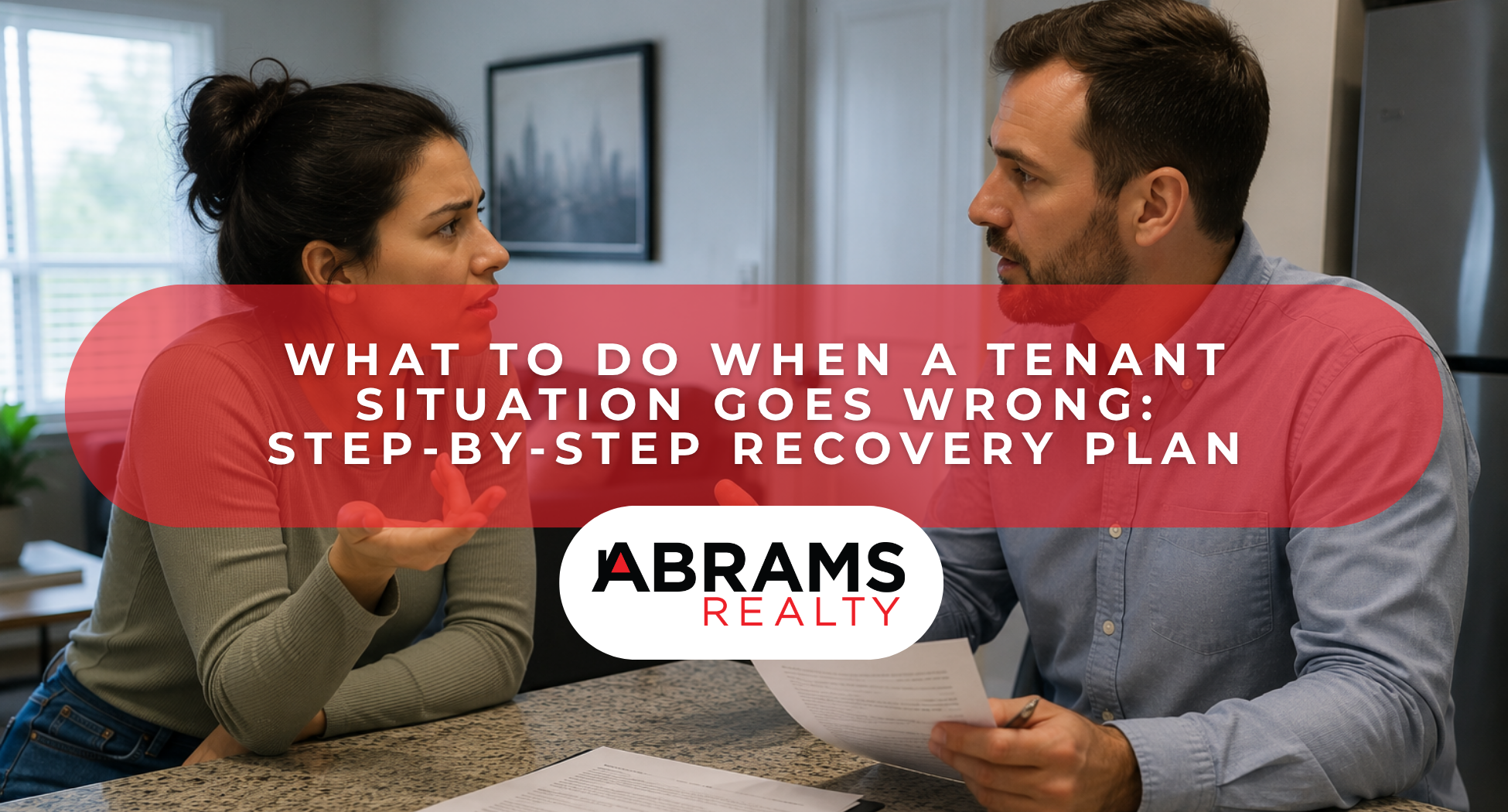
“Your tenant just texted, ‘We need to talk,’ and suddenly, your peaceful morning coffee tastes a little more expensive.”
Every landlord eventually faces that one moment when a simple tenant’s complaint turns into something bigger, missed rent, repeated excuses, noise complaints, or a lease issue that refuses to stay small.
Owning a rental property often feels like walking a tightrope between protecting your investment and preserving a professional relationship, and when things go wrong, knowing your next move matters more than your first reaction.
The good news? A difficult tenant situation does not have to spiral into chaos.
Sometimes, the difference between a costly mistake and a smart recovery plan comes down to what you do next, and that is exactly where this roadmap begins.
When a Rental Property Problem Turns Into a Bigger Issue
Even a stable rental property can hit turbulence. A tenant fails to pay rent, ignores property rules, or causes tension with other tenants. The first step is simple: remain calm.
Before reacting emotionally, document everything. Your response during the first few days often shapes the outcome of the entire landlord-tenant issue.
Is It a Minor Issue or a Serious Lease Violation?
Not every problem deserves the same response. A minor issue, such as occasional noise, may require a conversation, while repeated lease violations or illegal activities require immediate action.
Watch for red flags such as:
Repeated late payments
Unauthorized occupants
Ongoing noise complaints
Damage beyond normal wear
Violations of lease agreements
Why Clear Communication Should Always Come First
Before escalating a problem, prioritize clear communication. Many tenant disputes begin with assumptions, frustration, or misunderstandings.
A respectful but direct conversation often resolves unreasonable requests and improves tenant satisfaction. When you communicate clearly, you reduce conflict and show professionalism.
Review Your Lease Agreements Before Taking Action
Your lease agreements should always guide your response. If a tenant disputes expectations, refer back to the written lease terms before making decisions.
Review sections covering:
Rent payments and the due date
Maintenance expectations
Guest policies
Noise complaints
Notice requirements
Let the Lease Terms Guide Your Next Move
The lease protects both the property owner and tenant. When problems arise, avoid making emotional exceptions that contradict the agreement.
Strong documentation helps you enforce policies fairly and keeps all parties involved accountable.
Handle Rent Problems Quickly and Professionally
When a tenant stops paying, delays become expensive. Unpaid rent affects your cash flow and puts your investment at risk.
If a tenant struggles to pay rent, act quickly rather than waiting until multiple deadlines are missed. Many landlords wait too long and accidentally create confusion about expectations.
What to Do When Tenants Fail to Pay Rent
If a tenant fails to make rent payments, send reminders immediately after the due date passes. Be clear about the grace period, late fees, and next steps.
Avoid informal arrangements that lack documentation. Accepting partial payments without written clarification can complicate the eviction process later.
Why Written Notice Matters for Unpaid Rent
Whenever payment issues persist, issue a written notice and comply with your local laws.
Keep written records of communication for future reference. Documentation strengthens your position if legal action becomes necessary.
Managing Difficult Tenants Without Escalating Conflict
Handling difficult tenants takes patience and consistency. A problematic tenant may ignore rules, create conflict, or make unreasonable requests.
You can reduce tension by setting boundaries early and responding professionally rather than emotionally.
Handling Problematic Tenant Behavior Professionally
When handling problematic tenants, avoid public arguments or aggressive language. Instead, reinforce expectations using the lease.
Watch for signs of tenants taking advantage, including repeated excuses, delayed payments, or refusal to follow property rules.
How to Resolve Noise Complaints and Disruptive Behavior
Persistent noise complaints affect your entire community. One tenant’s actions can frustrate other tenants and hurt retention.
If disruptive behavior continues:
Address concerns immediately
Investigate fairly
Document complaints
Give proper notice
Follow lease enforcement procedures
Responding to Property Damage and Maintenance Issues
One of the hardest parts of managing property involves determining responsibility for repairs. Scratches on the flooring may be considered normal wear, while broken fixtures often indicate negligence.
Understanding the difference protects your investment and prevents unnecessary disputes.
Understanding Tenant Responsibility vs Normal Wear
A tenant’s responsibility includes keeping the rental unit reasonably clean and avoiding preventable property damage.
Issues such as stained carpets, broken appliances due to misuse, or wall damage usually exceed normal wear and may justify charges.
Security Deposit Deductions Done the Right Way
When a tenant moves out, your security deposit should cover any damage beyond normal wear and tear.
For smoother conversations:
Document damages with photos
Keep receipts for repairs
Explain security deposit deductions
Justify necessary security deposit deductions
Follow legal obligations
When You Need to Begin the Eviction Process
Sometimes recovery requires harder decisions. If repeated violations continue, an eviction notice may become necessary.
While acting too late is uncomfortable, it often costs landlords more money and stress.
Knowing When an Eviction Notice Becomes Necessary
Repeated lease violations, ongoing illegal activities, or failure to pay rent may require formal action.
Always follow:
Proper notice period
State and local laws
Required notice requirements
Proper documentation
Timelines for the eviction process
Why Legal Action Should Be Your Last Resort
You should treat legal action as a last resort, not a first reaction.
Give tenants a reasonable time to comply whenever appropriate, but stay firm when repeated problems threaten the condition of your property.
Prevent Future Tenant Problems Before They Start
The best recovery plan begins before problems happen. Stronger screening reduces future headaches.
A better process helps you prevent issues from recurring.
Better Screening Tenants Means Fewer Problems Later
Effective screening tenants means reviewing rental history, speaking with previous landlords, and conducting credit checks.
Careful screening helps identify problem tenants before move-in and protects long-term stability.
Conduct Routine Inspections to Protect Your Property
You should conduct routine inspections during the rental period to catch concerns early.
Benefits of regular property inspections include:
Catching maintenance issues
Protecting property condition
Preventing expensive repairs
Supporting lease compliance
Reducing future conflicts
Frequently Asked Questions
Q1. Can a property management company help handle a bad tenant?
Yes. A property management company and experienced property manager can help resolve issues with a bad tenant, enforce lease terms, and protect your rental property.
Q2. How can you avoid problems with prospective tenants?
You can reduce risk by screening prospective tenants, conducting regular inspections and periodic inspections, and checking rental history before move-in.
Q3. How much time should landlords give tenants to fix a lease issue?
A reasonable time depends on the violation and local laws, while a rent increase should occur only in accordance with the lease terms and proper notice requirements.
Turn Rental Stress Into Rental Success
At Abrams Realty, we know tenant problems can feel overwhelming, but you do not have to solve them alone.
Whether you need help handling difficult tenants, navigating lease agreements, responding to maintenance concerns, or managing the eviction process, we are here to protect both your investment and your peace of mind.
We believe strong property management is not just about collecting rent. It is about creating stability, preserving relationships, and protecting the future of your rental property.
Let us help you move from uncertainty to confidence, because every property deserves expert care and every landlord deserves a trusted partner by their side.
Other Resources:
Do You Need Renters Insurance? What Virginia Renters Should Know in 2026
Managing Rentals in Flood Zones in Virginia Beach: Tips for Landlords