
Key Takeaways
Virginia landlords and property managers must follow the Virginia Residential Landlord and Tenant Act when addressing tenant disputes.
Thorough documentation is one of the most important tools for resolving tenant issues legally and effectively.
Self-help evictions, lock changes, utility shutoffs, and property removal are generally prohibited under Virginia law.
Consistent communication and proper notice procedures can often resolve problems before legal action becomes necessary.
Understanding Virginia's legal eviction process helps property owners reduce risk and protect their rental investments.
Managing rental properties is rarely without challenges. Even the most experienced property managers and landlords eventually encounter difficult tenants. Whether the issue involves late rent payments, lease violations, property damage, unauthorized occupants, disruptive behavior, or ongoing disputes, handling these situations incorrectly can create significant legal and financial consequences.
For rental property owners throughout Virginia Beach, Chesapeake, Norfolk, Suffolk, Hampton, Richmond, and the rest of Virginia, understanding how to navigate tenant disputes legally is essential. In 2026, Virginia's rental market remains active, but landlord-tenant laws continue to require strict compliance. Property owners who understand their legal rights and responsibilities are better positioned to protect their investments while maintaining professional tenant relationships.
This guide explains how property managers and landlords can legally address difficult tenants in Virginia while minimizing risk and staying compliant with state and federal regulations.

Understanding Virginia Landlord-Tenant Law
The legal foundation of every residential rental relationship in Virginia is the Virginia Residential Landlord and Tenant Act (VRLTA). This legislation outlines landlord and tenant responsibilities regarding lease agreements, maintenance obligations, notices, security deposits, rent collection, and eviction procedures.
Why Legal Compliance Matters
Many landlords create additional problems when they react emotionally to tenant issues. Common mistakes include:
Threatening tenants
Shutting off utilities
Changing locks
Removing tenant belongings
Harassing occupants
Ignoring required notice procedures
Even when a tenant has clearly violated the lease, landlords must follow legal procedures established under Virginia law.
The Lease Agreement Is Critical
A strong lease agreement establishes expectations from the beginning. Important lease provisions should address:
Rent due dates
Late fees
Occupancy limits
Pet policies
Maintenance responsibilities
Parking regulations
Property use restrictions
Clear lease language often prevents misunderstandings before they occur.
Identifying Different Types of Difficult Tenants
Not every tenant problem should be handled the same way. Understanding the issue helps determine the most appropriate response.
Late-Paying Tenants
One of the most common landlord challenges involves chronic late payments. Warning signs include:
Frequent late rent
Partial payments
Missed deadlines
Lack of communication
Addressing these issues early often prevents larger financial problems.
Lease Violators
Common lease violations include:
Unauthorized pets
Unauthorized occupants
Illegal subletting
Smoking violations
Parking violations
Ignoring lease violations can weaken future enforcement efforts.
Property Damage Issues
Property damage may involve:
Neglect
Intentional destruction
Unauthorized renovations
Failure to report maintenance problems
Detailed documentation becomes especially important in these situations.
Disruptive Tenants
Some tenants generate complaints due to:
Excessive noise
Harassment
Criminal activity
Repeated disturbances
Property managers should investigate complaints carefully before taking action.

The Importance of Documentation
Documentation is often the most valuable legal protection available to property managers.
Keep Detailed Records
Maintain organized records including:
Lease agreements
Payment histories
Inspection reports
Maintenance requests
Emails
Text messages
Violation notices
Well-maintained records strengthen a landlord's position if disputes reach court.
Photograph Property Conditions
Visual evidence can be invaluable. Document:
Move-in conditions
Lease violations
Property damage
Unauthorized modifications
Photographs with dates can support claims and reduce disputes.
Maintain Incident Logs
When dealing with ongoing issues, record:
Dates
Times
Conversations
Complaints
Corrective actions
Detailed records demonstrate consistency and professionalism.
Communicating With Difficult Tenants
Many disputes escalate because of poor communication.
Remain Professional
Regardless of circumstances, avoid:
Personal attacks
Threats
Emotional arguments
Aggressive language
Professional communication protects both legal and business interests.
Put Everything in Writing
Written communication creates accountability. Important conversations should be documented through:
Email
Written notices
Certified mail when appropriate
Documentation provides valuable evidence if legal action becomes necessary.
Allow Opportunities for Compliance
Many issues can be resolved voluntarily. Examples include:
Payment plans
Occupancy corrections
Pet removal
Property cleanup
Voluntary compliance is often faster and less expensive than litigation.

Handling Late Rent Legally
Late rent remains one of the most common issues property managers face.
Follow Virginia Notice Requirements
Before pursuing eviction, landlords must comply with notice requirements and legal procedures established by Virginia law.
Property managers should regularly review guidance provided by the Virginia Judicial System to stay informed regarding current court procedures.
Document Payment Arrangements
If accommodations are offered:
Put agreements in writing
Establish clear deadlines
Document tenant acceptance
Verbal agreements often create confusion and misunderstandings.
Apply Policies Consistently
Consistency demonstrates fairness and reduces legal risk. Applying different standards to different tenants can create problems during disputes.
Addressing Lease Violations
Lease violations should be addressed promptly.
Issue Proper Written Notices
Notices should clearly identify:
The violation
Relevant lease provisions
Required corrective actions
Compliance deadlines
Written notices create an official record.
Conduct Follow-Up Inspections
Verify whether violations have been corrected. Examples include:
Unauthorized pets removed
Additional occupants relocated
Property restored
Inspection reports should accompany all follow-up visits.
Maintain Detailed Records
Keep copies of:
Notices
Photographs
Inspection reports
Tenant communications
These records can become important evidence later.
Managing Property Damage Claims
Property damage can significantly affect profitability.
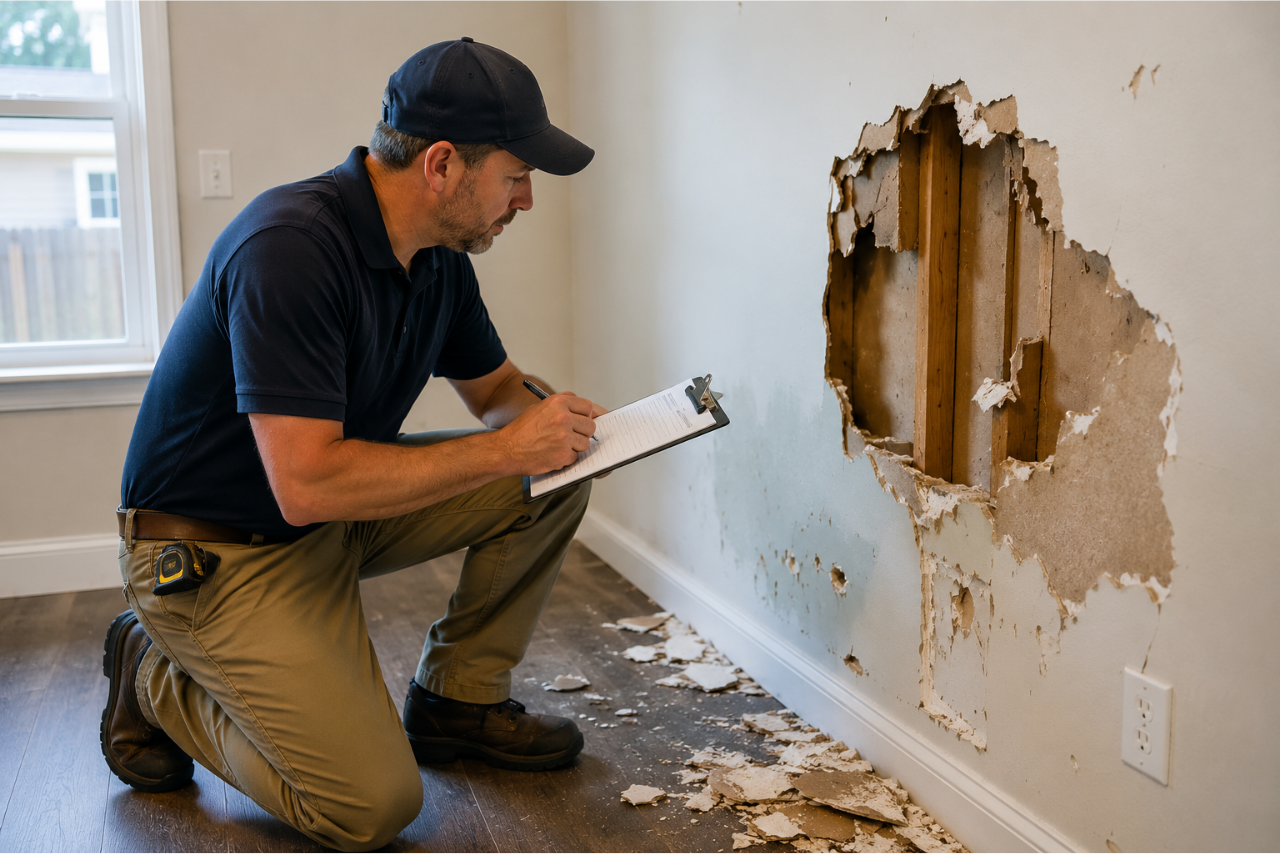
Inspect Immediately
When damage is discovered:
Photograph conditions
Obtain estimates
Document communications
Preserve evidence
Quick action often prevents additional damage.
Understand Wear and Tear
Normal wear and tear differs from tenant-caused damage. Normal wear may include:
Minor carpet wear
Faded paint
Aging fixtures
Damage may include:
Large wall holes
Broken windows
Pet destruction
Unauthorized alterations
Handle Security Deposits Properly
Security deposit deductions must comply with requirements established under the Virginia Residential Landlord and Tenant Act. Improper deductions can lead to disputes and legal challenges.
Dealing With Unauthorized Occupants
Unauthorized residents can create liability concerns and lease violations.
Investigate Carefully
Before taking action:
Review lease provisions
Gather evidence
Confirm occupancy patterns
Avoid making assumptions.
Request Compliance
Many occupancy issues can be resolved through:
Lease amendments
Additional applications
Occupancy adjustments
Voluntary solutions are often preferable.
Document Everything
Evidence may include:
Inspection reports
Photographs
Witness statements
Security records
Strong documentation supports future enforcement efforts.
Fair Housing Considerations
All landlord actions must comply with fair housing laws.
Understand Protected Classes
The U.S. Department of Housing and Urban Development Fair Housing Program provides guidance regarding protected classes and housing discrimination. Enforcement actions should always be based on legitimate lease violations rather than personal characteristics.
Apply Rules Equally
Consistency is one of the strongest protections against discrimination claims. Policies should be enforced uniformly.
Avoid Retaliation
Tenants have legal rights regarding:
Maintenance requests
Housing complaints
Government investigations
Legal proceedings
Retaliatory actions can create substantial liability.

When Eviction Becomes Necessary
Some tenant situations cannot be resolved voluntarily.
Understand Virginia's Eviction Process
Evictions must proceed through the court system. Landlords should remain familiar with procedures published by the Virginia Judicial System.
Prepare Comprehensive Documentation
Important records include:
Lease agreements
Payment histories
Notices
Inspection reports
Photographs
Communication logs
Strong evidence improves outcomes.
Avoid Procedural Errors
Mistakes can result in:
Delays
Additional costs
Case dismissal
Many property owners consult legal professionals when dealing with complex eviction matters.
Special Considerations in Hampton Roads
Property managers throughout Coastal Virginia face unique challenges.
Military Tenant Issues
Virginia Beach, Norfolk, Chesapeake, and Hampton have large military populations. The Servicemembers Civil Relief Act Resource Center provides guidance regarding legal protections available to qualifying service members. Understanding military housing regulations can help avoid costly mistakes.
Storm and Flood Concerns
Many Coastal Virginia properties face weather-related risks. Property managers should understand local flood zones and disaster preparedness resources available through the FEMA Flood Map Service Center.
High Mobility Rates
Military transfers and government employment contribute to frequent tenant turnover throughout Hampton Roads. Strong processes and documentation become even more important in these markets.

Preventing Tenant Problems Before They Start
The best strategy is prevention.
Conduct Thorough Tenant Screening
A quality screening process should include:
Credit reviews
Employment verification
Income verification
Rental history checks
Use Strong Lease Agreements
Clear lease language reduces misunderstandings and disputes.
Perform Routine Inspections
Regular inspections help identify issues before they become significant problems.
Respond Quickly to Maintenance Requests
Prompt maintenance demonstrates professionalism and improves tenant satisfaction.
Consider Professional Property Management
Many owners reduce risk by working with licensed property management professionals. The Virginia Department of Professional and Occupational Regulation provides licensing information for Virginia real estate and property management professionals.
Building a Long-Term Risk Management Strategy
Successful property managers focus on long-term risk reduction rather than simply resolving individual disputes. Developing standardized procedures for:
Tenant screening
Documentation
Communication
Inspections
Lease enforcement
creates consistency and reduces liability. Investing in proper training and legal compliance can save significant time and money over the life of a rental portfolio.
Conclusion
Difficult tenants are an inevitable part of rental property ownership, but handling disputes legally and professionally can protect both your investment and your reputation. Virginia landlords and property managers must balance enforcing lease agreements with complying fully with state landlord-tenant laws and federal housing regulations.
The most successful property owners rely on strong lease agreements, detailed documentation, professional communication, and consistent enforcement of policies. While some disputes can be resolved through cooperation and corrective action, others may require formal legal proceedings.
By understanding Virginia's legal framework and following established procedures, property managers can reduce risk, improve tenant relations, and navigate difficult situations successfully throughout 2026 and beyond.