
Key Takeaways
Full-service property management typically covers marketing, tenant screening, leasing, rent collection, maintenance coordination, inspections, and legal compliance.
Virginia landlords must comply with the Virginia Residential Landlord and Tenant Act, making professional management increasingly valuable in 2026.
Property managers in Hampton Roads often handle unique regional concerns such as military tenants, flood-related maintenance, and coastal property upkeep.
Not all management companies offer the same services, so owners should understand exactly what is included before signing an agreement.
Professional property management can save time, reduce vacancies, improve tenant retention, and help protect long-term property value.
Owning rental property in Hampton Roads can be a rewarding investment, but it also comes with significant responsibilities. From finding qualified tenants and collecting rent to coordinating repairs and navigating Virginia landlord-tenant laws, managing a rental property requires time, organization, and expertise.
Many property owners assume that hiring a property manager simply means having someone collect rent each month. In reality, full-service property management in Hampton Roads typically involves a much broader range of services designed to protect the property, reduce owner stress, and maximize investment performance.
Whether you own a single-family rental in Chesapeake, a waterfront property in Virginia Beach, a duplex in Norfolk, or a growing investment portfolio across Hampton Roads, understanding what is actually included in full-service property management can help you make informed decisions in 2026.
What Is Full-Service Property Management?
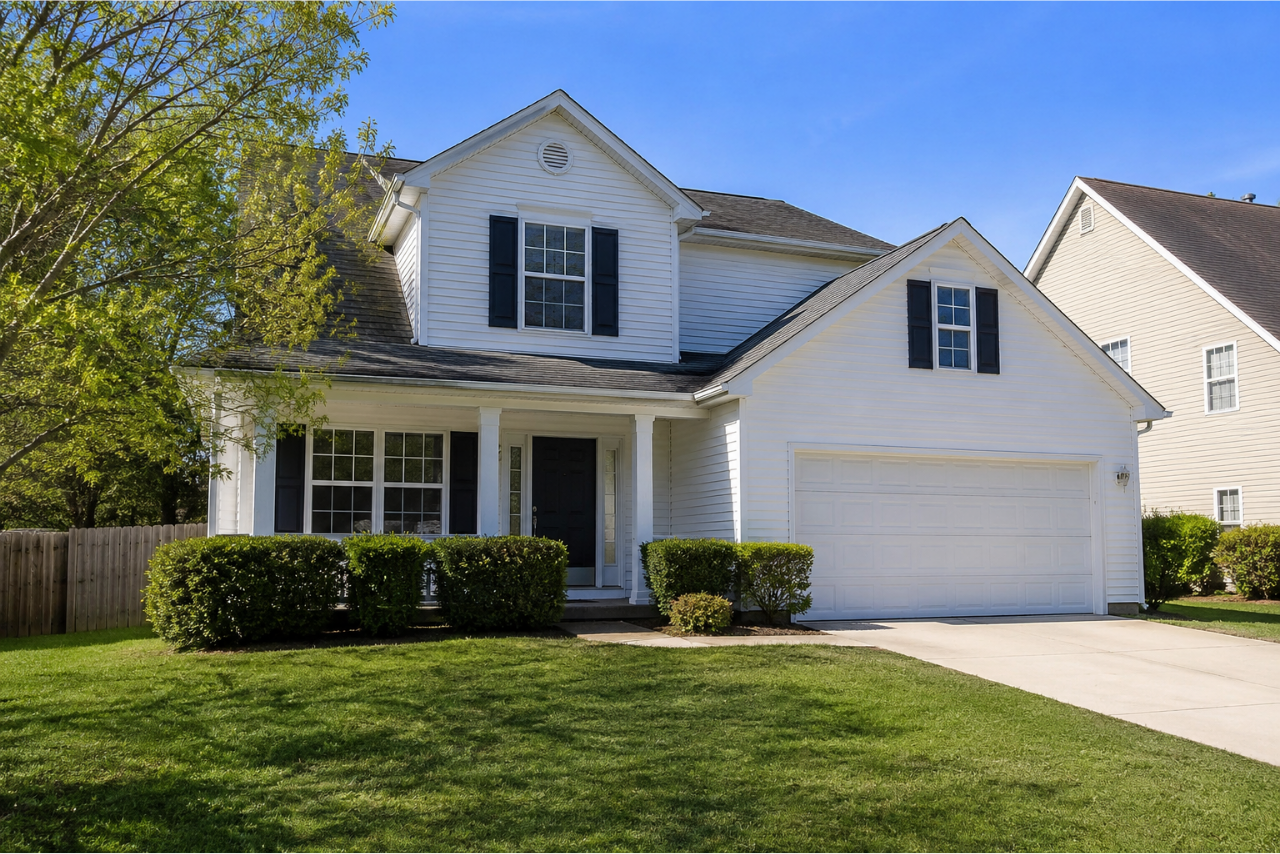
Full-service property management refers to comprehensive oversight of a rental property on behalf of the owner. Instead of handling daily responsibilities personally, landlords hire a management company to manage most or all operational aspects of the rental. Services often begin before a tenant even moves into the property and continue throughout the entire tenancy.
According to the Virginia Department of Professional and Occupational Regulation, property managers involved in leasing and management activities must meet specific licensing requirements under Virginia law.
Why More Hampton Roads Investors Are Using Property Managers
Several factors are driving increased demand for professional management services:
Military relocation activity
Growing rental demand
Remote property ownership
Complex legal requirements
Rising maintenance expectations
Increased competition among rental properties
For many owners, professional management provides both convenience and risk reduction.
Marketing and Advertising Rental Properties
One of the first responsibilities of a full-service property manager is marketing the rental property to prospective tenants.
Professional Property Marketing
Effective marketing includes more than posting a listing online. Most professional property managers provide:
Professional photography
Property descriptions
Rental market analysis
Online advertising
Listing syndication
Showing coordination
Properties with strong marketing often attract more qualified applicants and experience shorter vacancy periods.
Setting Competitive Rental Rates
Pricing a rental property correctly is essential. Property managers evaluate:
Comparable rental properties
Neighborhood demand
Market conditions
Seasonal trends
Property features
The Virginia REALTORS® organization regularly publishes housing market data that helps industry professionals evaluate local market conditions.
Reducing Vacancy Time
Every day a property sits vacant costs the owner money. Professional marketing strategies help reduce vacancy periods while maintaining competitive rental pricing.

Tenant Screening and Selection
Finding the right tenant is one of the most important functions of professional property management. A poorly qualified tenant can lead to:
Late rent payments
Property damage
Lease violations
Eviction proceedings
Application Processing
Most full-service managers handle the entire application process. This often includes reviewing:
Employment history
Income verification
Rental history
Credit reports
Background checks
Fair Housing Compliance
Property managers must comply with federal and state fair housing laws during the screening process. The U.S. Department of Housing and Urban Development provides guidance regarding fair housing requirements that apply to rental housing providers.
Selecting Qualified Tenants
Professional screening helps identify tenants who are more likely to:
Pay rent on time
Maintain the property
Follow lease terms
Stay longer
Strong tenant selection often leads to fewer management problems over time.
Lease Preparation and Move-In Coordination
Once a tenant is approved, the leasing process begins.
Preparing Legally Compliant Leases
Virginia lease agreements must comply with current state regulations. Property managers typically prepare and execute lease agreements while ensuring compliance with applicable laws. The Virginia Legislative Information System provides access to Virginia laws including landlord-tenant regulations.
Security Deposit Management
Property managers usually handle:
Security deposit collection
Documentation
Escrow requirements
Deposit accounting
Virginia landlords must follow specific rules regarding security deposits and tenant notifications.
Move-In Inspections
Most management companies conduct detailed move-in inspections documenting property condition before occupancy.
Inspection reports often include:
Written documentation
Photographs
Maintenance observations
These records become valuable if disputes arise later.

Rent Collection and Financial Management
Rent collection is one of the most visible aspects of property management. However, professional management typically includes much more than simply receiving monthly payments.
Online Rent Collection Systems
Many Hampton Roads management companies now offer:
Online payment portals
Automatic payment options
Electronic statements
Digital recordkeeping
Convenient payment systems often improve collection rates.
Handling Late Payments
Property managers enforce lease provisions regarding:
Late fees
Payment deadlines
Notices
Collection procedures
Consistent enforcement helps maintain professionalism and accountability.
Owner Financial Reporting
Most full-service companies provide regular financial reports. These reports may include:
Income statements
Expense summaries
Maintenance costs
Year-end tax documents
The Internal Revenue Service offers information regarding rental income reporting and tax considerations.
Maintenance Coordination and Repairs
Maintenance management is often one of the biggest reasons owners hire professional property managers.
Routine Maintenance Services
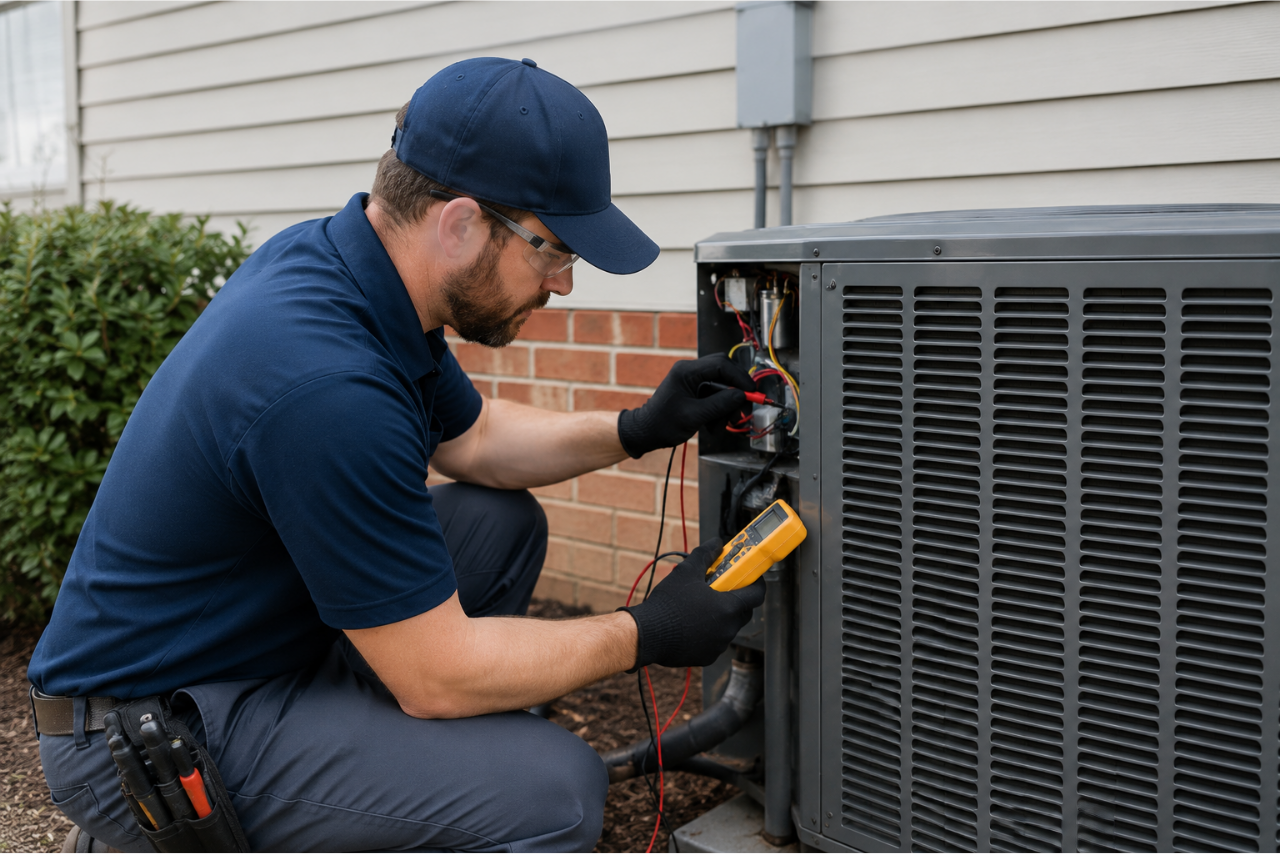
Property managers typically coordinate:
Plumbing repairs
HVAC service
Electrical work
Landscaping
Appliance repairs
General maintenance
Quick response times often improve tenant satisfaction and reduce long-term repair costs.
Vendor Management
Management companies often maintain networks of:
Licensed contractors
Electricians
Plumbers
HVAC technicians
Handymen
This can save owners time while helping ensure work is completed professionally.
Emergency Maintenance Response
Emergencies do not always happen during business hours. Many full-service companies provide emergency response coordination for issues such as:
Water leaks
HVAC failures
Electrical problems
Storm damage
Property Inspections Throughout the Lease
Inspections help protect both owners and tenants.
Routine Property Inspections
Many management companies perform inspections:
During occupancy
At lease renewal
After maintenance work
Prior to move-out
These inspections help identify issues before they become expensive problems.
Monitoring Property Condition
Regular inspections can reveal:
Unauthorized occupants
Lease violations
Maintenance concerns
Safety hazards
Early intervention often reduces long-term costs.
Move-Out Inspections
At the end of the lease, managers typically conduct detailed move-out inspections to assess property condition and determine any applicable security deposit deductions.
Legal Compliance and Risk Management
Virginia landlord-tenant laws continue evolving, making legal compliance increasingly important.
Virginia Residential Landlord and Tenant Act Compliance
Property managers help owners comply with requirements under the Virginia Residential Landlord and Tenant Act.
Compliance responsibilities may include:
Required notices
Security deposit rules
Maintenance obligations
Lease disclosures
Handling Legal Notices
Property managers often prepare and deliver required notices relating to:
Nonpayment
Lease violations
Renewals
Terminations
Reducing Liability Exposure
Professional management can help reduce risk by ensuring proper documentation and consistent procedures.
Special Considerations for Hampton Roads Properties
Hampton Roads presents unique challenges that differ from many inland rental markets.
Military Tenant Management
The region's large military population creates significant rental demand. Property managers frequently work with tenants relocating through:
Naval Station Norfolk
Naval Air Station Oceana
Joint Expeditionary Base Little Creek-Fort Story
Langley Air Force Base
The official Military OneSource platform provides relocation resources frequently used by military families.
Flood Zone Awareness
Many Hampton Roads properties are located near waterways or within flood-prone areas. Property managers may help coordinate:
Storm preparation
Drainage maintenance
Vendor response
Property inspections
The FEMA Flood Map Service Center provides flood zone information relevant to many local rental properties.
Coastal Property Maintenance
Coastal conditions can increase wear on:
Roofing
HVAC systems
Exterior finishes
Decking
Landscaping
Regular maintenance becomes especially important in waterfront and coastal communities.
Lease Renewals and Tenant Retention
Tenant retention is often overlooked but can significantly affect profitability.
Renewal Negotiations
Property managers frequently handle:
Lease renewal offers
Rent adjustments
Market evaluations
Tenant communication
Reducing Turnover Costs
Every tenant turnover creates expenses including:
Cleaning
Repairs
Marketing
Vacancy loss
Retaining quality tenants often improves investment performance.
Market Rent Analysis
Management companies regularly evaluate rental rates to ensure properties remain competitive while maximizing revenue.
What Is Sometimes Not Included?
Not every company defines "full-service" the same way. Owners should carefully review management agreements to understand potential exclusions.
Common Additional Fees
Some services may involve separate charges:
Leasing fees
Lease renewal fees
Eviction coordination
Court appearances
Major project oversight
Capital Improvement Projects
Large renovations and major upgrades are often billed separately from standard management services.
Insurance Responsibilities
Property managers generally coordinate issues but do not replace the owner's responsibility for maintaining appropriate insurance coverage.
How to Evaluate a Property Management Company
Not all management companies provide the same level of service.
Questions Owners Should Ask
Consider asking:
What services are included?
How are maintenance requests handled?
How often are inspections performed?
What technology platforms are available?
How are financial reports delivered?
Review Local Experience
Experience within Hampton Roads can be valuable due to:
Military housing trends
Flood considerations
Coastal maintenance needs
Local rental regulations
Understand Communication Practices
Clear communication remains one of the most important factors in successful property management relationships.
Conclusion
Full-service property management in Hampton Roads involves far more than collecting rent. In 2026, professional management companies often oversee every stage of the rental process, from marketing and tenant screening to maintenance coordination, inspections, lease administration, and legal compliance.
For property owners in Virginia Beach, Chesapeake, Norfolk, Suffolk, Hampton, and surrounding communities, professional management can provide valuable expertise while reducing day-to-day responsibilities. This is especially important in a region influenced by military relocations, coastal weather conditions, flood-related considerations, and evolving landlord-tenant regulations.
Before hiring a property manager, owners should carefully review service agreements and understand exactly what is included. A truly full-service property management company should help protect your investment, improve operational efficiency, support tenant satisfaction, and position your rental property for long-term success in the Hampton Roads market.