
Key Takeaways
Landlord insurance is not legally required in Virginia, but most lenders require it and it is considered essential risk protection.
Coastal Virginia landlords face higher insurance complexity due to flooding, hurricanes, and wind deductibles.
The Virginia Residential Landlord and Tenant Act (VRLTA) allows landlords to require renters insurance and outlines insurance-related rules.
Standard landlord policies do not cover flood damage, making separate flood insurance critical in coastal areas.
Proper coverage in 2026 includes dwelling, liability, loss of rent, and coastal-specific endorsements tailored to Hampton Roads markets.
Owning rental property in Coastal Virginia presents unique opportunities, but it also comes with elevated risks that inland landlords rarely face. From hurricane exposure in Virginia Beach to recurring flooding in Norfolk, landlords must go beyond basic protection and fully understand insurance requirements in 2026.
While Virginia law does not mandate landlord insurance, operating without it in coastal regions is a major financial risk. This guide explains what landlords in Coastal Virginia need to know about insurance requirements, legal considerations, and best practices to stay protected and compliant.
Understanding Landlord Insurance in Virginia
What Is Landlord Insurance?
Landlord insurance, also known as rental property insurance, is designed specifically for non-owner-occupied properties. It protects against property damage, liability claims, and loss of rental income.
Unlike homeowners insurance, landlord insurance accounts for tenant-related risks and income protection. A standard policy typically includes:
Dwelling coverage (structure protection)
Liability coverage (injury or legal claims)
Loss of rental income
Optional add-ons like vandalism or equipment breakdown
For a deeper overview, refer to:
https://www.hippo.com/learn-center/landlord-insurance-virginia
Is Landlord Insurance Required in Virginia (2026)?
Virginia law does not require landlords to carry landlord insurance. However:
Most mortgage lenders require proof of insurance
Property managers and HOAs may require coverage
Operating without insurance exposes landlords to significant liability
Even in 2026, the consensus remains clear: landlord insurance is not legally mandatory, but it is practically essential. (hippo.com)
Virginia Legal Framework for Insurance (VRLTA)
Insurance Rules Under Virginia Law
The Virginia Residential Landlord and Tenant Act (VRLTA) governs landlord-tenant relationships, including insurance provisions.
Official statute:
https://law.lis.virginia.gov/vacode/title55.1/chapter12/section55.1-1206/
Key points landlords must follow:
Landlords can require tenants to carry renters insurance
Landlords may provide insurance and charge tenants for premiums
Total upfront costs (deposit + insurance) cannot exceed two months’ rent
Tenants must be allowed to obtain their own insurance policy
Why This Matters for Landlords
Requiring renters insurance helps:
Reduce disputes over tenant belongings
Limit landlord liability exposure
Create clearer lease expectations
In coastal areas, where storm damage is common, renters insurance becomes even more important to separate landlord and tenant responsibilities.
Coastal Virginia Risk Factors That Impact Insurance
Flooding and Sea-Level Rise
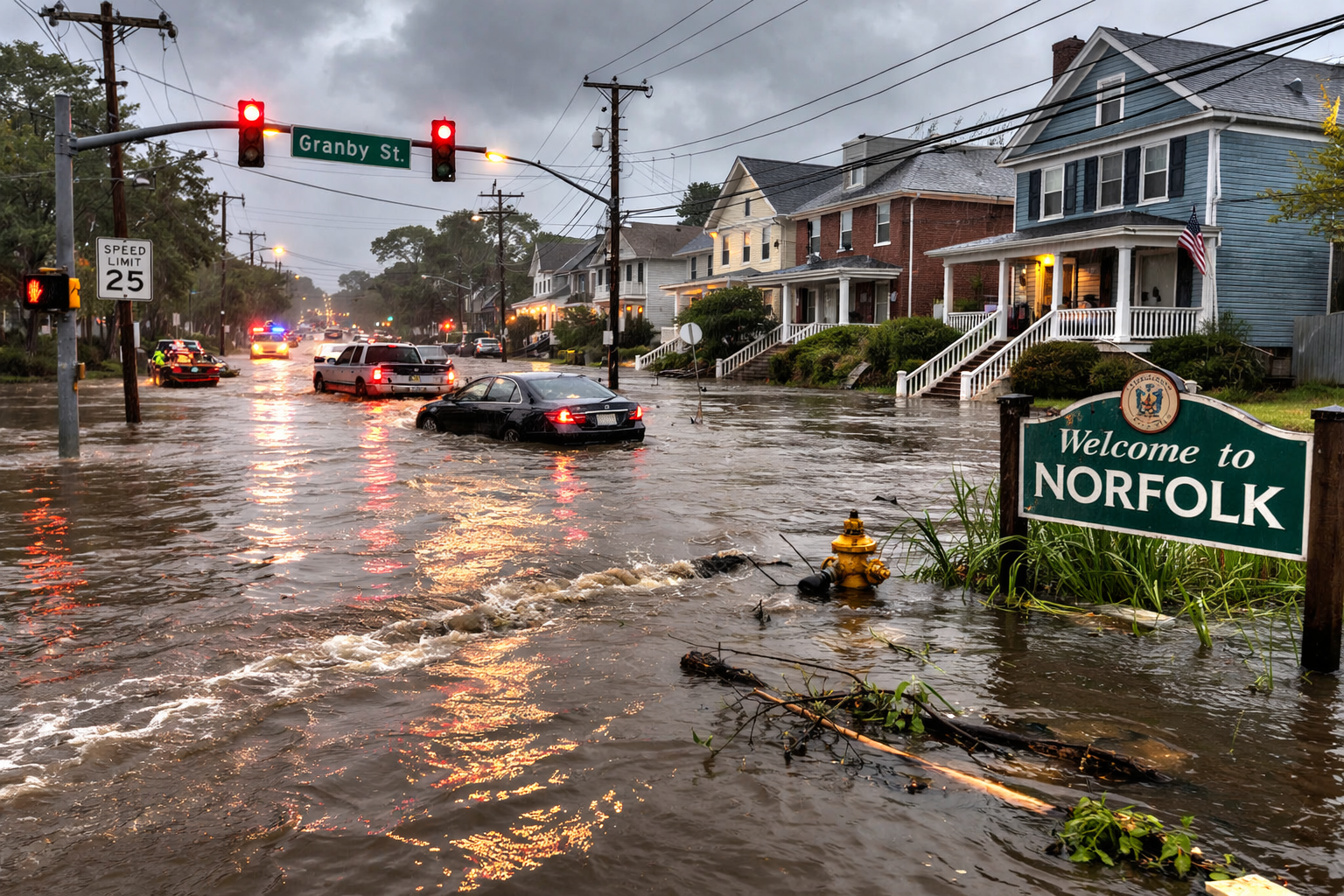
Coastal Virginia, particularly Hampton Roads, faces frequent flooding due to:
Storm surge
Heavy rainfall
Rising sea levels
Standard landlord insurance does not cover flood damage, which is why landlords must consider separate flood insurance.
Official FEMA resource:
https://www.fema.gov/flood-insurance
Hurricanes and Wind Damage
Properties near the coast often include:
Named storm deductibles
Wind/hurricane deductibles
These are separate from standard deductibles and can significantly affect out-of-pocket costs.
In 2026, insurers are placing increased emphasis on:
Roof condition
Storm mitigation features
Property elevation
Humidity and Mold Risks
Virginia law requires landlords to address mold issues promptly, especially in humid coastal environments.
For broader landlord responsibilities, see:
https://www.abramshomes.com/blog/2025-virginia-landlord-guide-managing-rentals-in-coastal-virginia/ (abramshomes.com)
Types of Coverage Coastal Virginia Landlords Need
1. Dwelling Coverage
Protects the physical structure of the property, including:
Roof
Walls
Electrical systems
Plumbing
In coastal regions, insurers may require higher coverage limits due to rebuilding costs.
2. Liability Protection
Liability coverage protects landlords if:
A tenant or guest is injured
The landlord is found negligent
This is especially important in areas with:
Slip hazards from flooding
Structural damage from storms
3. Loss of Rental Income
If a covered event makes the property uninhabitable, this coverage replaces lost rent.
This is critical in coastal markets where:
Storm damage can displace tenants for months
Repairs may take longer due to contractor demand
4. Flood Insurance (Separate Policy)
Flood insurance is not included in standard landlord policies.
Landlords in Coastal Virginia should strongly consider:
National Flood Insurance Program (NFIP) policies
Private flood insurance alternatives
5. Additional Endorsements
In 2026, landlords are increasingly adding:
Water backup coverage
Ordinance or law coverage
Short-term rental endorsements
Vacancy coverage
Insurance Costs in Coastal Virginia (2026)
Landlord insurance costs vary widely based on:
Location (coastal vs inland)
Flood zone designation
Property type and age
Claims history
Average statewide cost:
Around $900 to $1,200 annually
Coastal properties, especially in Virginia Beach, tend to be higher due to increased risk exposure.

Local Requirements and Coastal City Considerations
City-Level Regulations
Some Coastal Virginia cities may require:
Rental registration
Property inspections
Compliance with floodplain ordinances
Examples include:
Norfolk
Virginia Beach
Chesapeake
These local rules can affect insurance eligibility and pricing.
Short-Term Rental (STR) Implications
If you operate an Airbnb or short-term rental:
Standard landlord insurance may not cover STR activity
Specialized STR endorsements or policies are required
Failure to disclose STR use can result in denied claims.
Common Mistakes Landlords Make
1. Assuming Homeowners Insurance Is Enough
Homeowners insurance typically excludes rental activity. Landlords need a dedicated policy.
2. Skipping Flood Insurance
Even properties outside high-risk zones can flood. Many landlords underestimate this risk.
3. Choosing Low Deductibles Without Understanding Wind Clauses
Wind and hurricane deductibles can be significantly higher than standard deductibles.
4. Not Requiring Renters Insurance
Without renters insurance:
Tenants may pursue landlords for losses
Disputes become more frequent
5. Failing to Update Coverage
Property values and rebuild costs have increased in 2026. Outdated policies can leave gaps.
Best Practices for Coastal Virginia Landlords
Work With Local Experts
Local insurance agents understand:
Coastal risk factors
Flood zones
Regional insurance carriers
Conduct Annual Policy Reviews
Review your policy yearly to:
Adjust coverage limits
Add endorsements
Ensure compliance with lender requirements
Document Property Condition
Maintain:
Inspection reports
Photos
Maintenance records
This protects against disputes and supports insurance claims.
Integrate Insurance Into Lease Agreements
Include clauses for:
Renters insurance requirements
Storm preparation responsibilities
Maintenance obligations
How Insurance Supports Legal Compliance
Insurance plays a key role in helping landlords meet obligations under Virginia law, including:
Maintaining habitable conditions
Addressing property damage quickly
Protecting against liability claims
The VRLTA emphasizes landlord responsibility for safe and livable housing, which insurance helps support.
Future Outlook: Insurance Trends in 2026 and Beyond
Landlord insurance in Coastal Virginia is evolving due to:
Increased climate risk
Rising insurance premiums
Stricter underwriting requirements
Key trends include:
More detailed property inspections
Higher deductibles for coastal properties
Greater emphasis on mitigation features
Landlords who proactively adapt will be better positioned to maintain profitability and reduce risk.
Final Thoughts
Landlord insurance in Coastal Virginia is not just a recommendation in 2026, it is a critical component of responsible property ownership. While the state does not legally require it, the combination of environmental risk, tenant liability, and financial exposure makes comprehensive coverage essential.
By understanding Virginia-specific laws, coastal risks, and modern insurance options, landlords can protect their investments and operate with confidence.
Whether you own a single-family rental in Virginia Beach or a multi-unit property in Norfolk, the right insurance strategy ensures long-term success in one of the most dynamic rental markets in the state.