
Key Takeaways
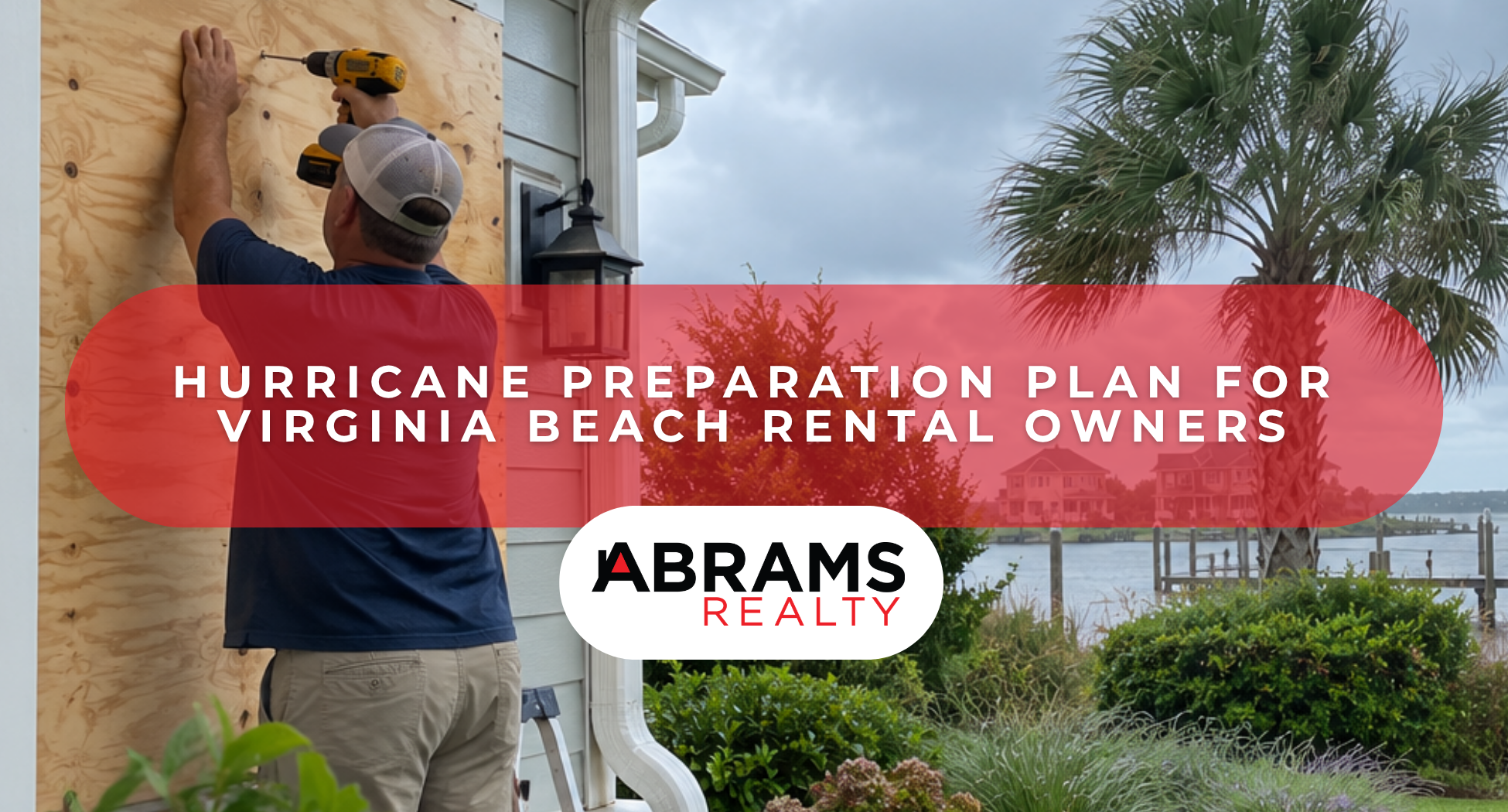
Hurricane preparedness is essential for rental property owners in Virginia Beach due to the region's exposure to tropical storms, coastal flooding, and hurricane-related damage.
A proactive storm plan can reduce property damage, minimize liability, and improve tenant safety.
Property owners should review insurance coverage annually and understand flood risks before hurricane season begins.
Regular property inspections and preventive maintenance are critical components of storm readiness.
Clear communication with tenants before, during, and after a storm can significantly reduce confusion and emergency response challenges.
Virginia Beach offers many advantages for rental property investors, including strong housing demand, military-driven relocation activity, and desirable coastal living. However, owning rental property near the Atlantic Ocean also comes with unique responsibilities. Hurricane season remains one of the most significant risks facing property owners throughout Coastal Virginia.
While hurricanes do not make direct landfall in Virginia every year, the Hampton Roads region frequently experiences impacts from tropical systems, including high winds, storm surge, flooding, fallen trees, power outages, and infrastructure disruptions. Even storms that make landfall hundreds of miles away can create substantial challenges for rental property owners.
For property managers and landlords, preparation is not simply a best practice. It is an essential part of protecting assets, maintaining tenant safety, and reducing financial losses. A well-developed hurricane preparation plan helps rental owners respond effectively before, during, and after severe weather events. This guide outlines a comprehensive hurricane preparation strategy for Virginia Beach rental property owners in 2026.
Understanding Hurricane Risk in Virginia Beach
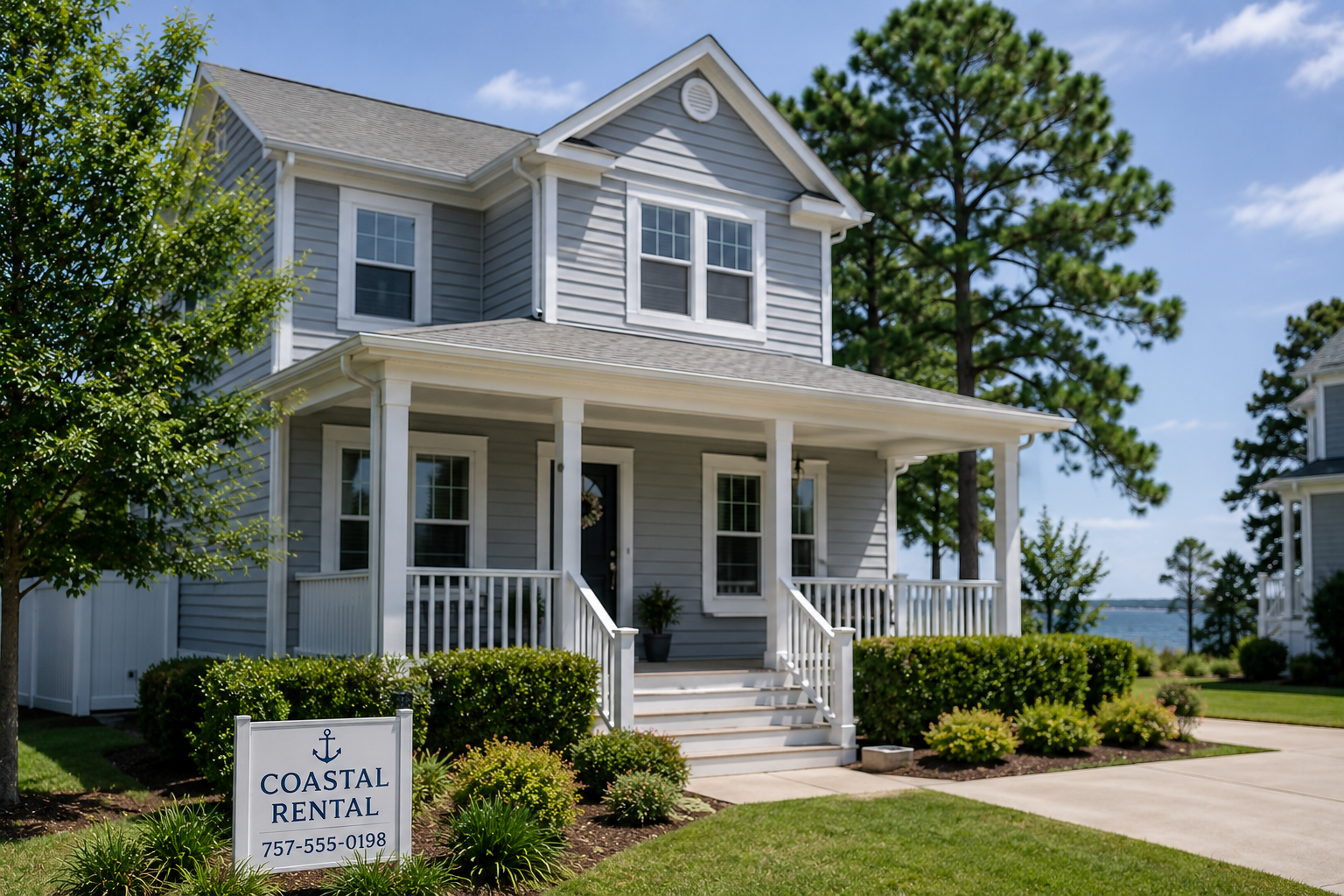
Many investors underestimate hurricane exposure in Virginia Beach because the area experiences fewer direct hits than locations farther south. However, the region remains vulnerable to:
Coastal flooding
Storm surge
Heavy rainfall
High winds
Tornadoes
Power outages
Falling trees
According to the National Hurricane Center, tropical systems can produce severe impacts far from their center, making preparedness essential for all Coastal Virginia property owners.
Why Hampton Roads Is Particularly Vulnerable
The geography of Hampton Roads creates unique flooding concerns. Virginia Beach is surrounded by:
The Atlantic Ocean
Chesapeake Bay
Numerous rivers
Tidal waterways
Low-lying neighborhoods
These factors can amplify flood risks during severe weather events. Property owners should regularly review local flood zone information through the FEMA Flood Map Service Center.
Review Insurance Coverage Before Hurricane Season
Insurance is one of the most important components of any hurricane preparedness plan. Many owners discover coverage gaps only after a storm occurs.
Review Property Insurance Annually
Coverage should be reviewed before every hurricane season. Important areas include:
Dwelling coverage
Wind damage coverage
Loss of rental income
Liability protection
Additional structures coverage
Replacement costs and construction expenses have increased significantly in recent years, making regular policy reviews essential.
Understand Flood Insurance Requirements
One of the most common mistakes rental owners make is assuming standard property insurance covers flooding. In most cases, flood damage requires separate coverage. The National Flood Insurance Program provides important information regarding flood insurance requirements and eligibility.
Document Property Conditions
Before hurricane season begins:
Photograph interiors
Photograph exteriors
Save maintenance records
Maintain digital copies of insurance policies
Accurate records can simplify future claims.

Conduct a Comprehensive Property Inspection
Preparation begins with understanding your property's vulnerabilities.
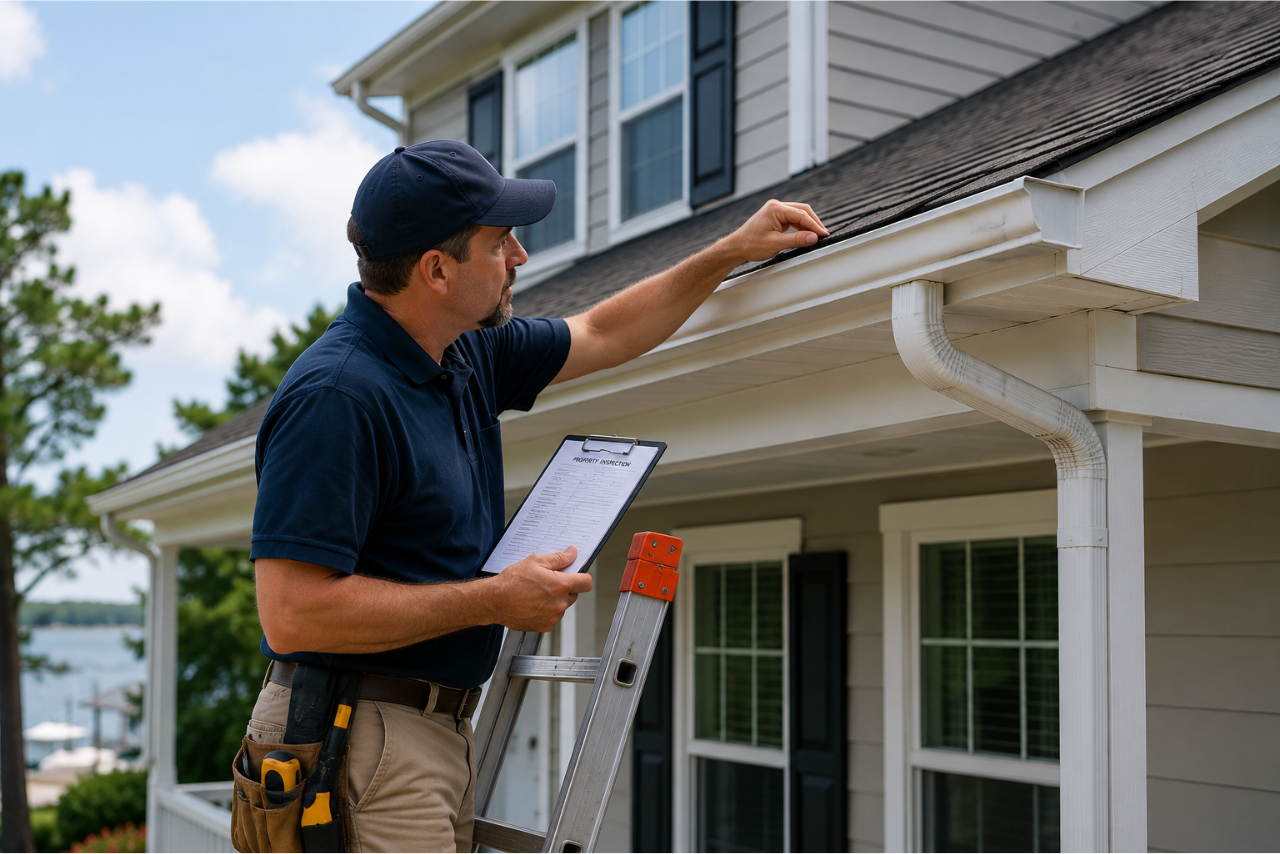
Inspect the Roof
Roof failures are among the most common sources of hurricane-related damage. Look for:
Missing shingles
Loose flashing
Damaged vents
Aging materials
Addressing minor issues before a storm can prevent major repairs later.
Evaluate Trees and Landscaping
Trees often become hazards during severe weather. Inspect for:
Dead limbs
Diseased trees
Branches near structures
Overgrown vegetation
Professional trimming may significantly reduce storm damage risk.
Inspect Gutters and Drainage Systems
Proper drainage helps reduce water intrusion. Ensure:
Gutters are clean
Downspouts function properly
Drainage systems remain clear
Water flows away from foundations
Create a Hurricane Preparedness Checklist
Every property should have a standardized storm preparation process.
Exterior Preparation Checklist
Before a storm approaches:
Secure outdoor furniture
Store grills and equipment
Inspect fencing
Remove loose debris
Secure trash containers
Check drainage systems
Interior Preparation Checklist
Property managers should verify:
Smoke detectors function properly
Carbon monoxide detectors operate correctly
Emergency lighting is available
Important records are backed up
Emergency Supply Inventory
Property managers should maintain access to:
Flashlights
Batteries
First aid supplies
Portable chargers
Emergency contact lists
Preparedness reduces response times during emergencies.
Develop a Tenant Communication Plan
Communication failures often create unnecessary complications during severe weather events.
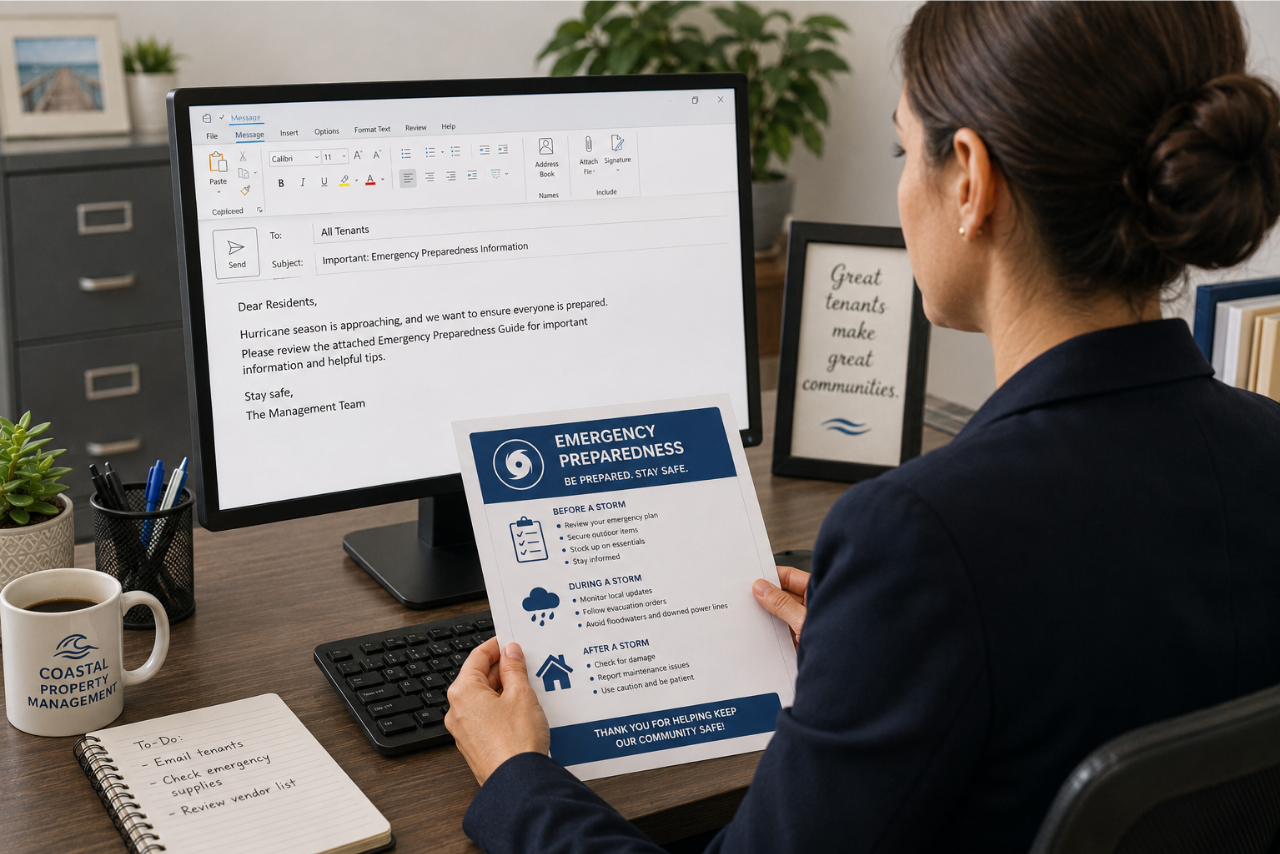
Provide Hurricane Preparedness Information
Tenants should receive information regarding:
Emergency contacts
Evacuation resources
Maintenance procedures
Storm preparation responsibilities
Providing this information before hurricane season improves readiness.
Establish Emergency Contact Methods
Maintain multiple communication channels:
Email
Text messaging
Phone calls
Property management portals
Communication systems should be tested periodically.
Clarify Tenant Responsibilities
Lease agreements and emergency policies should clarify responsibilities regarding:
Outdoor furniture
Personal property
Vehicle relocation
Emergency preparedness
Clear expectations help reduce disputes after a storm.
Understand Local Evacuation Procedures
Virginia Beach maintains designated evacuation zones to help protect residents during major storm events. Property owners should understand:
Local evacuation routes
Emergency shelter locations
Zone designations
Municipal emergency notifications
Current emergency planning information is available through Virginia Beach Emergency Management.
Encourage Tenant Preparedness
Tenants should maintain their own emergency plans. Recommendations include:
Emergency kits
Evacuation plans
Backup medications
Important documents
Prepared tenants contribute to safer communities.
Protect Vacant Rental Properties
Vacant properties require special attention before severe weather.
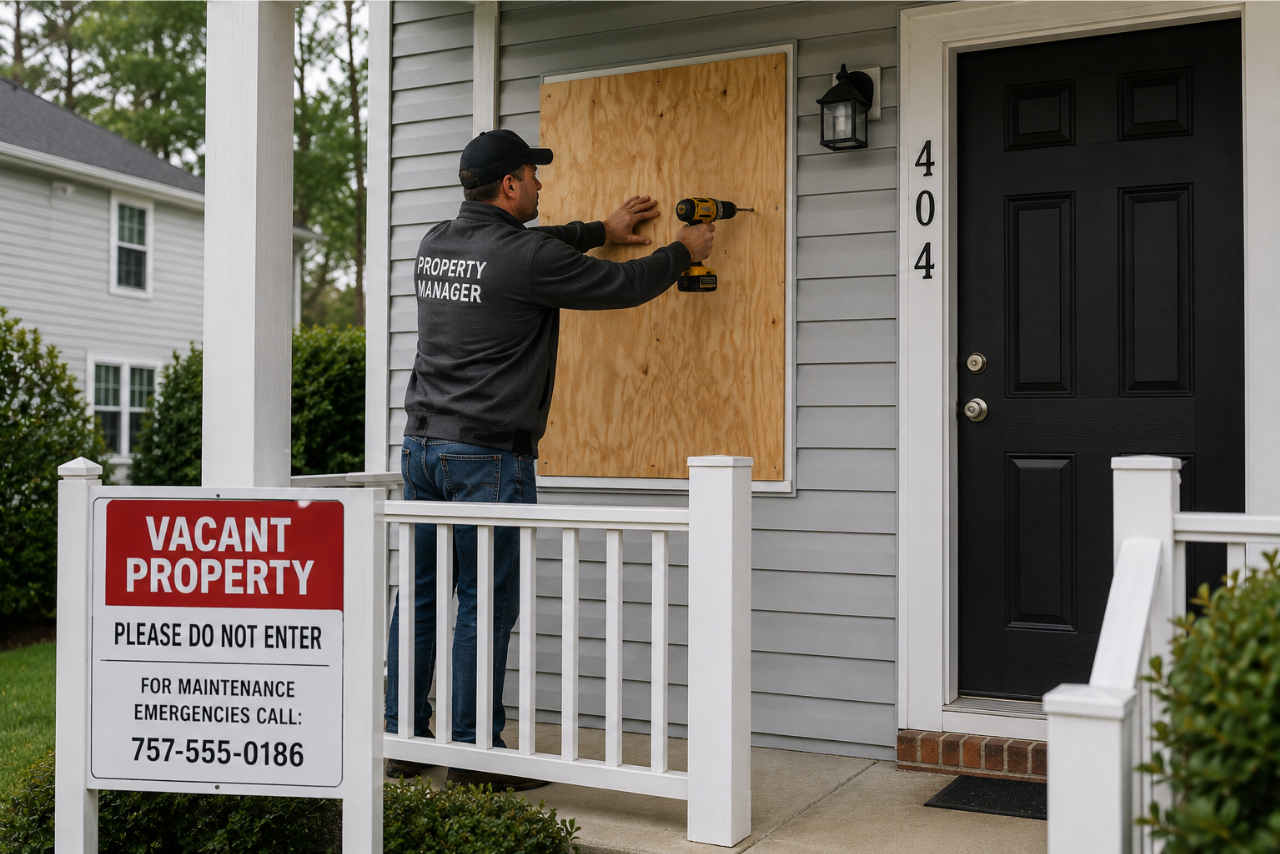
Secure Windows and Doors
Inspect all openings for vulnerabilities. Consider:
Impact-resistant materials
Reinforced doors
Storm shutters where appropriate
Turn Off Unnecessary Utilities
For vacant units, evaluate whether certain systems should be temporarily shut down before severe weather.
Perform Final Walkthroughs
Before a storm arrives:
Document property conditions
Photograph exterior areas
Confirm security measures
Detailed records support future insurance claims if necessary.
Preparing for Flood Risks
Flooding remains one of the most common causes of hurricane-related losses in Virginia Beach.
Know Your Flood Zone
Flood risk varies significantly throughout the city. Property owners should review flood maps and understand:
Base flood elevations
Flood insurance requirements
Historical flooding patterns
The FEMA Flood Map Service Center provides detailed flood mapping resources.
Protect Critical Systems
Where possible:
Elevate electrical equipment
Protect HVAC systems
Secure water heaters
Safeguard utility connections
Reducing exposure helps limit damage.
Maintain Proper Drainage
Routine drainage maintenance remains one of the most cost-effective flood prevention strategies.
Prepare Vendors and Contractors in Advance
One of the biggest post-storm challenges involves securing qualified contractors.
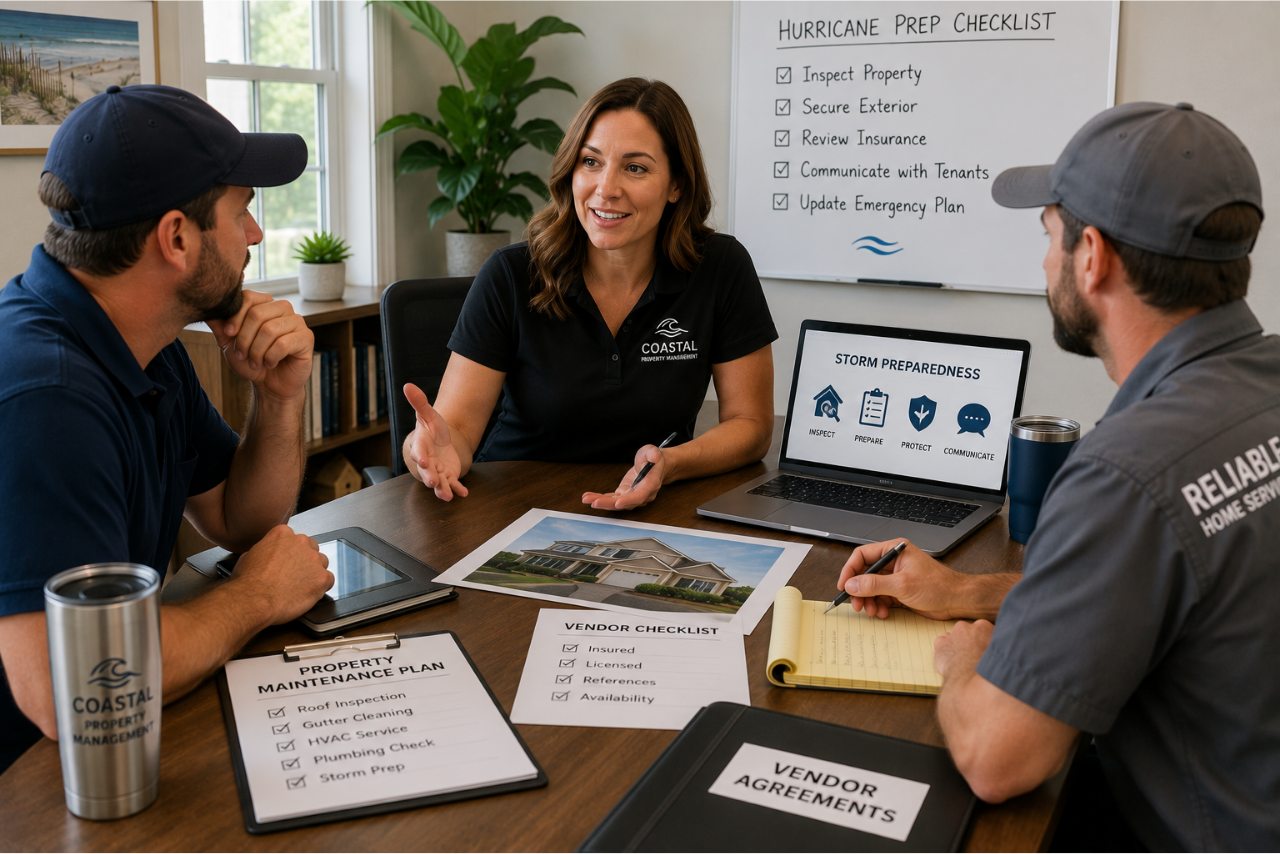
Build Vendor Relationships Early
Before hurricane season:
Identify roofing contractors
Establish restoration contacts
Verify insurance coverage
Confirm emergency response availability
Waiting until after a storm often leads to delays.
Maintain Emergency Service Lists
Important contacts should include:
Electricians
Plumbers
Restoration companies
Tree removal services
General contractors
Post-Storm Response Planning
Preparation should include recovery planning.
Conduct Immediate Property Assessments
After conditions become safe:
Inspect structures
Photograph damage
Document conditions
Contact insurance carriers
Rapid assessments help expedite repairs.
Prioritize Safety Issues
Address:
Electrical hazards
Structural concerns
Water intrusion
Fallen trees
Life safety should always come first.
Communicate With Tenants
Provide updates regarding:
Property conditions
Repair timelines
Temporary accommodations if necessary
Consistent communication builds trust and reduces frustration.
Long-Term Hurricane Resilience Strategies
Successful rental owners think beyond a single storm season.
Invest in Property Hardening
Long-term improvements may include:
Impact-resistant windows
Enhanced roofing systems
Improved drainage
Elevated utilities
These investments can reduce future losses.
Evaluate Future Climate Risks
Investors should consider long-term exposure when making acquisition decisions. Economic and environmental resilience increasingly influence property values and insurance costs.
Incorporate Preparedness Into Property Management
Storm readiness should become a routine part of annual property management operations. Regular inspections, tenant education, and maintenance planning create stronger and more resilient rental portfolios.
Conclusion
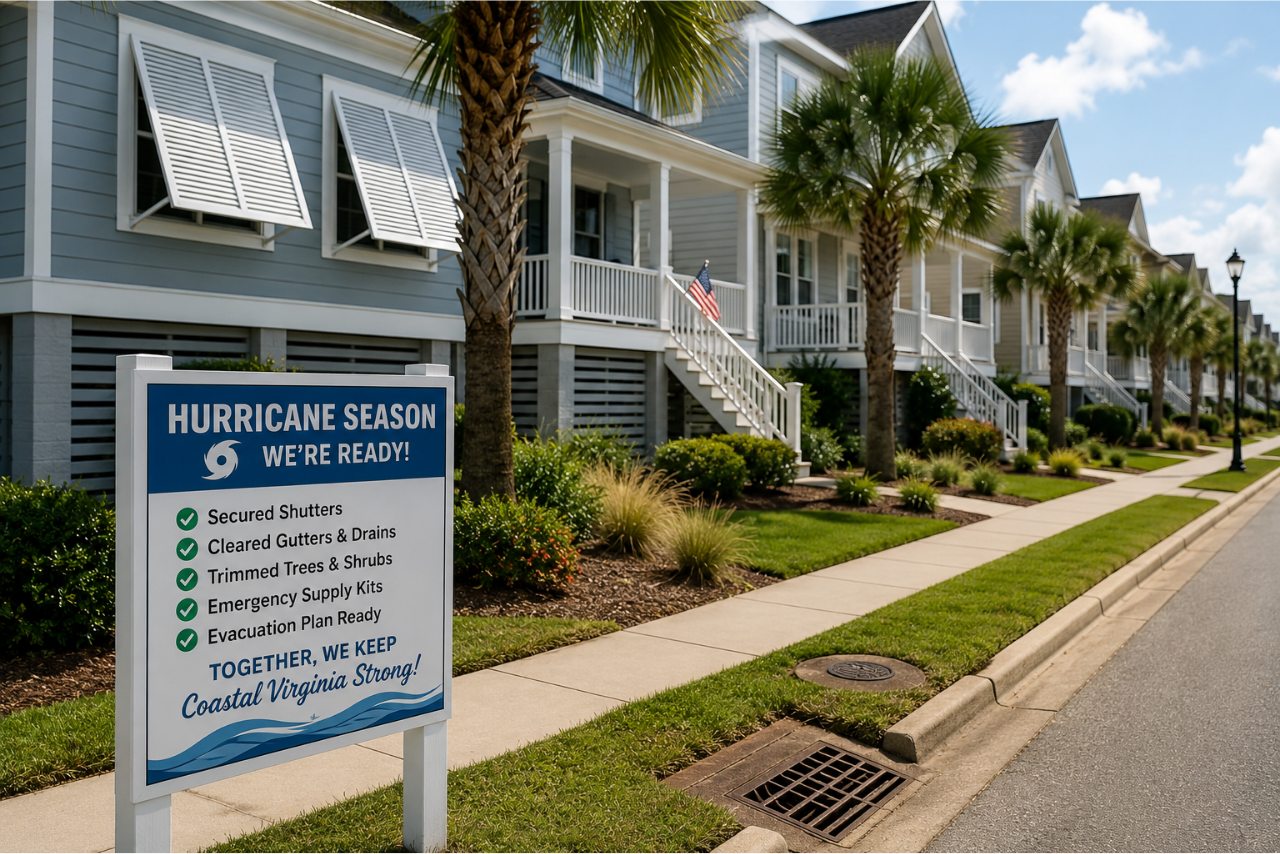
Hurricane preparedness is one of the most important responsibilities facing Virginia Beach rental property owners. While storms cannot be prevented, proper planning can significantly reduce damage, improve tenant safety, and protect long-term investment performance.
A comprehensive hurricane plan includes insurance reviews, property inspections, tenant communication strategies, flood risk assessments, contractor relationships, and post-storm recovery procedures. Property owners who prepare before hurricane season are often able to recover faster and minimize disruptions when severe weather occurs.
As hurricane risks continue to affect Coastal Virginia in 2026 and beyond, proactive preparation remains one of the smartest investments a rental property owner can make.