
Key Takeaways
Low-maintenance rental properties can reduce operating expenses, unexpected repairs, and management headaches.
Newer construction homes often require less maintenance than older properties.
Durable building materials and modern systems can significantly lower long-term ownership costs.
Location and property type play a major role in determining maintenance requirements.
Virginia investors should evaluate maintenance costs alongside cash flow, appreciation potential, and tenant demand when purchasing rental properties.
Investing in rental property remains one of the most effective ways to build long-term wealth, but not all investments are created equal. Many investors focus heavily on purchase price, rental income, and appreciation potential while overlooking one of the biggest factors affecting profitability: maintenance.
A property that generates strong rental income on paper can quickly become a financial burden if it requires constant repairs, emergency service calls, and ongoing upkeep. In contrast, a low-maintenance rental property can help investors preserve cash flow, reduce vacancies, and spend less time dealing with operational issues.
For Virginia investors in 2026, identifying low-maintenance rentals is especially important. Labor costs, insurance premiums, and material expenses remain elevated compared to previous years, making preventive property selection more valuable than ever. This guide explores the characteristics that make a rental property truly low maintenance and how investors can identify the best opportunities throughout Virginia.
Understanding the True Cost of Maintenance
Many first-time investors underestimate how much maintenance affects profitability. While mortgage payments and property taxes are predictable, maintenance expenses can vary dramatically from one property to another. A property requiring frequent repairs may reduce annual returns substantially. According to the Internal Revenue Service, maintenance and repair expenses are an important consideration for rental property owners because they directly impact operating costs and taxable income.
Why Maintenance Matters for Investors
Maintenance impacts:
Cash flow
Tenant satisfaction
Vacancy rates
Property value
Long-term return on investment
Properties requiring fewer repairs often produce more consistent returns over time.
The Difference Between Maintenance and Capital Improvements
Investors should distinguish between routine maintenance and major capital expenditures. Routine maintenance includes:
HVAC servicing
Minor plumbing repairs
Landscaping
Paint touch-ups
Capital improvements include:
Roof replacements
HVAC system replacements
Major renovations
A truly low-maintenance rental minimizes both categories whenever possible.

Newer Construction Often Means Lower Maintenance
One of the easiest ways to reduce maintenance costs is to purchase newer properties.
Advantages of Newer Homes
Properties built within the last 10 to 15 years often feature:
Modern plumbing systems
Updated electrical systems
Energy-efficient HVAC equipment
Improved roofing materials
Better insulation
These features typically reduce repair frequency and improve tenant satisfaction.
Benefits in Virginia Markets
Throughout Hampton Roads, Chesapeake, Virginia Beach, Suffolk, and parts of Norfolk, newer developments continue to attract investors seeking lower-maintenance opportunities. Investors can monitor regional growth trends through the Virginia Economic Development Partnership, which tracks economic development and population trends across the Commonwealth.
Property Type Matters
Not every rental property requires the same level of maintenance.
Single-Family Homes
Single-family homes remain popular among investors because they often attract long-term tenants. Benefits include:
Stable occupancy
Fewer shared maintenance issues
Greater tenant responsibility
However, owners remain responsible for most exterior maintenance.
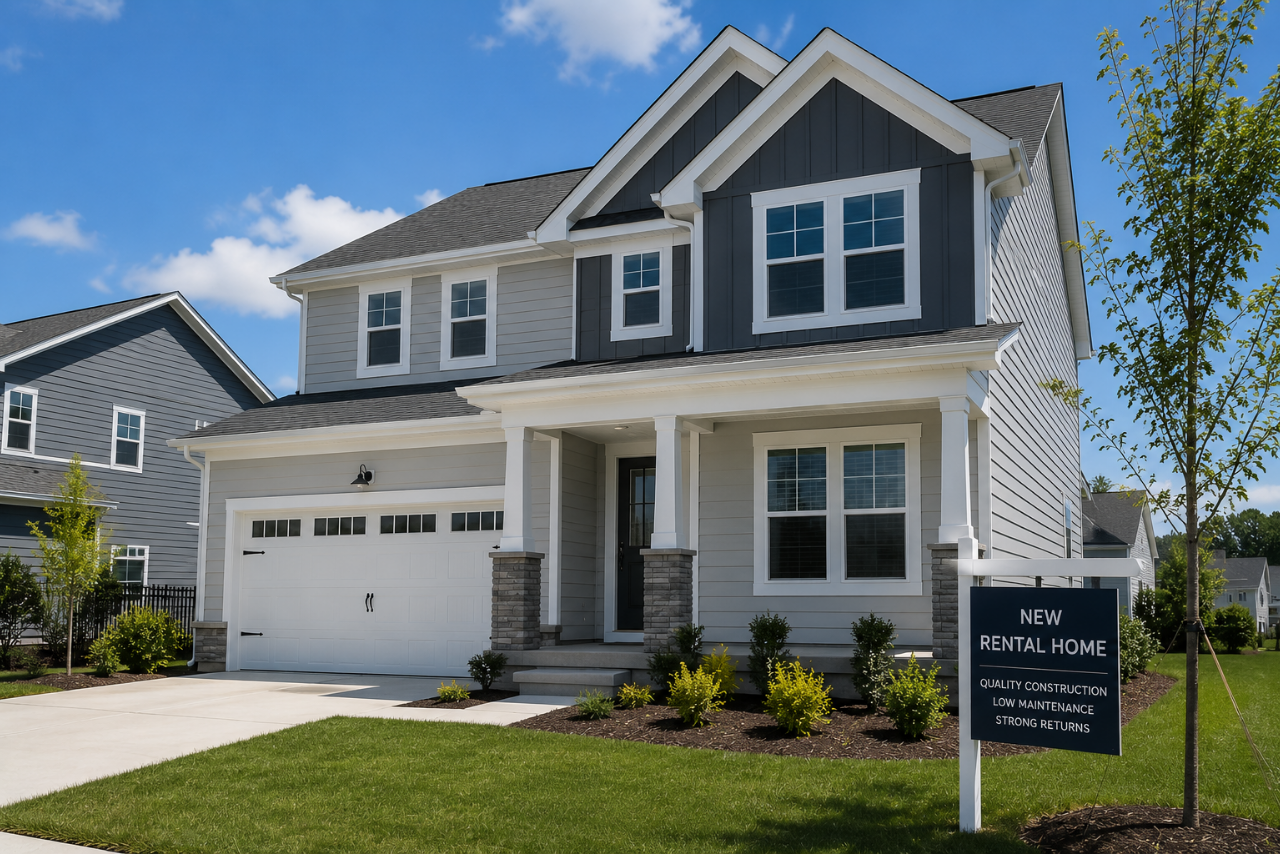
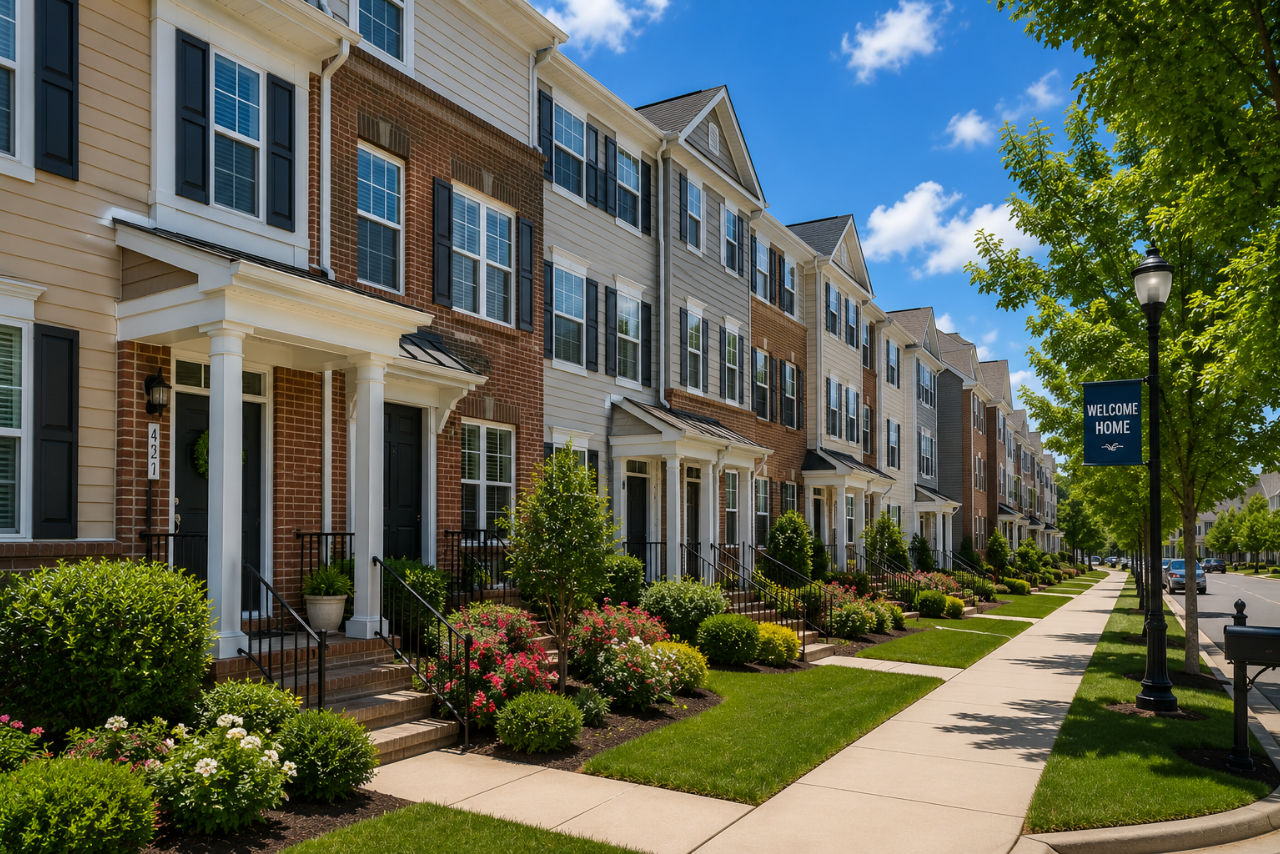
Townhomes
Townhomes frequently offer a balance between income potential and reduced maintenance. Many communities include homeowners associations that may cover:
Exterior maintenance
Landscaping
Roof maintenance
Common area upkeep
Before investing, review HOA responsibilities carefully.
Condominiums
Condos are often considered some of the most low-maintenance rental options. The Virginia Law Portal provides resources related to community associations and property ownership requirements. Condominium associations may handle:
Exterior repairs
Building maintenance
Landscaping
Amenities
This can significantly reduce owner responsibilities.
Durable Building Materials Reduce Long-Term Costs
A low-maintenance rental is often built with durability in mind.
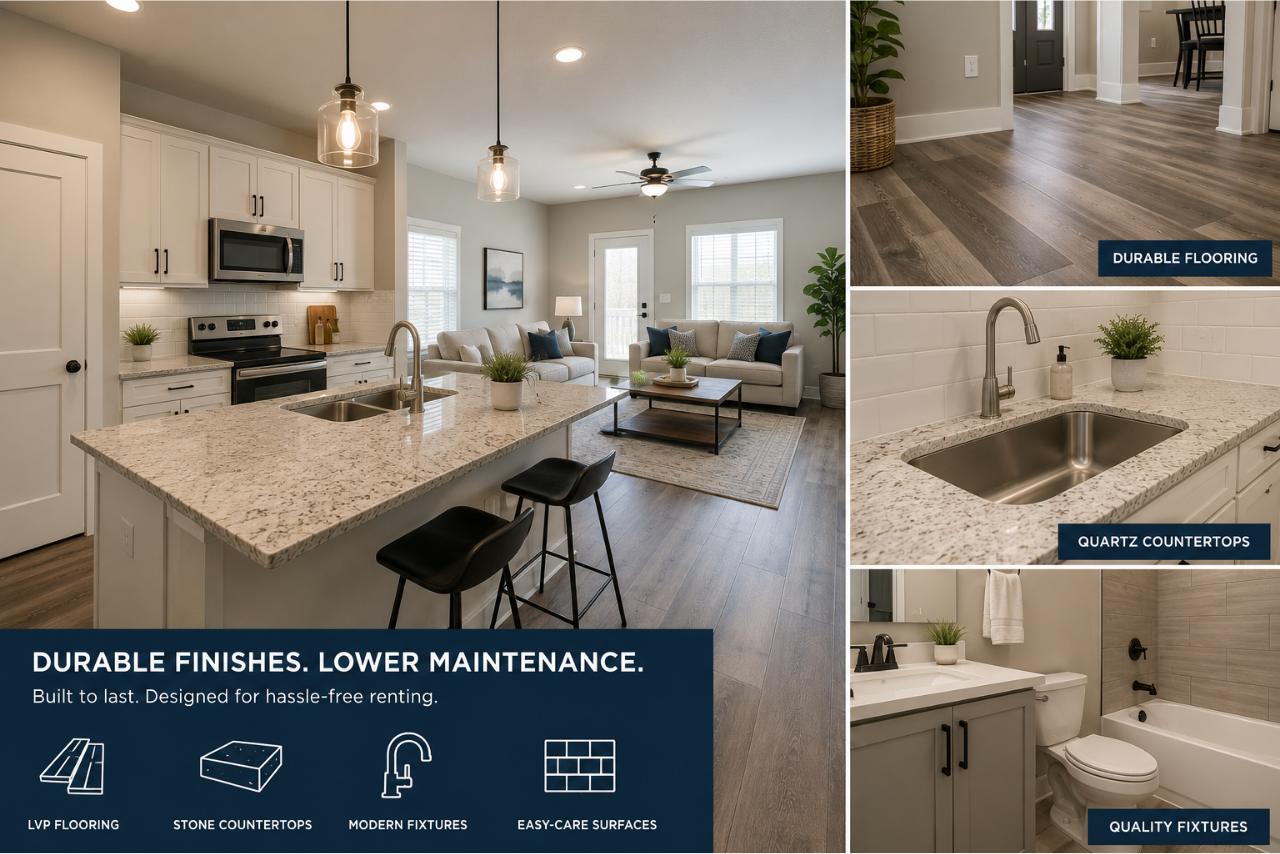
Flooring Choices
Some flooring materials hold up far better than others. Low-maintenance options include:
Luxury vinyl plank flooring
Tile flooring
Engineered hardwood
These materials generally outperform carpet in rental environments.
Exterior Materials
Certain exterior materials require less upkeep. Examples include:
Vinyl siding
Fiber cement siding
Brick exteriors
Composite trim
These products resist weather damage and reduce maintenance costs over time.
Countertops and Fixtures
Durable finishes help minimize turnover expenses. Popular options include:
Quartz countertops
Stainless steel appliances
Brushed nickel fixtures
These materials often withstand tenant wear more effectively.
Focus on Reliable Systems
Mechanical systems can become some of the most expensive components of rental ownership.
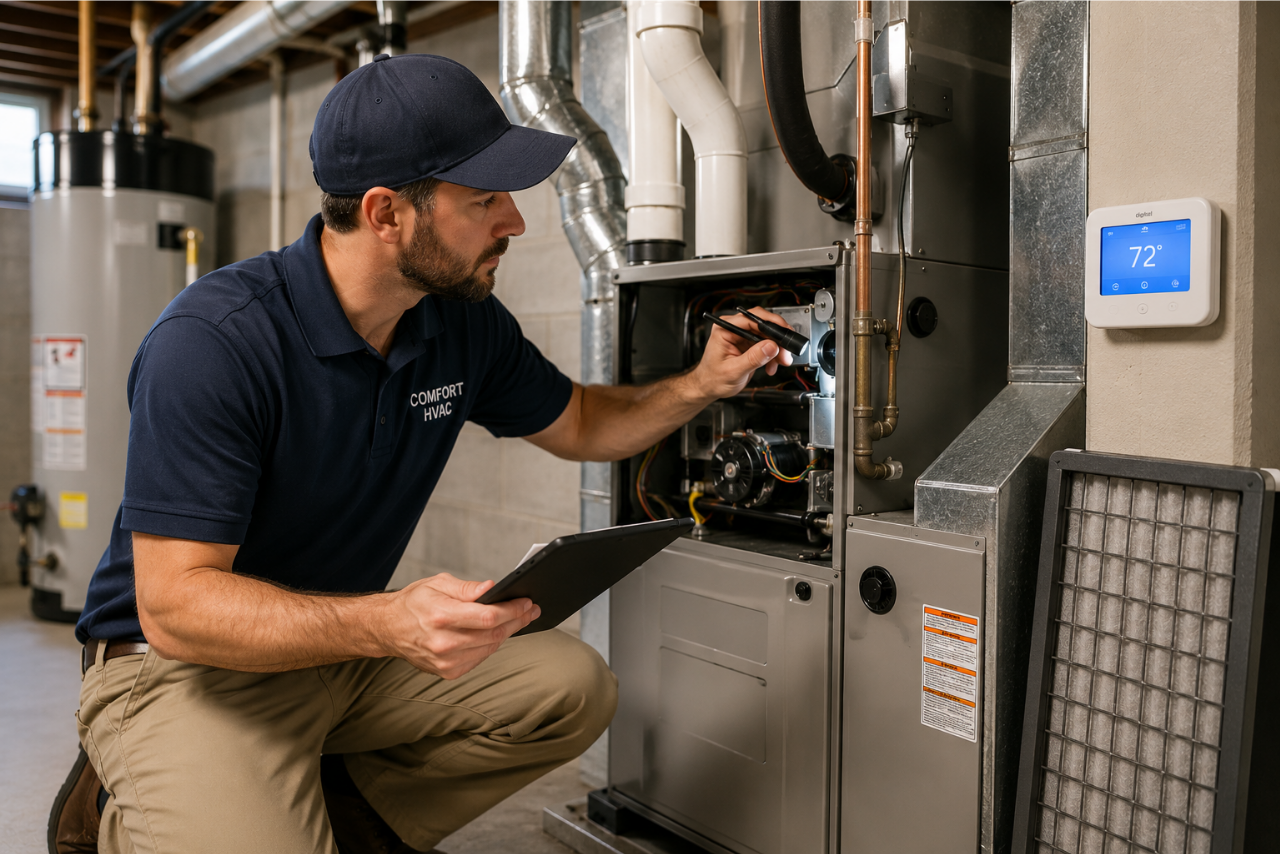
HVAC Systems
Investors should prioritize properties with newer HVAC systems. The U.S. Department of Energy offers information regarding energy-efficient heating and cooling systems that can lower operating costs. When evaluating a property, consider:
System age
Maintenance history
Energy efficiency ratings
Water Heaters
Older water heaters often create emergency maintenance situations. Replacing aging units proactively may reduce future risk.
Electrical and Plumbing Systems
Modern systems generally require fewer repairs and better support today's tenant expectations.
Location Influences Maintenance Costs
A property's location can significantly impact maintenance requirements.
Coastal Properties
Virginia Beach waterfront properties offer strong rental demand but may experience increased exposure to:
Salt air corrosion
Wind damage
Flood risks
Moisture issues
Investors should review flood risk information through the FEMA Flood Map Service Center.
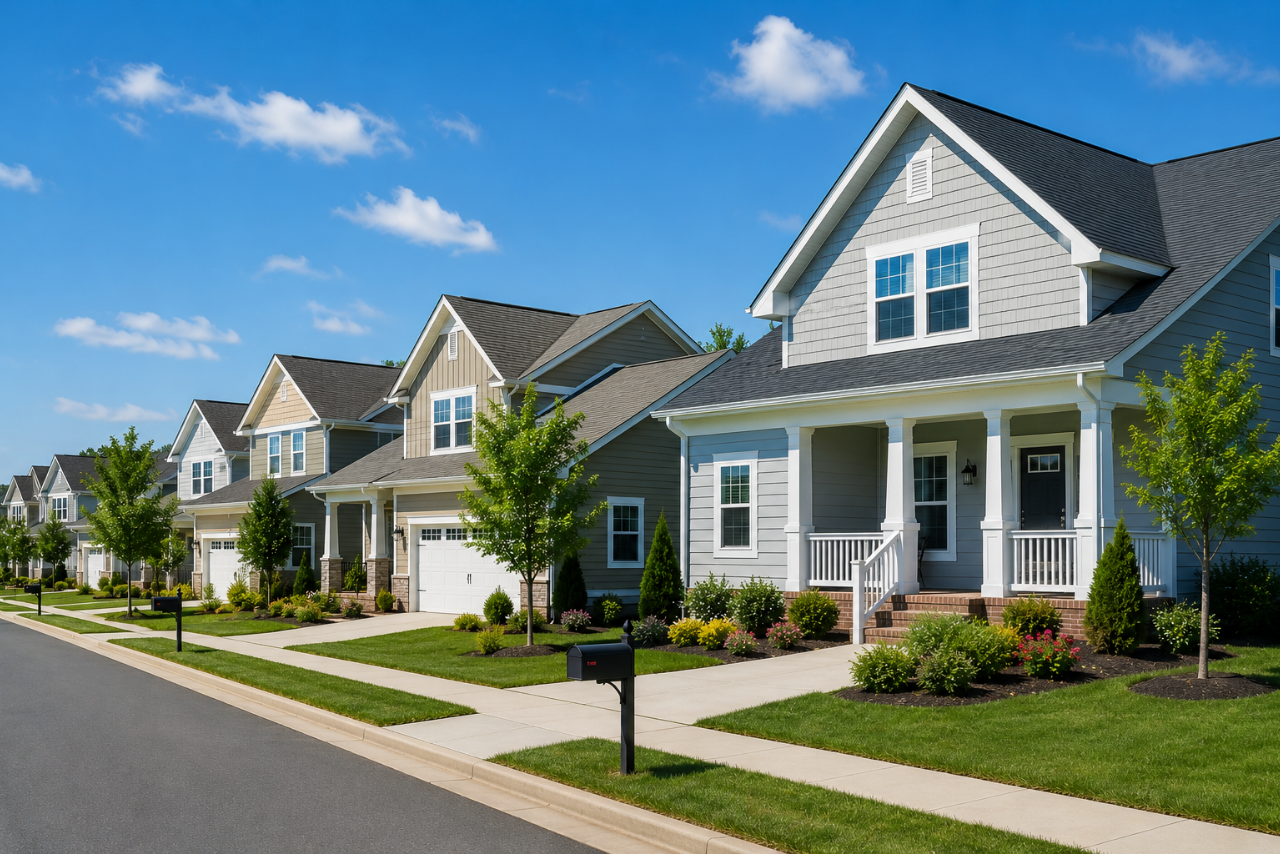
Suburban Communities
Many suburban neighborhoods offer lower maintenance requirements due to:
Newer construction
Improved infrastructure
Lower environmental exposure
These factors often contribute to more predictable ownership costs.
Tenant Quality Plays a Major Role
Even the most durable property can become high maintenance if occupied by poor tenants.
Effective Tenant Screening
Strong screening procedures should evaluate:
Credit history
Income verification
Rental history
Background checks
Quality tenants often reduce property wear and maintenance requests.
Long-Term Occupancy Benefits
Longer tenancy typically results in:
Lower turnover costs
Reduced leasing expenses
More consistent property care
Tenant retention should be part of every maintenance strategy.

Conclusion
A low-maintenance rental property is not simply one that requires fewer repairs. It is a property designed, located, and managed in a way that minimizes operational challenges while maximizing long-term profitability.
For Virginia investors in 2026, the best low-maintenance rentals often combine newer construction, durable materials, efficient systems, strong locations, and qualified tenants. By evaluating these factors before purchasing a property, investors can reduce expenses, improve cash flow, and build a more sustainable real estate portfolio.
The most successful investors understand that maintenance costs can significantly impact returns. Choosing the right property from the beginning is often the most effective way to protect profits and create long-term investment success.