Key Takeaways
Strong safety features directly improve tenant retention and protect your investment from legal and financial risks.
Legal compliance is not optional; you must meet safety standards to avoid liability and legal repercussions.
Regular inspections and proactive maintenance prevent expensive repairs and ensure your property stays competitive.
Why Tenant Safety Should Be Your Top Priority
Tenant safety is more than a checklist; it’s your reputation as a landlord. When tenants feel secure, they stay longer, take better care of the rental unit, and reduce turnover. That translates into stable income and fewer vacancies.
Not all rental properties offer the same level of protection. Making safety your top priority positions your property above the competition while safeguarding your tenant’s well-being.
Understanding Legal Compliance and Safety Standards
You operate within a framework of local laws and safety standards that protect both you and your tenants. Legal compliance covers everything from structural integrity to fire safety systems.
Ignoring these legal requirements exposes you to serious legal issues, including fines, tenant disputes, and liability claims. Staying compliant is not just good practice; it’s essential to protecting your property and your income.
Key Legal Requirements Every Rental Unit Must Meet
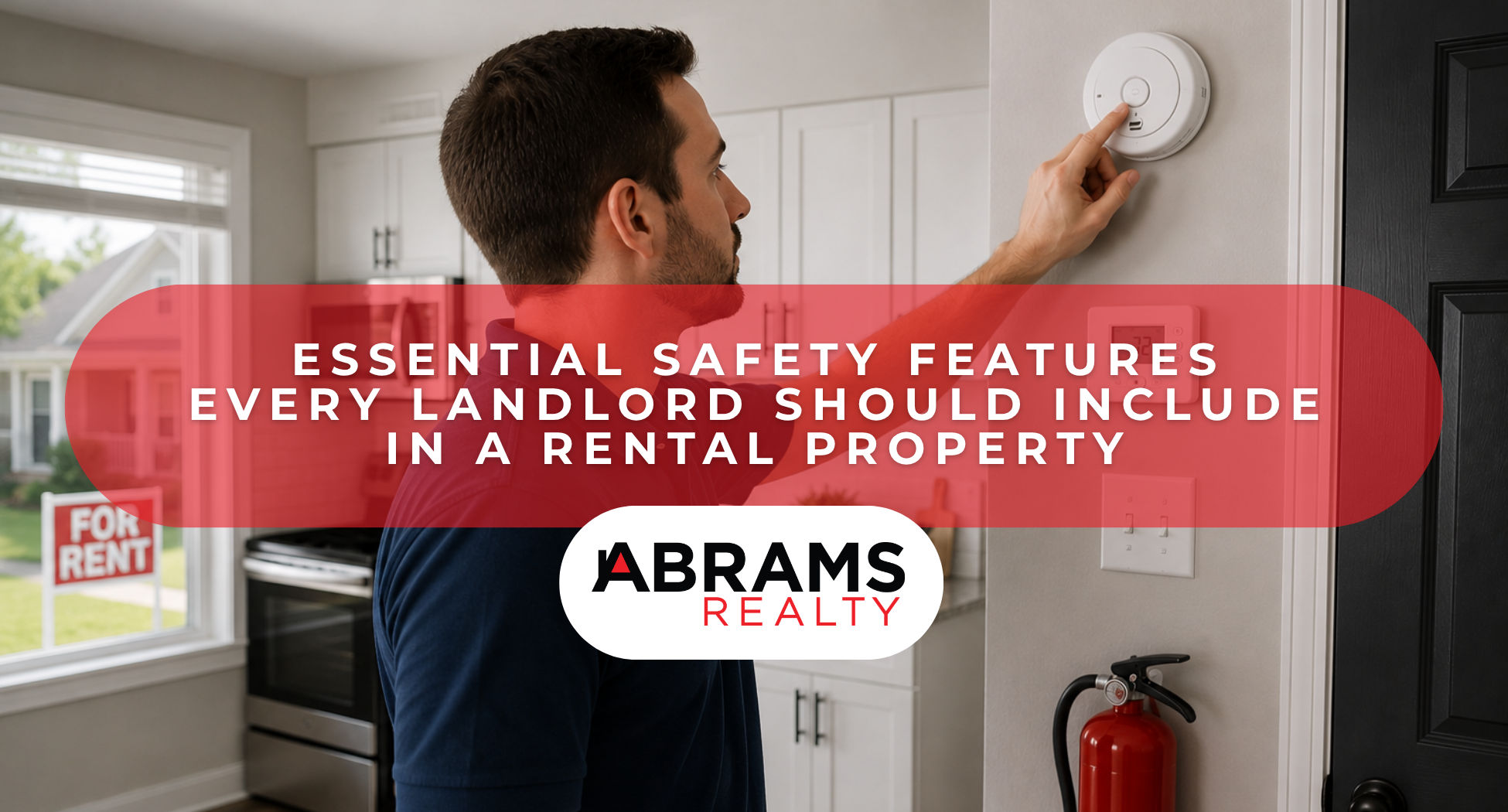
You must install smoke detectors, smoke alarms, and carbon monoxide detectors where applicable. Fire extinguishers should also be accessible, following guidelines similar to those from the National Fire Protection Association.
These safety measures are legally required in many jurisdictions and serve as your first line of defense against emergencies.
The Role of a Property Manager in Maintaining Property Safety
Managing safety across rental homes, especially in multi-unit buildings, requires consistency and expertise. A property manager helps you handle inspections, coordinate maintenance requests, and ensure compliance.
With professional oversight, you reduce safety concerns, streamline service delivery, and maintain your property’s condition in compliance with safety standards.
How Property Managers Handle Inspections Efficiently
A property manager ensures regular inspections are conducted without disrupting tenants. They monitor everything from electrical outlets to structural damage.
They also document findings, track maintenance issues, and ensure every safety feature is working properly, keeping your investment protected at all times.
Essential Security Features Every Rental Property Should Have
Security is a critical component of property safety. Your tenants expect more than just a roof; they expect protection for themselves and their personal property.
Basic security features help prevent unauthorized access, reduce suspicious activity, and create a safe living environment that encourages long-term tenancy.
Doors, Windows, and Locks That Strengthen Security
Your first layer of protection starts with physical barriers:
Install deadbolt locks on all exterior doors
Ensure window locks are secure and functional
Reinforce doors to prevent forced entry
These simple but effective security measures significantly reduce risks and enhance tenant satisfaction.
Using Security Cameras and Smart Technology
Modern rental homes benefit from smart security features. Security cameras and video doorbells allow tenants to monitor activity and deter potential threats.
Installing these in common areas improves overall security without invading privacy. It also shows tenants that you prioritize their safety, which builds trust and loyalty.
Monitoring Suspicious Activity in Common Areas
You should focus surveillance on shared spaces like hallways, entrances, and laundry rooms. These areas are more vulnerable to safety concerns.
With proper monitoring, you can quickly respond to suspicious activity and maintain a safer environment for everyone.
The Importance of Exterior Lighting and Outdoor Lighting
Poor lighting creates a risk. Dark corners, poorly lit walkways, and unlit entrances can compromise safety.
Exterior lighting improves visibility and reduces the likelihood of incidents around your property.
Where to Place Lighting for Maximum Safety
Focus on these key areas:
Entry and exit points
Parking spaces and driveways
Walkways and common areas
Well-placed lighting enhances security while making your property more appealing to tenants.
Fire Safety Measures Every Rental Home Must Include
Fire safety remains one of the most critical responsibilities you carry as a landlord. A single oversight can lead to devastating consequences.
You must equip your rental unit with smoke alarms, fire extinguishers, and properly maintained electrical systems to minimize risk.
Emergency Procedures Every Tenant Should Know
You should clearly communicate emergency procedures to your tenants:
Evacuation routes and exits
Emergency contact numbers
Proper use of fire extinguishers
Providing this information ensures tenants can act quickly and safely during emergencies.
Preventing Maintenance Issues That Lead to Safety Risks
Unresolved maintenance issues often turn into serious hazards. Water damage can weaken structures, while faulty wiring increases the risk of fire.
Promptly addressing maintenance requests helps you avoid expensive repairs and keeps your property safe for occupancy.
Common Maintenance Issues That Affect Safety
Watch out for:
Structural damage in walls or ceilings
Faulty electrical outlets
Leaks that lead to water damage
Staying proactive protects both your tenants and your investment.
Regular Inspections to Maintain Property Condition
Regular inspections allow you to catch problems early and ensure every feature is functioning properly. This includes checking doors, windows, lighting, and safety systems.
Whether you manage single-family homes or multiple units, consistent inspections are a good practice that prevents long-term damage.
What to Include in Your Inspection Checklist
Your checklist items should cover:
Safety equipment functionality
Signs of normal wear and tear
Compliance with safety standards
A thorough inspection process ensures your property remains in excellent condition.
Creating a Move-In Checklist for Tenant Safety
A move-in process sets the tone for tenant expectations. Documenting the property’s condition protects you from disputes when a tenant moves out.
It also confirms that all safety features are in place before occupancy begins.
Essential Move-In Checklist Items
Include the following:
Working smoke detectors and lighting
Secure doors and windows
Functional safety features
This checklist provides clarity and accountability for both you and your tenants.
Setting Clear Expectations in the Rental Agreement
Your rental agreement should clearly define responsibilities related to safety and maintenance. This includes how tenants should report maintenance issues and how they should handle the property.
Setting clear expectations reduces misunderstandings and ensures smooth communication throughout the lease period.
Clauses That Protect Both Landlord and Tenant
You should include:
Requirements for renter’s insurance
Guidelines for reporting maintenance issues
Responsibilities for basic maintenance
These terms protect your property while promoting tenant cooperation.
Addressing Safety in Common Areas and Shared Spaces
Shared spaces require the same level of attention as individual units. Proper lighting, security measures, and cleanliness are essential in maintaining safety.
Areas like laundry rooms, hallways, and entrances should always feel secure and well-maintained to support tenant satisfaction.
FAQ: Essential Rental Property Safety
1. Are security cameras required in rental properties?
No, but they are a good practice that enhances security and helps monitor common areas.
2. Who is responsible for minor maintenance issues?
This depends on your rental agreement, but landlords typically handle major repairs while tenants manage basic maintenance.
3. How often should inspections be conducted?
You should conduct regular inspections at least twice a year or as allowed by local laws.
We Set the Standard for Safer, Smarter Property Management
Abrams Realty sees safety as more than a requirement; it’s a core part of your landlord’s responsibilities and a key factor in protecting your investment.
From routine inspections to maintenance coordination and full compliance, we ensure every space stays safe while supporting your financial protection.
We handle the details that keep your property performing, from enforcing safety standards to addressing maintenance needs so that you can focus on growth.
If you’re ready to create a space safe for tenants and profitable for you, explore your options today.
Other Resources:
5 Signs Your Commercial Property in Virginia needs Professional Management
How to Evaluate a Property Management Company in Virginia Beach: Checklist for Investors