
Key Takeaways
Verify that the property management company operates through properly licensed Virginia real estate professionals before signing an agreement.
Compare the entire service package, not only the monthly management percentage. Leasing, screening, inspections, maintenance, accounting, renewals, and vacancy management all affect your return.
Ask specifically how rent, security deposits, maintenance requests, inspections, and owner funds are handled under Virginia law.
Make fair housing compliance part of your evaluation. Virginia protects additional categories, including source of funds and military status.
Choose a company with strong Virginia Beach and Hampton Roads market knowledge, transparent fees, documented procedures, responsive communication, and clear owner reporting.
Choosing a property management company is one of the most important decisions a Virginia Beach landlord or real estate investor can make. The right company can help protect the condition of your rental, market vacancies effectively, screen applicants consistently, coordinate repairs, collect rent, maintain records, and help you navigate the responsibilities that come with renting residential property in Virginia. The wrong fit can create unnecessary vacancy, poor communication, unexpected expenses, inconsistent maintenance, and avoidable compliance problems.
That is why property owners should look beyond a management company's advertised monthly fee. In 2026, landlords should evaluate licensing, local experience, tenant screening, maintenance systems, accounting, communication, fair housing procedures, lease administration, inspections, and the terms of the management agreement itself.
This checklist will help Virginia Beach landlords and investors compare property management companies more carefully and select a service that fits their rental property and long-term investment goals.

1. Verify Virginia Licensing Before Anything Else
The first step is confirming that the people handling your rental property are operating within Virginia's real estate licensing requirements. Under the Code of Virginia definition of a real estate broker, brokerage activity includes leasing or offering to lease and renting or offering real estate for rent on behalf of others for compensation. Property owners should therefore understand who is responsible for supervising the firm's property management activities. Virginia's Department of Professional and Occupational Regulation Real Estate Board regulates real estate brokers, salespersons, and firms in the Commonwealth.
Before hiring a company, verify:
The firm's Virginia license
The principal or supervising broker
Whether applicable licenses are active
The legal name of the company
Who will supervise your property's management
Who will serve as your primary contact
Do not simply assume that a professional-looking website or large portfolio proves that everything is properly licensed.
Question to Ask
"Who supervises your property management operations, and how can I verify your Virginia real estate license?"
A reputable company should be comfortable answering this question.
2. Read the Property Management Agreement Carefully
Never sign a property management agreement without understanding exactly what you are purchasing. Virginia law specifically addresses residential property management agreements involving licensees. Under Virginia Code § 54.1-2135, residential property management agreements must be in writing and must address matters such as the agreement's duration, management fees, how those fees are paid, and the services the licensee will provide. This makes the agreement more than a formality. It defines the relationship between the owner and the property manager.
Look for services such as:
Rental market analysis
Rental pricing recommendations
Marketing and advertising
Showing coordination
Rental applications
Tenant screening
Lease preparation
Move-in documentation
Rent collection
Maintenance coordination
Emergency response
Property inspections
Lease renewals
Delinquency procedures
Move-out inspections
Security deposit administration
Owner financial reporting
Ask about anything that is unclear before signing. A phrase such as "full-service management" does not necessarily mean the same thing from one company to another.

3. Compare the Full Fee Structure, Not Just the Management Rate
A low monthly management percentage can be attractive, but it does not tell you how much property management will actually cost over a full year. Ask every company for a complete written fee schedule. Potential charges can include:
Monthly management fee
Leasing or tenant placement fee
Lease renewal fee
Setup fee
Inspection fee
Marketing fee
Maintenance coordination fee
Vacancy fee
Administrative fee
Court appearance fee
Early termination fee
Not every company charges each of these fees. That is exactly why owners should compare complete pricing instead of one headline number.
Compare Three Scenarios
Ask what you would likely pay during:
A normal year with an existing tenant
A year in which the property turns over
A year involving multiple maintenance issues
This provides a much more realistic picture of management expenses. For investors, the cheapest manager is not necessarily the manager who produces the strongest net operating result. Vacancy, poor pricing, delayed repairs, weak screening, and excessive turnover can cost considerably more than a small difference in management fees.
4. Evaluate Their Knowledge of Virginia Landlord-Tenant Law
Rental housing in Virginia is governed by detailed state laws. A management company should have established procedures based on the current Virginia Residential Landlord and Tenant Act. That does not mean a property manager replaces an attorney. Complex legal disputes should be referred to qualified Virginia legal counsel when appropriate.
However, a professional management company should understand the everyday requirements connected with:
Rental agreements
Tenant notices
Security deposits
Maintenance
Property access
Lease violations
Move-ins
Move-outs
Documentation
Tenant and landlord responsibilities
Ask the company how it monitors legislative or regulatory changes and how those changes are incorporated into its procedures.
Ask This Question
"How do you keep your leases, notices, property management procedures, and staff training current when Virginia law changes?"
You want to hear about an actual system, not simply that the company has been managing rentals for many years.
5. Examine the Tenant Screening Process
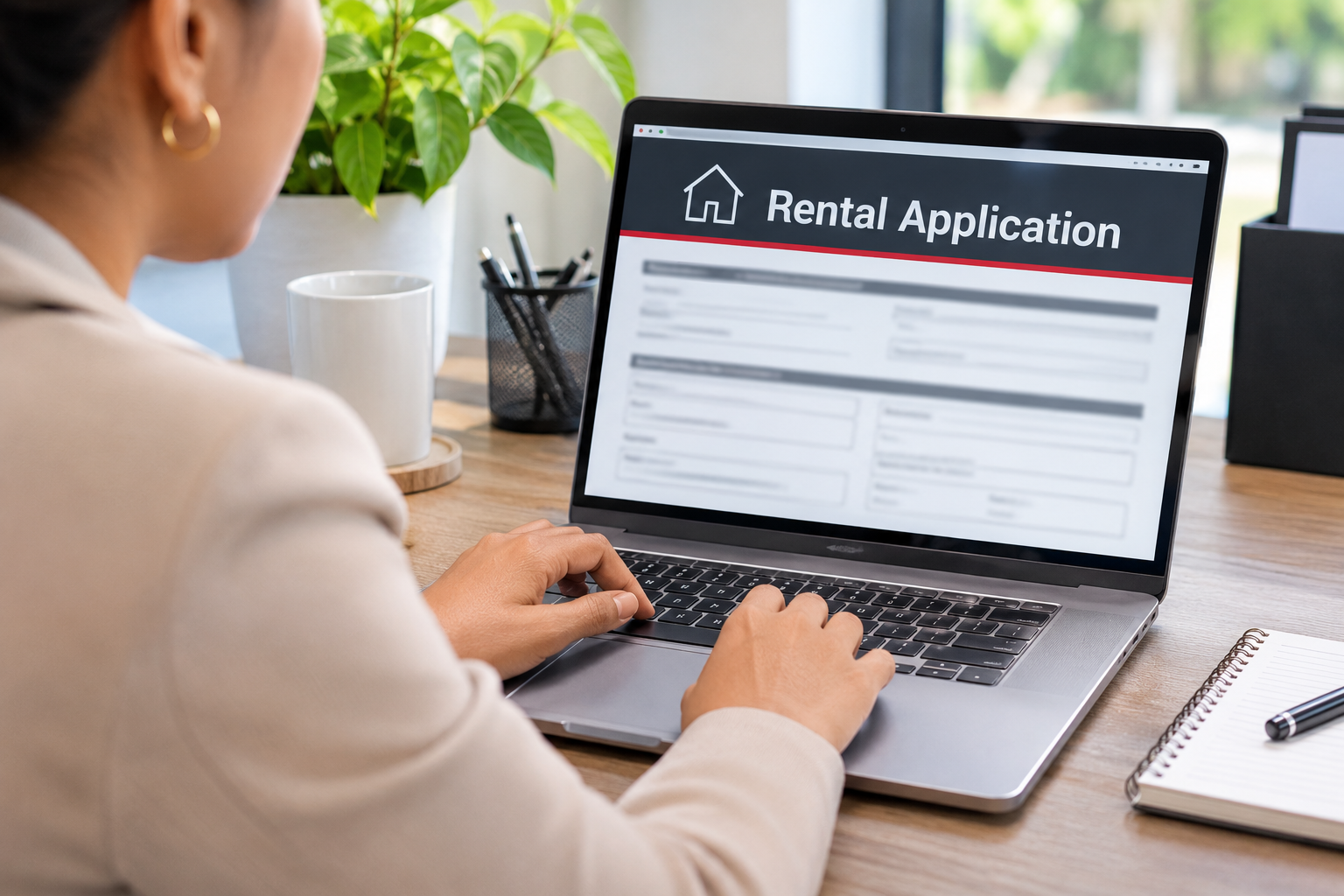
Tenant screening is one of the most important services a property manager provides. A poor screening process can contribute to delinquency, lease violations, turnover, property damage, and costly disputes. Ask for an explanation of the company's written rental criteria.
Depending on the circumstances and applicable law, the screening process may evaluate legitimate qualification factors such as:
Income
Credit history
Rental history
Prior landlord references
Eviction-related information when legally appropriate
Criminal history when handled consistently with applicable requirements
Ability to meet documented rental criteria
The key is having objective procedures and applying them consistently. Ask whether applicants receive qualification information before applying and how screening decisions are documented. A professional manager should be able to explain the screening process without relying on vague statements such as "we know a good tenant when we see one."
6. Confirm Strong Fair Housing Procedures
Fair housing compliance should be built into the management company's advertising, screening, communications, and leasing procedures. Virginia's protections extend beyond the basic federal categories. The Virginia Fair Housing Law protects against housing discrimination based on race, color, religion, national origin, sex, elderliness, familial status, source of funds, sexual orientation, gender identity, military status, or disability. Source of funds and military status are particularly important considerations for Virginia landlords. Virginia Beach is part of a region with a substantial military presence, making consistent and legally compliant procedures especially important when working with applicants connected to the armed forces.
Ask how the company handles:
Rental advertising
Application criteria
Property showings
Reasonable accommodation requests
Assistance-animal requests
Source-of-funds considerations
Tenant communications
Lease enforcement
Also ask whether property managers and leasing employees receive recurring fair housing training.
Fair housing compliance protects renters, but it also helps protect owners from unnecessary legal exposure.
7. Understand How Rent and Security Deposits Are Handled
A management company can handle significant amounts of money on behalf of owners and tenants. You should know exactly where those funds go. Virginia's Real Estate Board escrow regulations establish requirements concerning escrow accounts and funds handled by licensed real estate firms. For lease transactions, these rules address funds such as rent, rental security deposits, and application deposits.
Ask the company:
Where rental funds are deposited
How security deposits are handled
Who reconciles escrow accounts
When owners receive distributions
How management fees are deducted
How vendor invoices are processed
Whether owners can access transaction records
The company should be able to explain its accounting process clearly.
Know the Virginia Security Deposit Rules
Under Virginia Code § 55.1-1226, a landlord generally cannot demand a security deposit exceeding two months' periodic rent. The statute also establishes procedures for disposition of the deposit. Generally, the landlord must provide an itemized written notice of deductions and any amount due back to the tenant within 45 days after the tenancy terminates or the tenant vacates, whichever occurs last, subject to the statute's provisions. Ask your prospective manager how move-out inspections, damage documentation, deposit deductions, and deadlines are tracked.
8. Investigate the Maintenance Process
Maintenance is one of the areas where property management companies can differ significantly. Ask exactly what happens when a tenant reports:
A leaking pipe
No heat
HVAC problems
An appliance failure
Electrical issues
Water intrusion
Storm damage
Routine maintenance
You should know how requests are categorized and how emergency situations are handled outside normal business hours. Virginia landlords also have statutory maintenance responsibilities. Under Virginia Code § 55.1-1220, landlords have responsibilities related to maintaining fit premises, complying with applicable health and safety codes, making necessary repairs, maintaining certain systems and appliances, and addressing moisture and mold conditions. A reliable maintenance system can therefore support both property preservation and legal compliance.
Ask About the Repair Authorization Limit
Most property management agreements establish an amount the manager can spend on routine repairs without contacting the owner first. Ask:
What is the authorization limit?
When will I be contacted before a repair?
Are emergencies treated differently?
Are multiple estimates obtained for larger projects?
Do I receive copies of invoices?
Are maintenance markups or coordination fees charged?
Owners should understand these rules before an expensive repair occurs.
9. Review the Company's Vendor Network
A manager's contractor network can have a meaningful impact on your rental property. Virginia Beach landlords may regularly need contractors for:
HVAC
Plumbing
Electrical repairs
Roofing
Landscaping
Pest control
Painting
Flooring
Appliance repairs
Cleaning
Water intrusion
Drainage problems
Ask how vendors are selected and whether contractors carry appropriate licenses and insurance where required. You should also ask whether the management company receives maintenance markups, referral compensation, administrative fees, or other compensation connected with vendor work. Transparency matters. An effective property manager should balance cost with reliability, response time, workmanship, and the seriousness of the repair.
10. Find Out How Property Inspections Are Conducted
Property inspections can help owners identify maintenance needs before they become larger problems. Ask which inspections are included in your management plan.
Move-In Inspection
A move-in inspection documents property condition before occupancy and creates an important baseline.
Routine Inspection
A routine inspection can identify visible maintenance concerns or potential lease-related issues during the tenancy.
Move-Out Inspection
A move-out inspection compares the property's condition after possession is returned with prior documentation.
Exterior Inspection
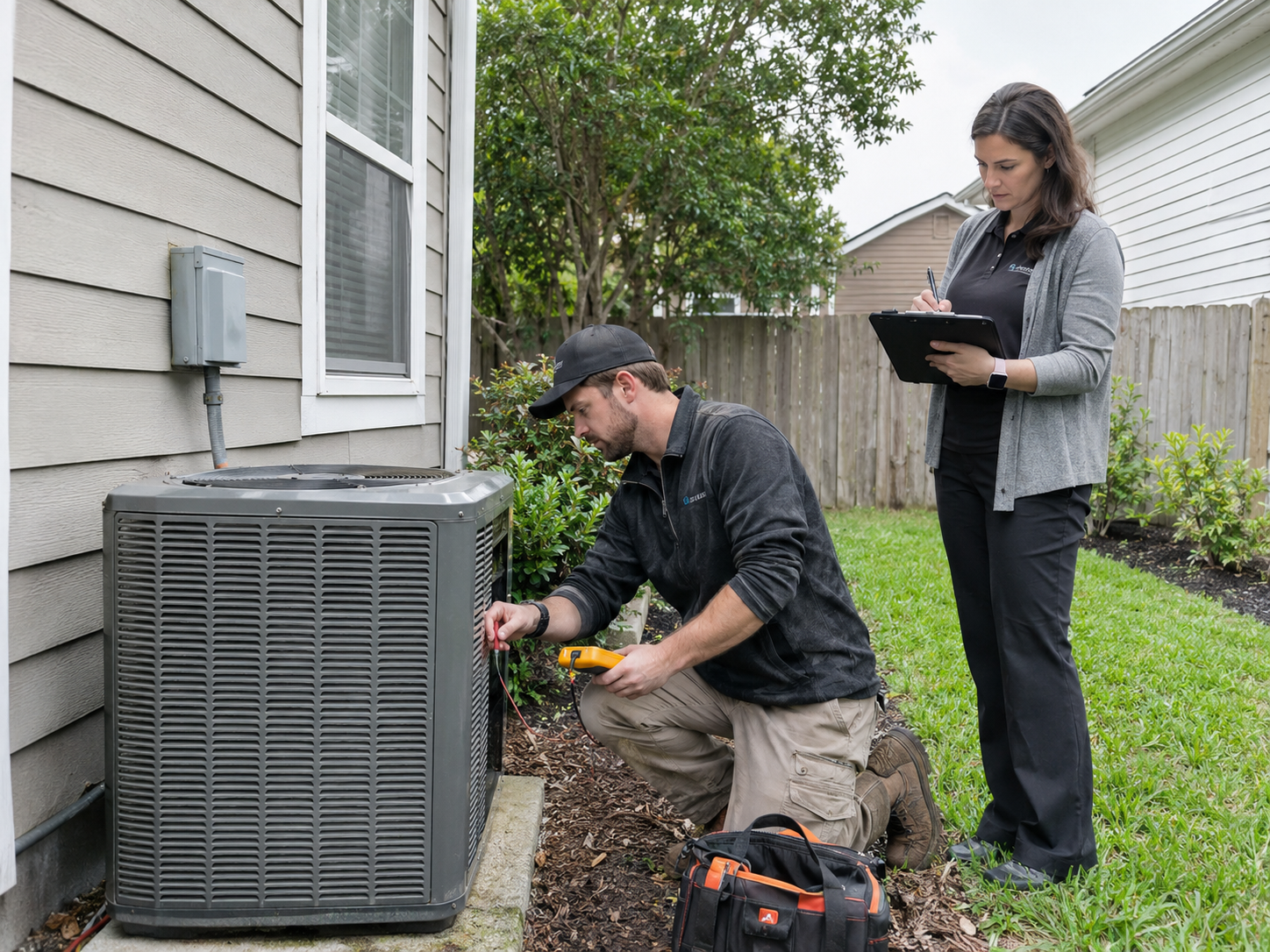
Exterior observations can help identify visible issues involving siding, roofing, landscaping, drainage, gutters, HVAC components, or other exterior features. Ask how frequently inspections occur and what documentation you will receive. Ideally, owners should receive an organized report with photographs rather than a short verbal summary.
For Coastal Virginia properties, inspections can also help identify moisture, drainage, HVAC, and exterior maintenance concerns that may become more expensive if overlooked.
11. Test Their Knowledge of the Virginia Beach Rental Market
Property management is intensely local. A company should understand not only Virginia law but also rental conditions in Virginia Beach and the surrounding Hampton Roads market. Virginia Beach includes many different property types and rental environments, including:
Single-family homes
Townhouses
Condominiums
Coastal properties
Suburban neighborhoods
Properties near major employment centers
Rentals convenient to military installations and regional transportation
Ask how the company determines a recommended rental rate. A strong rental analysis should consider:
Comparable active listings
Recently leased comparable properties when data is available
Property condition
Square footage
Bedroom and bathroom count
Amenities
Location
Current competition
Seasonal demand
Market response
Setting the highest possible asking rent is not always the best strategy. An overpriced property can sit vacant long enough to erase the benefit of a higher monthly rent.
12. Review the Rental Marketing Strategy
A rental property cannot generate income without a tenant. Ask where the property will be advertised and what the marketing package includes. Professional rental marketing should typically include:
Quality photographs
Accurate property information
Clear rental terms
Availability information
Fair-housing-compliant descriptions
Organized inquiry management
Convenient showing procedures
Ask how quickly marketing begins once the property is ready. You should also ask what happens when the listing is receiving views but few inquiries, or inquiries but few applications. A proactive manager should examine possible causes such as:
Rental price
Property condition
Photography
Listing presentation
Showing availability
Competing inventory
Applicant feedback
Property marketing should be monitored, not simply posted and forgotten.

13. Ask How the Company Works to Reduce Vacancy
Vacancy directly affects rental return. Consider a property renting for $2,400 per month. One full month of vacancy represents $2,400 in lost gross rent before considering mortgage payments, utilities, lawn care, insurance, maintenance, or turnover costs. Ask how the company handles the period leading up to lease expiration.
A good process may include:
Reviewing the existing lease
Contacting the owner about renewal
Evaluating current market rent
Communicating with the tenant within appropriate time frames
Planning necessary turnover work
Preparing updated marketing
Coordinating the move-out
Completing repairs and cleaning promptly
Beginning showings when appropriate
Screening applications consistently
Strong vacancy management is one reason service quality can matter more than choosing the lowest management fee.
14. Review Owner Statements and Financial Reporting
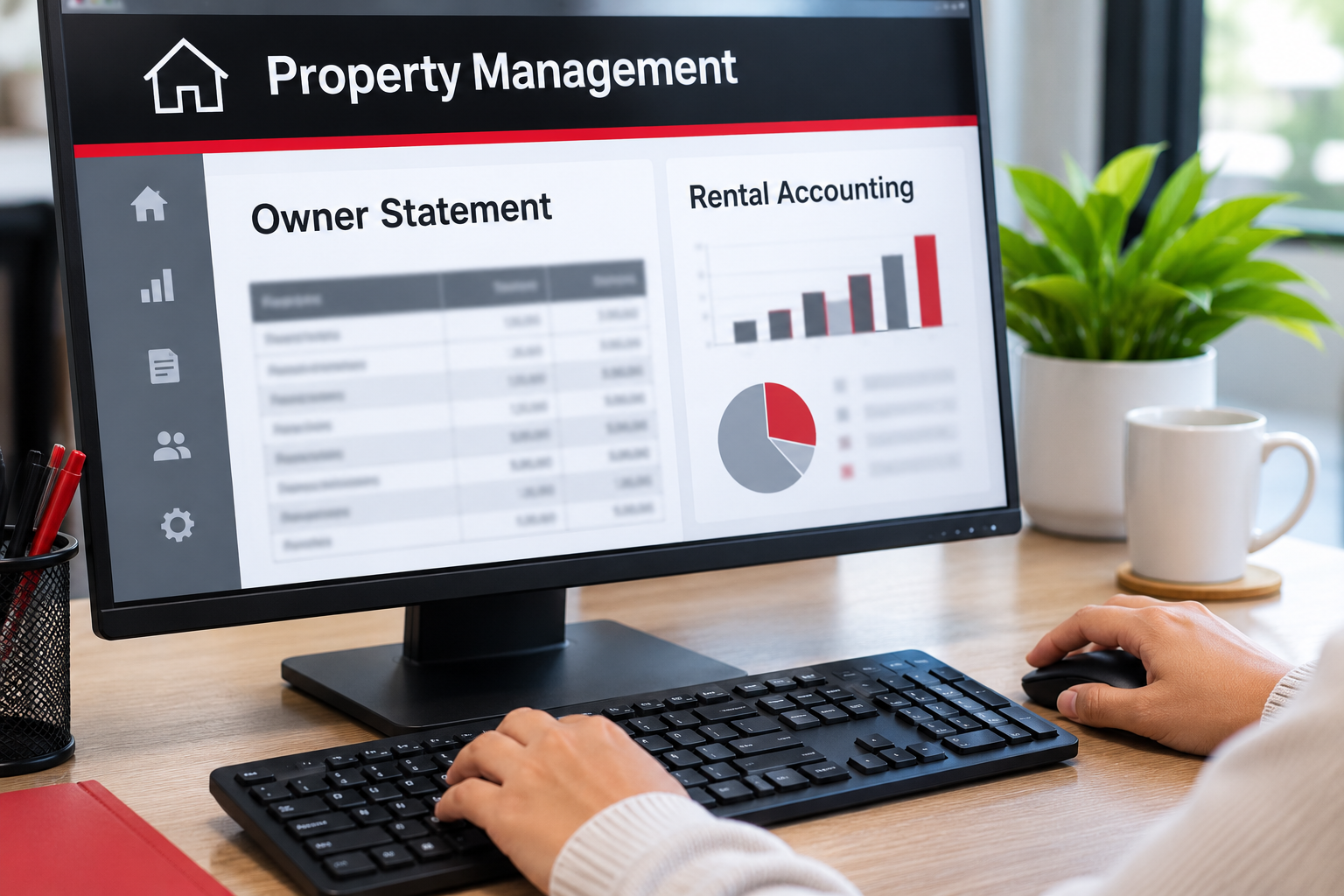
Landlords should have clear visibility into the financial activity of their property. Before signing, request a sample owner statement. It should make it easy to identify:
Rent collected
Management fees
Maintenance expenses
Vendor payments
Other charges
Owner distributions
Property income and expenses
Ask whether the company provides an owner portal and what documents will be available online. Depending on the company's system, this might include:
Monthly statements
Vendor invoices
Lease documents
Inspection reports
Tax-related documents
Maintenance history
For investors with multiple rental properties, organized reporting becomes even more important. Good management should make your records easier to understand, not harder.
15. Compare Communication Standards
Communication is one of the clearest indicators of how a management relationship may function. Ask:
Who will be my main contact?
How quickly are routine owner messages typically answered?
How are urgent matters communicated?
How often will I receive vacancy updates?
When will I be notified about repairs?
Who handles tenant questions?
How are major issues escalated?
Notice how the company communicates during your initial consultation.
- Are answers specific?
- Are fees explained clearly?
- Are questions answered directly?
- Do they follow up when promised?
The experience before signing a contract can provide useful insight into what future communication might look like.

16. Ask About Lease Renewals
Tenant retention can have a major impact on rental profitability. Turnover may involve:
Lost rent
Cleaning
Repairs
Painting
Marketing
Showing coordination
Leasing costs
Ask when the company begins evaluating renewals and how rental increases are recommended. A renewal analysis should consider:
Current rent
Comparable market rents
Tenant performance
Property condition
Maintenance history
Turnover costs
Owner objectives
The goal should not automatically be to maximize the rent increase. Sometimes retaining a reliable tenant at a competitive rate produces a better overall result than pushing rent to the highest possible level and creating avoidable turnover.
17. Understand How Late Rent and Lease Violations Are Managed
Ask about delinquency and lease enforcement before you have a problem. Find out how the company responds to:
Late rent
Returned payments
Unauthorized occupants
Documented lease violations
Property damage
Other tenant noncompliance
Procedures should be consistent with the lease and applicable Virginia law. Documentation is also important. A professional management company should maintain organized records of notices, payments, communications, maintenance requests, and other significant events during the tenancy.
18. Ask How Property Access Is Managed
Property managers may need access to an occupied rental for inspections, repairs, maintenance, or other lawful purposes. Virginia law establishes rules governing landlord access. Under Virginia Code § 55.1-1229, tenants generally cannot unreasonably withhold consent for certain legitimate access purposes, while landlords also have notice and reasonable-access responsibilities.
For routine maintenance that was not requested by the tenant, the law generally calls for at least 72 hours' notice unless giving that notice is impractical. Different rules apply in certain circumstances, including emergencies and tenant-requested maintenance. Ask how the manager schedules, communicates, and documents property entry. Clear procedures help protect tenant privacy while allowing necessary property management work to be completed.
19. Consider Coastal Virginia Property Experience
Virginia Beach properties can present maintenance considerations associated with the Coastal Virginia environment. Depending on a property's location and design, issues may include:
Heavy rain
Drainage
Humidity
Moisture
Coastal weather
HVAC demand
Wind exposure
Flood risk
Exterior deterioration
Not every property experiences these risks equally, but local experience can help a manager recognize potential problems. For properties where flood exposure is a concern, owners can research the property through FEMA's official Flood Map Service Center. A property manager should not replace a flood insurance specialist, engineer, inspector, or insurance professional, but local experience can help owners identify when specialized advice may be appropriate.

20. Check Reviews, but Look for Patterns
Online reviews can provide useful information, but they require context. Property management involves situations in which owners, tenants, vendors, and managers may disagree about repairs, lease enforcement, rent, deposits, or property condition.
Rather than making a decision based on one review, look for repeated patterns involving:
Communication
Responsiveness
Maintenance
Accounting
Professionalism
Organization
Leasing procedures
Then ask the company specific questions based on what you find. A detailed explanation of its processes can be more valuable than a star rating by itself.
21. Understand Insurance and Risk Procedures
Ask the management company how it handles serious incidents. Examples include:
Major water leaks
Storm damage
Fire
HVAC failure
Electrical problems
Significant property damage
Find out:
Who tenants contact after hours
Who determines whether something is an emergency
How quickly owners are notified
How damage is documented
How vendors are dispatched
What information is provided for potential insurance claims
Owners should separately review their rental-property insurance with an appropriately licensed insurance professional.
Property management and insurance are different services, but a good property manager should have an organized response procedure when something goes wrong.
22. Know How You Can End the Management Relationship
Owners often spend significant time evaluating how a management relationship begins but very little time evaluating how it can end. Read the termination provisions before signing. Ask:
How much notice is required?
Are termination fees charged?
What happens to tenant records?
How are keys transferred?
How are security deposits handled?
How are remaining owner funds distributed?
What happens to pending maintenance?
Who notifies the tenant of the management change?
Virginia law contains specific rules affecting property management agreements and funds handled by licensed managing agents. An orderly transition process can prevent unnecessary confusion for the landlord, tenant, and incoming manager.
2026 Virginia Beach Property Management Checklist
Use this checklist when comparing companies.
Licensing and Compliance
☐ Virginia real estate licensing verified
☐ Principal or supervising broker identified
☐ Written property management agreement provided
☐ Virginia landlord-tenant procedures explained
☐ Fair housing procedures reviewed
☐ Escrow and tenant-fund handling explained
Leasing and Marketing
☐ Rental pricing process explained
☐ Marketing strategy reviewed
☐ Photography standards reviewed
☐ Showing process explained
☐ Written screening criteria reviewed
☐ Lease preparation included
Property Management
☐ Rent collection process reviewed
☐ Maintenance system explained
☐ Emergency procedures confirmed
☐ Repair authorization limit understood
☐ Inspection frequency confirmed
☐ Vendor selection process explained
☐ Lease renewal process reviewed
Financial Management
☐ Complete fee schedule received
☐ Sample owner statement reviewed
☐ Owner distribution schedule confirmed
☐ Vendor invoices available
☐ Security deposit procedures explained
☐ Online owner portal reviewed
Communication
☐ Main property management contact identified
☐ Expected response time discussed
☐ Vacancy reporting process explained
☐ Major repair notification process reviewed
Ending Management
☐ Termination provisions understood
☐ Termination fees identified
☐ Record-transfer process explained
☐ Tenant-fund transfer process reviewed
☐ Final accounting procedures confirmed
Questions to Ask a Virginia Beach Property Management Company
When interviewing companies, use the same questions so you can compare their responses fairly.
Is your firm properly licensed to provide these services in Virginia?
Who is the principal or supervising broker?
How many properties does your company manage?
What property types do you specialize in?
What is included in the monthly management fee?
What additional fees could I pay?
How do you determine rental pricing?
Where do you advertise available properties?
What are your written tenant-screening criteria?
How do you maintain fair housing compliance?
How are rental payments and security deposits handled?
How do tenants submit maintenance requests?
How are after-hours emergencies handled?
What is the repair authorization limit?
How are vendors selected?
How often do you inspect rental properties?
What reports will I receive?
When do you begin discussing lease renewals?
How do you handle late rent and documented lease violations?
Who will be my primary point of contact?
How frequently will I receive updates while the property is vacant?
What happens if I decide to terminate the management agreement?
The answers should be specific, organized, and easy to understand.
Final Takeaway
Choosing a property management company in Virginia Beach should involve much more than comparing monthly management percentages. The company you hire may be responsible for marketing your rental, interacting with applicants and tenants, collecting money, coordinating repairs, documenting property condition, handling lease renewals, managing security deposit procedures, and keeping you informed about an asset that may represent a significant portion of your investment portfolio.
Look for a company that combines local Virginia Beach market knowledge with strong systems for tenant screening, fair housing compliance, maintenance coordination, inspections, accounting, documentation, communication, and Virginia landlord-tenant compliance.
Most importantly, ask questions before signing. A strong property management company should be able to explain exactly how it operates, what it charges, who is responsible for your property, how tenant and owner funds are handled, and what you can expect throughout the management relationship.
For landlords and investors in Virginia Beach and the broader Hampton Roads area, Abrams Realty provides professional property management services designed to help owners manage rental properties with organized systems, local market knowledge, and ongoing support.
Choosing the right property management partner can help reduce the day-to-day burden of rental ownership while giving you better visibility into your property's condition, tenancy, expenses, and overall performance.