

Key Takeaways
Self-managing a rental property in Virginia can save management fees, but it requires time, legal knowledge, and consistent involvement.
Virginia’s rental laws in 2026, especially the Virginia Residential Landlord and Tenant Act, place clear obligations on landlords related to habitability, repairs, deposits, and tenant rights.
Professional property managers help landlords stay compliant with licensing requirements and evolving regulations.
Hiring a property manager can reduce risk, improve tenant screening, and streamline rent collection and maintenance.
The best choice depends on the size of your portfolio, your availability, and how comfortable you are handling legal and operational responsibilities.
Owning rental property in Virginia continues to be an attractive investment in 2026. The state’s growing population, strong rental demand in cities like Richmond, Virginia Beach, and Northern Virginia, and relatively landlord-friendly regulations make it a stable market for investors.
However, being a landlord today involves more than simply collecting rent each month. Rental laws, tenant expectations, and operational responsibilities have evolved. Property owners must manage leases, maintenance, compliance, tenant screening, and financial reporting.
This leads many landlords to ask a crucial question: Should you manage your rental property yourself, or hire a professional property manager?
Both options have advantages and challenges. Understanding how each approach works, especially within Virginia’s legal framework, can help you determine which option best supports your investment goals.
Understanding Property Management in Virginia
Before choosing how to manage your rental property, it is important to understand the legal responsibilities landlords must follow in Virginia.
Most rental housing in the state falls under the Virginia Residential Landlord and Tenant Act (VRLTA), which outlines the obligations and rights of both landlords and tenants.
https://law.lis.virginia.gov/vacode/title55.1/chapter12/
Under the VRLTA, landlords must maintain rental properties in safe and habitable condition. This includes ensuring working plumbing, heating, electrical systems, and maintaining structural integrity.
Landlords must also comply with rules regarding:
Security deposits
Lease agreements
Entry notices
Repairs and maintenance
Fair housing protections
For example, Virginia law allows landlords to collect up to two months’ rent as a security deposit, and the deposit must generally be returned within 45 days after the tenant moves out.
https://ipropertymanagement.com/laws/virginia-landlord-tenant-rights
Failure to follow these rules can lead to legal disputes or financial penalties.
Because these responsibilities can be complex, many property owners consider professional management services to ensure compliance.
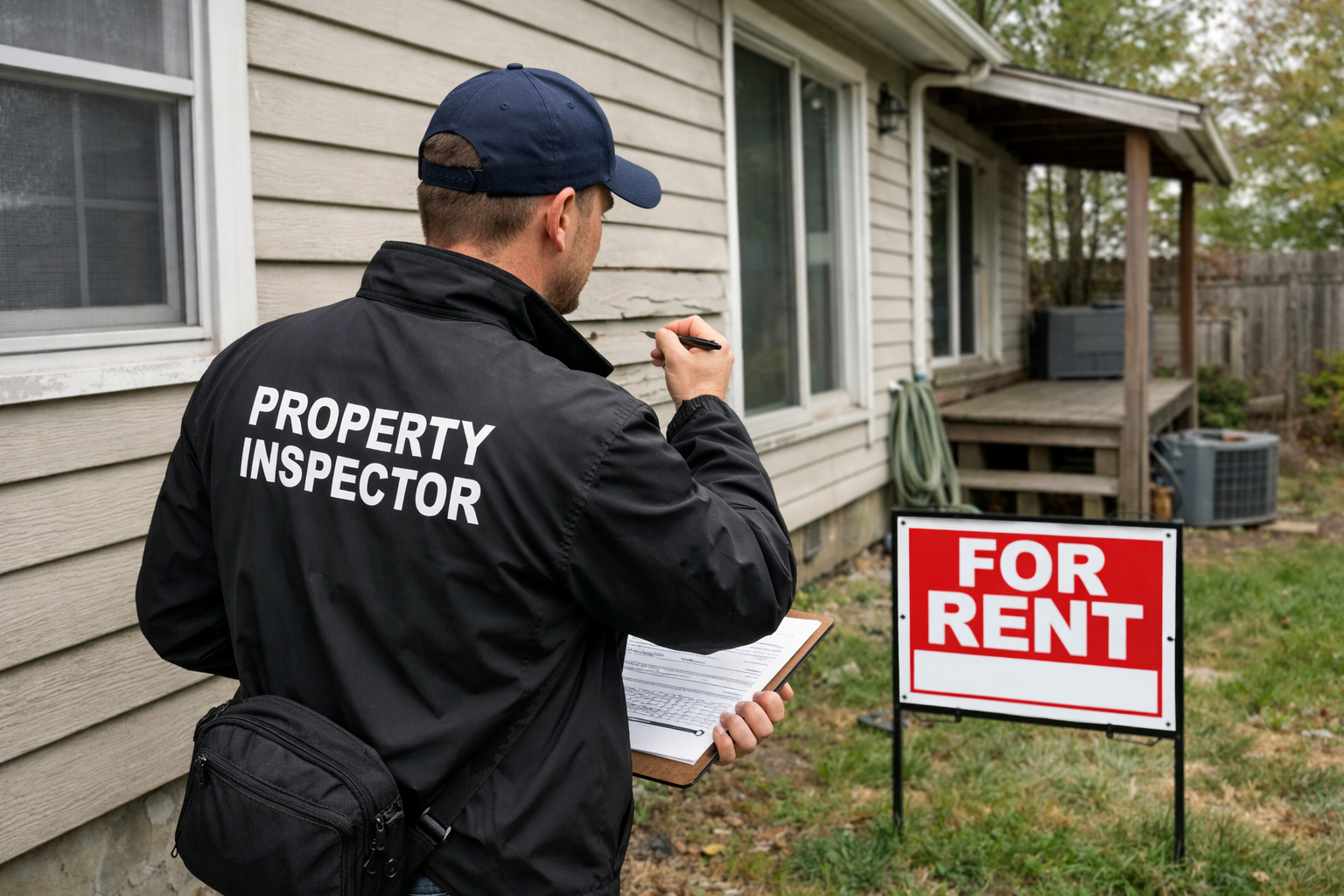
Option 1: Self-Managing Your Rental Property
Self-management means the landlord personally handles every aspect of the rental process.
This approach is common for owners with one or two properties who want direct involvement in their investment.
Advantages of Self-Managing
Lower Operating Costs
One of the biggest reasons landlords choose to self-manage is to avoid property management fees.
Professional property managers usually charge 8 percent to 12 percent of monthly rent.
For example:
Monthly rent: $2,000
Management fee: 10 percent
Monthly cost: $200
That adds up to $2,400 annually.
For landlords comfortable handling the responsibilities themselves, these savings can increase overall profitability.
Direct Control Over Your Investment
Self-management allows landlords to make all decisions regarding their property.
This includes:
Selecting tenants
Setting rental prices
Approving repairs
Managing lease terms
For some investors, maintaining full control provides peace of mind and allows them to protect their property exactly as they prefer.
Closer Relationships With Tenants
When landlords communicate directly with tenants, relationships can become more personal.
Tenants may appreciate quick responses and the ability to deal directly with the property owner instead of going through a management company.
Stronger relationships sometimes lead to longer tenancy periods and reduced turnover.
Challenges of Self-Managing
While self-management has benefits, it also requires significant responsibility.
Legal Compliance
Virginia landlords must stay informed about changing regulations, including those related to tenant protections, property maintenance, and fair housing.
Helpful regulatory resource:
https://www.dpor.virginia.gov/Boards/Real-Estate
For example, landlords must provide proper notice before entering a rental property for non-emergency situations. Following these procedures protects tenant privacy and prevents disputes.
Keeping up with evolving laws can be difficult without professional experience.

Maintenance Responsibilities
Under Virginia law, landlords must maintain rental properties so they remain safe and livable.
This means addressing issues involving:
Plumbing systems
Heating and cooling
Structural safety
Electrical systems
Unexpected repairs can occur at any time, including evenings and weekends. Without a network of reliable contractors, handling maintenance can become stressful.
Time Commitment
Managing a rental property involves many tasks beyond collecting rent.
Typical responsibilities include:
Marketing vacancies
Screening tenants
Managing lease agreements
Handling late payments
Scheduling maintenance
Maintaining financial records
For landlords with busy schedules or multiple properties, these tasks can quickly become overwhelming.
Option 2: Hiring a Property Manager
Professional property management companies oversee the daily operations of rental properties on behalf of owners.
In Virginia, individuals managing property for others typically must hold a real estate broker’s license or work under one, regulated by the Virginia Real Estate Board.
https://www.dpor.virginia.gov/Boards/Real-Estate
This licensing requirement ensures that property managers understand leasing regulations, tenant rights, and property management standards.
Advantages of Hiring a Property Manager
Expert Knowledge of Laws and Regulations
Experienced property managers stay current on federal, state, and local regulations affecting rental housing.
This includes compliance with:
The Virginia Residential Landlord and Tenant Act
The Fair Housing Act
Local housing codes
More information about fair housing protections is available here:
https://www.hud.gov/program_offices/fair_housing_equal_opp
Professional managers help landlords avoid costly mistakes and ensure leases and procedures comply with the law.
Professional Tenant Screening
Tenant screening is one of the most critical steps in rental property management.
Property managers typically perform:
Credit checks
Criminal background checks
Employment verification
Rental history reviews
Better screening reduces the risk of late payments, property damage, and eviction.
Reliable Rent Collection
Property management companies usually offer digital payment platforms for tenants.
These systems help landlords by providing:
Automated rent reminders
Online payment options
Faster deposits
Detailed financial reporting
Consistent rent collection helps protect monthly cash flow.
Maintenance Coordination
Professional property managers typically maintain relationships with licensed contractors and service providers.
This allows them to:
Respond quickly to maintenance requests
Schedule repairs efficiently
Monitor preventative maintenance
Prompt maintenance keeps tenants satisfied and protects the long-term value of the property.
Potential Drawbacks of Property Management
Despite its benefits, hiring a property manager is not always the right choice for every landlord.
Management Fees
Property management companies typically charge:
Monthly management fees
Leasing or tenant placement fees
Lease renewal fees
Maintenance coordination fees
These expenses can reduce profit margins, especially for landlords with smaller rental portfolios.
Reduced Direct Involvement
Some landlords prefer direct involvement with their properties.
When hiring a property manager, the owner delegates operational decisions. While reputable managers provide regular updates, owners may feel less connected to day-to-day activities.
Choosing the right management company is essential to maintaining trust and transparency.
Important Legal Considerations for Virginia Landlords in 2026
Whether you self-manage or hire a professional manager, understanding Virginia’s rental laws remains essential.
Habitability Standards
Virginia landlords must maintain rental properties in safe and livable condition.
https://law.lis.virginia.gov/vacode/title55.1/chapter12/
This includes maintaining:
Structural safety
Heating systems
Plumbing
Electrical systems
Smoke detectors
Failing to maintain safe housing conditions could expose landlords to legal claims.
Security Deposit Rules
Virginia law limits security deposits to two months’ rent, and landlords must generally return deposits within 45 days after the lease ends.
https://ipropertymanagement.com/laws/virginia-landlord-tenant-rights
Landlords must also provide itemized deductions if any portion of the deposit is withheld.
Rent Control in Virginia
Virginia does not allow statewide or local rent control, giving landlords flexibility when setting rental prices.
https://ipropertymanagement.com/laws/virginia-landlord-tenant-rights
This flexibility helps property owners adjust rental rates according to market demand.
When Self-Management Makes Sense
Self-managing a rental property may work well if:
You own only one or two rental properties
You live close to the property
You have time to manage tenant communication and maintenance
You understand landlord-tenant regulations
You prefer direct oversight of operations
Many investors begin their real estate journey by self-managing before expanding their portfolio.
When Hiring a Property Manager Is the Better Choice
Professional management may be the better option if:
You own multiple rental properties
You live far from the rental property
You want a more passive investment experience
You prefer professional handling of tenant issues
You want help navigating regulatory compliance
Experienced managers can help maximize rental income while reducing the operational burden on property owners.
How Abrams Realty Helps Virginia Property Owners Succeed
For many landlords, the ideal solution is partnering with an experienced property management company that understands the local market and regulatory landscape.
At Abrams Realty, we help Virginia property owners simplify rental management while protecting their investments.
Our property management services include:
Professional tenant screening
Lease preparation and compliance
Rent collection and financial reporting
Maintenance coordination
Property inspections
Vacancy marketing and tenant placement
Our team understands Virginia’s landlord-tenant laws and works to ensure your property remains compliant, profitable, and well maintained.
Whether you own a single rental property or a growing portfolio, professional management can reduce stress and help you focus on expanding your investment strategy.
If you are considering professional property management in Virginia, Abrams Realty can help guide you through the process and manage your property with expertise and care.
Final Thoughts
Managing rental property in Virginia in 2026 requires careful attention to legal compliance, tenant relationships, and property maintenance.
Self-management can work well for landlords who want hands-on involvement and have the time to manage the responsibilities. However, as rental portfolios grow or regulations become more complex, many property owners choose professional property management for efficiency and peace of mind.
Ultimately, the best decision depends on your investment goals, availability, and experience.
If you want to reduce risk, save time, and ensure your rental property operates smoothly, partnering with an experienced management company can make a significant difference.
Abrams Realty is proud to help Virginia property owners maximize the value of their rental investments through professional property management and local expertise.