
Key Takeaways
Know local residential parking permits and how to apply for them to avoid ticketing or towing. Residential Parking – City of Norfolk, VA Official Site
Explore garage and lot options throughout Norfolk with public and private parking infrastructure. Parking Garages & Lots – City of Norfolk, Official Site
Understand on-street parking rules, meter hours and fees to plan daily parking needs. Parking and Transportation in Downtown Norfolk, VA (Downtown Norfolk.org)
Review Norfolk City Ordinances on parking and vehicle restrictions to comply with legal requirements on public streets. Norfolk Parking Code of Ordinances (Municode Library)
Consider monthly and alternative parking options like commercial garages or private lots when renting without dedicated spaces. (Neighbor monthly options) Monthly Parking in Norfolk, VA – Neighbor.com
Introduction
If you are planning to rent a home or apartment in Norfolk, Virginia in 2026, understanding parking can save you time, money, and stress. Parking rules in Norfolk differ depending on where you live and how you park your vehicle. From residential permit parking to downtown garages and standard street parking regulations, tenants should know their options and responsibilities before signing a lease. This guide helps renters understand what to look for in rental listings, how to navigate Norfolk’s parking systems, and how to avoid citations or towing.
Why Parking Matters for Norfolk Renters

Parking isn’t just about convenience. It is a legal matter. In Norfolk, public streets, private lots, and residential zones often have specific rules that affect tenants. Whether you are moving into a historic neighborhood, near Old Dominion University, or a downtown apartment, being informed helps you secure parking that fits your daily routine and budget.
Residential Parking Permits in Norfolk
What They Are and Where They Apply
In several Norfolk neighborhoods, especially those with limited street space, the city designates Residential Parking Permit (RPP) Zones. These zones restrict parking to residents and their visitors during certain hours. Permits help keep street parking available for residents and manage traffic congestion.
These zones include areas such as:
East Freemason Street Zone
Old Dominion University (ODU) Village Zone
Willoughby and Ghent neighborhoods
Waterside and other residential districts
These zones are defined in City ordinances and may expand as neighborhoods request permit parking via community association advocacy.
How to Apply for a Residential Permit
Norfolk’s Residential Parking Permit program makes applications available online. Residents with qualifying addresses can register their vehicle(s) using the city’s parking portal. Norfolk Parking Portal (Apply/Manage Permits)
Requirements typically include:
Proof of residency (lease or utility bill).
Valid vehicle registration.
Valid driver’s license.
Visitor permits may be available, usually in paper form placed on the dashboard, and additional paid temporary permits are available for guests.
Tip: Always check if your rental falls within a permit zone before moving in. This could save you a daily ticket or towing fees.
Costs and Permit Types
Permit costs vary by season and permit type. A permanent RPP pass is often tied to your license plate, and visitor passes are offered yearly with an option for additional 30-day visitor passes at minimal cost.
Understanding pricing helps tenants budget for parking when negotiating lease terms.
Garage Parking Options in Norfolk
Public Garages Operated by the City
Norfolk maintains a robust network of parking garages and lots across the city. These provide structured, often safer alternatives to street parking, especially useful for downtown residents and commuters.
The city lists garages and lots on its official site where you can view maps and details about each facility. Parking Garages & Lots – City of Norfolk, Official Site
Key public garages include:
Town Point Garage
Waterside Garage
MacArthur Center Garage
Bank Street Garage
Garage parking typically requires payment either via mobile pay, at kiosks, or using electronic access cards for monthly users.
Monthly Parking Agreements
If your rental does not include a dedicated parking space, consider a monthly parking agreement in a public garage or lot. Norfolk’s Monthly Parking program provides electronic access cards and bar-coded permits allowing flexible, secure access to garage spaces.
Benefits:
Guaranteed space availability
Weather-protected parking
Increased security
Ask landlords about partnerships with nearby garages or negotiate parking reimbursements as part of your lease.
Private and Commercial Parking Options
Private garages and commercial parking lots often offer monthly or long-term rental options that may be cheaper or located closer to your home than city facilities. Websites with monthly parking listings allow you to reserve spaces in private lots and driveways if needed. Monthly Parking in Norfolk, VA – Neighbor.com
When considering a private lot:
Confirm safety and lighting
Check access hours
Understand any security provisions
On-Street Parking Rules and Regulations
Hours and Metered Parking
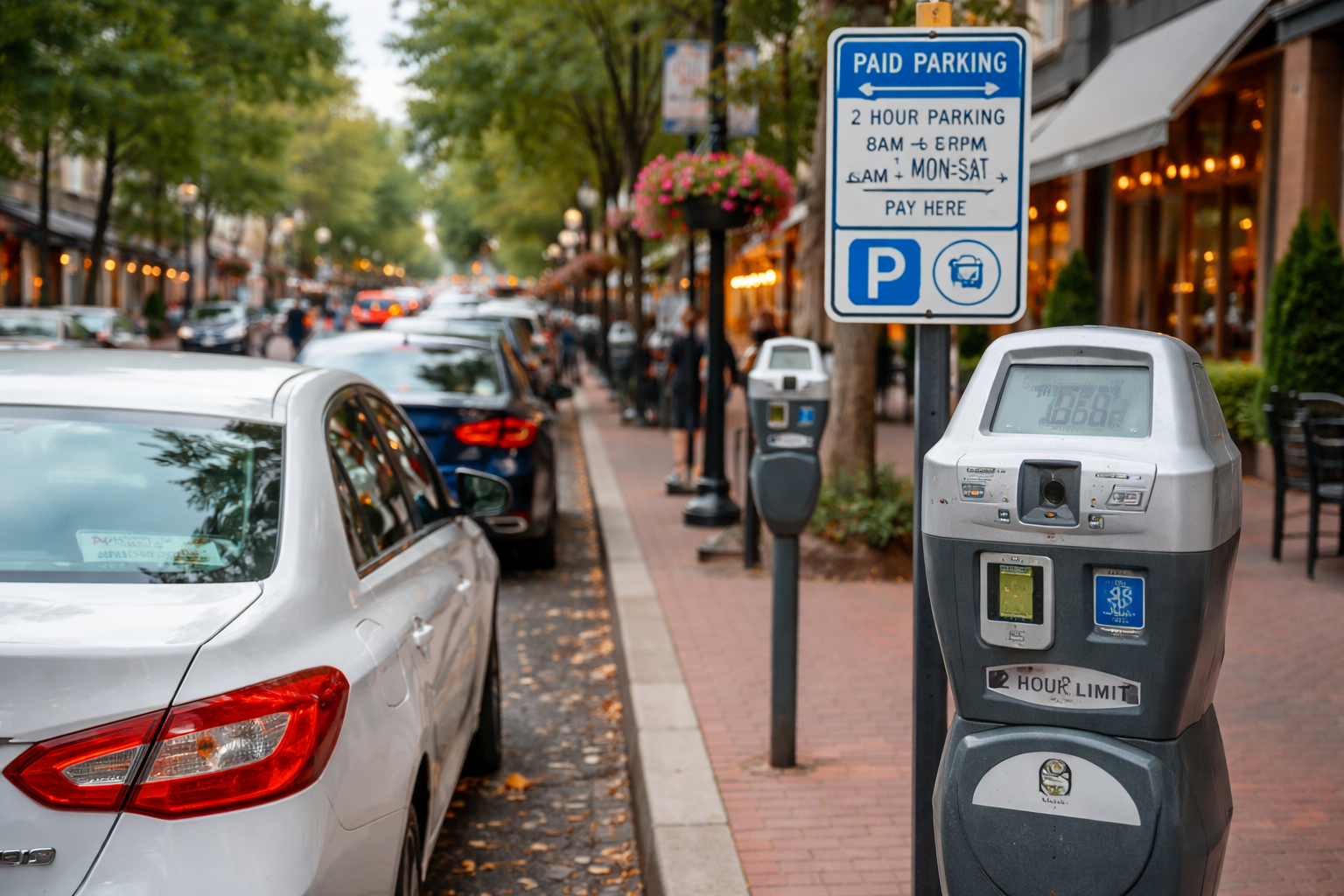
Norfolk enforces street parking rules through meters and signs. Metered spaces generally operate weekdays and Saturdays in business districts and may have time limits. In many cases, meters are free after specific hours or on Sundays.
Always read posted signs carefully. Violations can result in parking tickets or towing.
Parking Code and Legal Restrictions
The City of Norfolk’s ordinances outline parking conduct on public streets. These rules cover everything from where you can park to behaviors like blocking driveways or parking oversized vehicles. Norfolk Parking Code of Ordinances (Municode Library)
As a tenant, you should:
Observe posted no-parking signs.
Keep vehicles aligned with curbs.
Maintain valid state inspection and registration to avoid infractions.
Tips for Renters When Touring Properties
Check Parking Details in Listings
When reviewing a rental listing:
Ask if a parking permit is included.
Confirm whether there is assigned parking.
Check if street parking nearby is restricted or permit only.
Review garage access and fees.
Ask the Landlord or Property Manager
Clarify whether parking spaces are deeded, shared, or first-come first-serve. If your building offers garage parking, get details on the cost, process to reserve a space, and any separate agreements.
Neighborhood Differences
Each Norfolk neighborhood varies. Downtown areas may have more garages but stricter meter enforcement, while residential districts often implement permit parking to manage local demand. Research local parking conditions as part of your decision process.
Final Thoughts
Parking is a critical factor when renting in Norfolk, Virginia in 2026. Understanding residential permits, garage options, and on-street parking rules helps tenants avoid fines and enjoy the convenience they deserve. Whether your rental includes dedicated parking or not, planning ahead ensures you find a solution that supports your daily life.
Have a question about your specific rental situation? Ask your local property manager or visit the City of Norfolk’s official parking information pages to stay current with rules and requirements.