
Key Takeaways
Landlords in Virginia are legally required to maintain fit and habitable rental properties, which generally includes pest control for infestations not caused by tenant negligence.
Tenants also have obligations: they must keep living areas clean, report pest issues promptly, and may be responsible if their actions directly cause an infestation.
State law requires landlords to provide written notice before applying pesticides or insecticides in a unit, usually at least 48 hours in advance.
Termites are a particularly significant concern in Virginia due to the climate and soil conditions, and proactive inspections and prevention are essential.
Effective pest management in rentals often combines prevention, rapid response, and collaboration between property owners and tenants.
Introduction
Managing pest control in rental properties is a critical responsibility for landlords and property managers in Virginia. From roaches and ants to termites that can cause structural damage, pests present both health hazards and legal obligations under state law. The Virginia Residential Landlord and Tenant Act (VRLTA) outlines duties for both landlords and tenants to ensure safe and habitable living conditions. Understanding these responsibilities, local challenges, and effective management strategies is vital for protecting occupants, preserving property value, and complying with Virginia laws in 2026.
Understanding Legal Responsibilities in Virginia
Landlord Duties Under Virginia Law
Under the Virginia Residential Landlord and Tenant Act, landlords must maintain rental properties in a fit and habitable condition according to state building and health codes. This broadly includes controlling or eliminating pest infestations that threaten habitability. Positive pest control outcomes not only reflect good management but also help comply with Virginia Code § 55.1-1220’s mandate to keep premises safe and habitable. Virginia Residential Landlord and Tenant Act text (official code)
Habitability Includes Pest-Free Living Spaces
Recent court decisions reaffirm that pest infestations are part of what it means for a dwelling to be habitable. Landlords cannot shift this ultimate duty entirely onto tenants, even via lease clauses. Courts have held that landlords must address serious pest problems that make units unlivable. Virginia REALTORS® summary of landlord responsibilities and liability
Tenant Obligations
Tenants also have legal duties under Virginia Code § 55.1-1227. These include maintaining their occupied areas in a clean, safe condition, keeping living spaces free from insects and pests, and promptly notifying landlords if pests are present. Failure to do so can affect who bears responsibility for pest control costs. Virginia Code: Tenant maintenance obligations
Notice for Pest Treatments
State law requires landlords to give tenants advance written notice usually 48 hours before applying pesticides or insecticides in a dwelling unit, unless the tenant agrees to a shorter period. This protects tenant safety and ensures compliance with Virginia Code § 55.1-1223. Virginia Code: Notice requirements for pesticide use
Common Rental Pests in Virginia and How to Manage Them
Roaches
Challenges with Roach Infestations
Roaches thrive in warm, humid climates like those in Virginia’s cities. They are attracted by food sources, moisture leaks, and clutter. Roaches can carry disease and allergens, making quick pest control essential. Property managers should coordinate professional extermination services promptly once a problem is identified.
Prevention Tips for Landlords and Tenants
Seal cracks and entry points around the unit.
Fix plumbing leaks and eliminate standing water.
Encourage tenants to keep kitchens clean and food stored securely.
Inspect and treat common areas proactively.
Ants
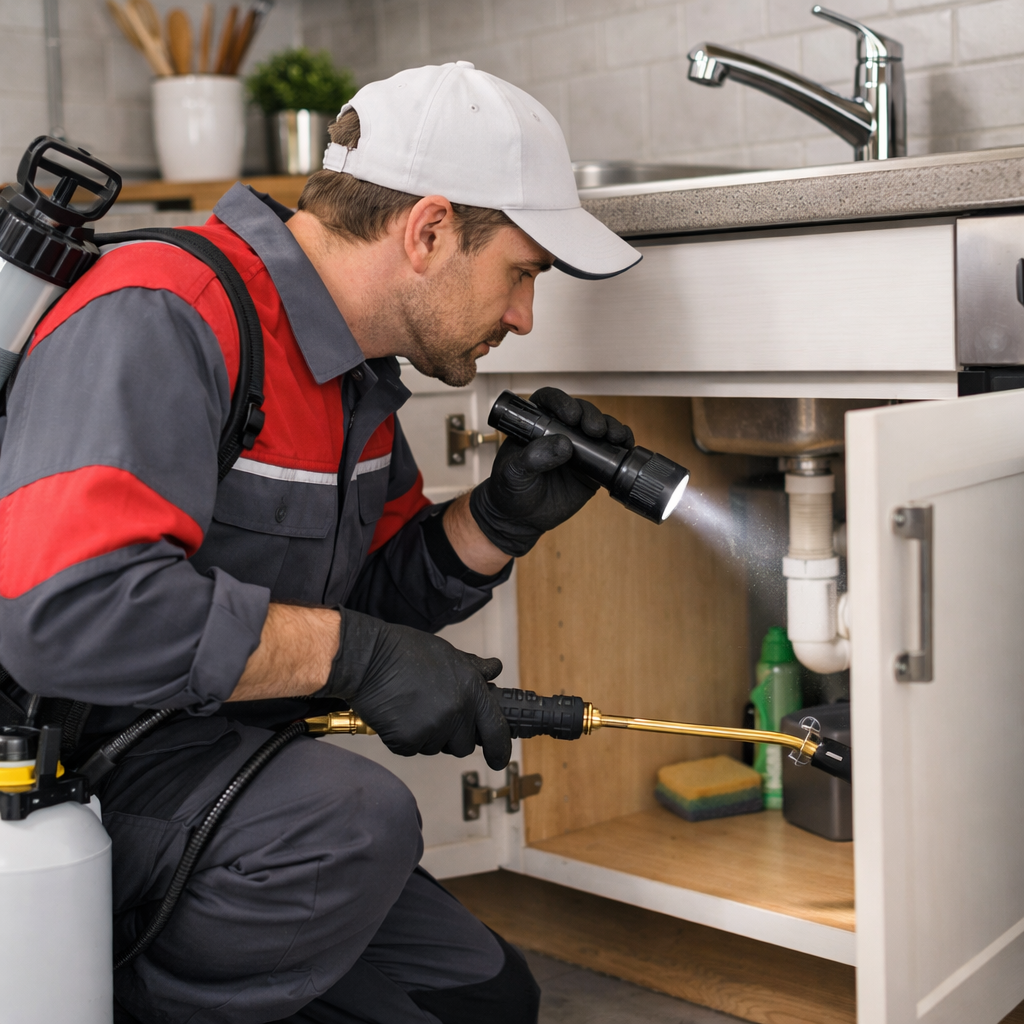
Ants often enter through tiny cracks and thrive in warm weather. Some species like carpenter ants can damage wood, making inspections and sealing entry points crucial.
Best Practices
Use bait and professional treatments for active infestations.
Keep exterior doors and windows sealed and maintained.
Ensure proper sanitation and eliminate food residue.
Termites: A Silent Threat in Virginia Rentals
Why Termites Matter in Virginia
Termites are a serious issue in Virginia because the humidity and climate support large termite populations, especially Eastern subterranean termites. They feed on wood and can cause extensive structural damage before symptoms are obvious. Termite identification and risks in Virginia climate
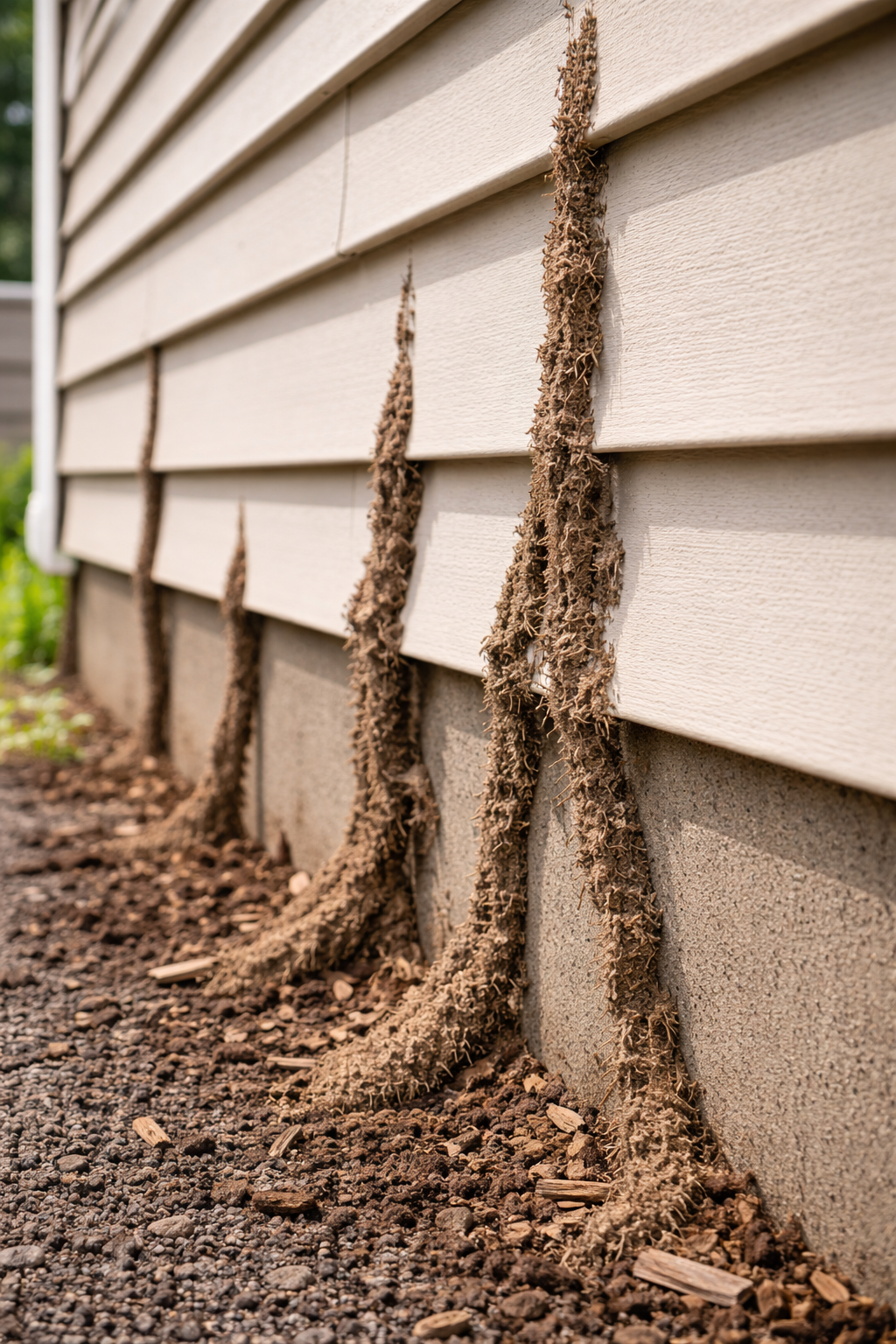
Key Signs of Termite Activity
Mud tubes on exterior walls or foundations
Hollow-sounding wood
Discarded termite wings
Bubbling paint or tight-fitting doors and windows
Preventing Termite Problems
Regular inspections by a licensed pest control expert are vital. Landlords should consider:
Treating soil barriers around foundations.
Keeping wood debris and firewood away from buildings.
Managing moisture around properties to reduce termite appeal.
Termite inspections and preventative treatments can save thousands in structural repairs.
Best Practices for Pest Management in Virginia Rentals
Proactive Inspections and Documentation
Regular inspections help catch problems early. Require tenants to report signs of pests in writing and keep dated documentation of all communications and treatments.
Professional Pest Control Services
Hiring licensed pest control professionals ensures treatments comply with Virginia regulations and health standards. Providers must be licensed by the Virginia Department of Agriculture and Consumer Services (VDACS), which oversees pesticide use and applicator certification. Virginia Department of Agriculture and Consumer Services official site
Education and Collaboration
Educate tenants about sanitation, reporting procedures, and preparation for treatments. Cooperation reduces infestations and clarifies responsibilities, especially regarding tenant-caused issues.
Handling Disputes and Non-Compliance
If a landlord fails to remedy a significant pest problem that affects habitability, tenants may pursue legal remedies under the VRLTA, such as filing a Tenant’s Assertion in General District Court. Providing written notice and giving landlords reasonable time to act is often required before further steps. Statement of Tenant Rights and Responsibilities (VRLTA summary)
Final Thoughts
Effectively handling pest control in Virginia rentals involves understanding legal obligations, fostering cooperation between landlords and tenants, and taking swift action when pests appear. With a combination of proactive inspections, compliance with notice requirements, and professional pest management services, property owners can maintain safe, habitable rentals while protecting long-term property value. Tenants gain peace of mind knowing their homes are safe, and landlords reduce liabilities with strong, documented pest control practices.