
Key Takeaways
Flood risk in coastal Virginia is real for renters, even if a property is not officially in a high-risk zone. Residents should research before signing any lease.
FEMA flood maps and the Virginia Flood Risk Information System (VFRIS) are essential tools to determine a property’s flood zone designation.
Flood insurance is not included in standard renters insurance, and policies tailored to flood risk should be considered, especially in coastal areas.
Lease agreements should clearly address responsibilities for flood-related damage and safety plans for tenants.
Understanding local regulations and long-term flood risk can help renters protect themselves and influence housing decisions.
Introduction
For renters in coastal Virginia, understanding flood zones is more than a technical detail on a government map. It can directly impact your safety, peace of mind, and finances. Coastal Virginia includes cities and counties along the Atlantic Ocean, Chesapeake Bay, and tidal rivers that face ongoing threats from coastal storms, sea level rise, and heavy rain events.
Even areas that have not flooded in recent memory may still face significant risk because of shifting weather patterns and changes to flood maps used by the Federal Emergency Management Agency (FEMA) and local authorities. Using the latest tools and asking the right questions before signing a lease can help tenants make informed housing decisions and reduce the financial and emotional toll of flooding.
Understanding Flood Zones in Coastal Virginia
What Is a Flood Zone?
A flood zone is an area designated by FEMA to indicate the level of flood risk based on historical data, elevation, and potential weather impacts. These designations are shown on Flood Insurance Rate Maps (FIRMs). Areas within these zones are identified as having a certain annual chance of flooding. Higher risk areas are called Special Flood Hazard Areas (SFHAs) and include designations such as Zones A, AE, AH, AO, and VE. Being in an SFHA usually means a higher probability of flooding and may require flood insurance if a federally backed lender is involved. More than 20 percent of flood insurance claims come from properties outside high-risk zones.
Source: https://www.fema.gov/flood-maps
Source: https://www.norfolk.gov/1949/Flood-Zones
Tools to Check Flood Zones
Virginia provides state-specific flood risk tools that make understanding flood zones easier for local residents and renters:
Virginia Flood Risk Information System (VFRIS)
An official tool that displays interactive maps showing FEMA flood designations across the state. Users can enter an address to determine if a property falls within a Special Flood Hazard Area or a lower risk zone.
Source: https://www.dcr.virginia.gov/dam-safety-and-floodplains/fpvfris
Source: https://casdsis.dcr.virginia.gov/VFRIS/?page=Map
FEMA Map Service Center
The federal source for all flood hazard maps and data. This site includes the most current FIRMs used to assess flood risk nationwide, including coastal Virginia.
Source: https://www.fema.gov/flood-maps
How Flood Zones Are Used in Virginia
Local governments use these maps to guide planning, building codes, and notifications to residents. If a property falls within an SFHA, it may also mean specific construction or height requirements for buildings, though these rules mainly affect owners and developers. Renters should pay attention because even rental properties are subject to these designations and associated risks.
Source: https://www.dcr.virginia.gov/dam-safety-and-floodplains/floodawareness
Why Flood Awareness Matters for Renters
1. Safety and Personal Preparedness
Flooding can occur quickly from heavy rains, tidal surges, or extreme weather events associated with hurricanes and nor’easters. Coastal Virginia cities like Norfolk, Virginia Beach, and Chesapeake experience flooding risk from both tidal water and storm runoff.
Source: https://www.norfolk.gov/1949/Flood-Zones
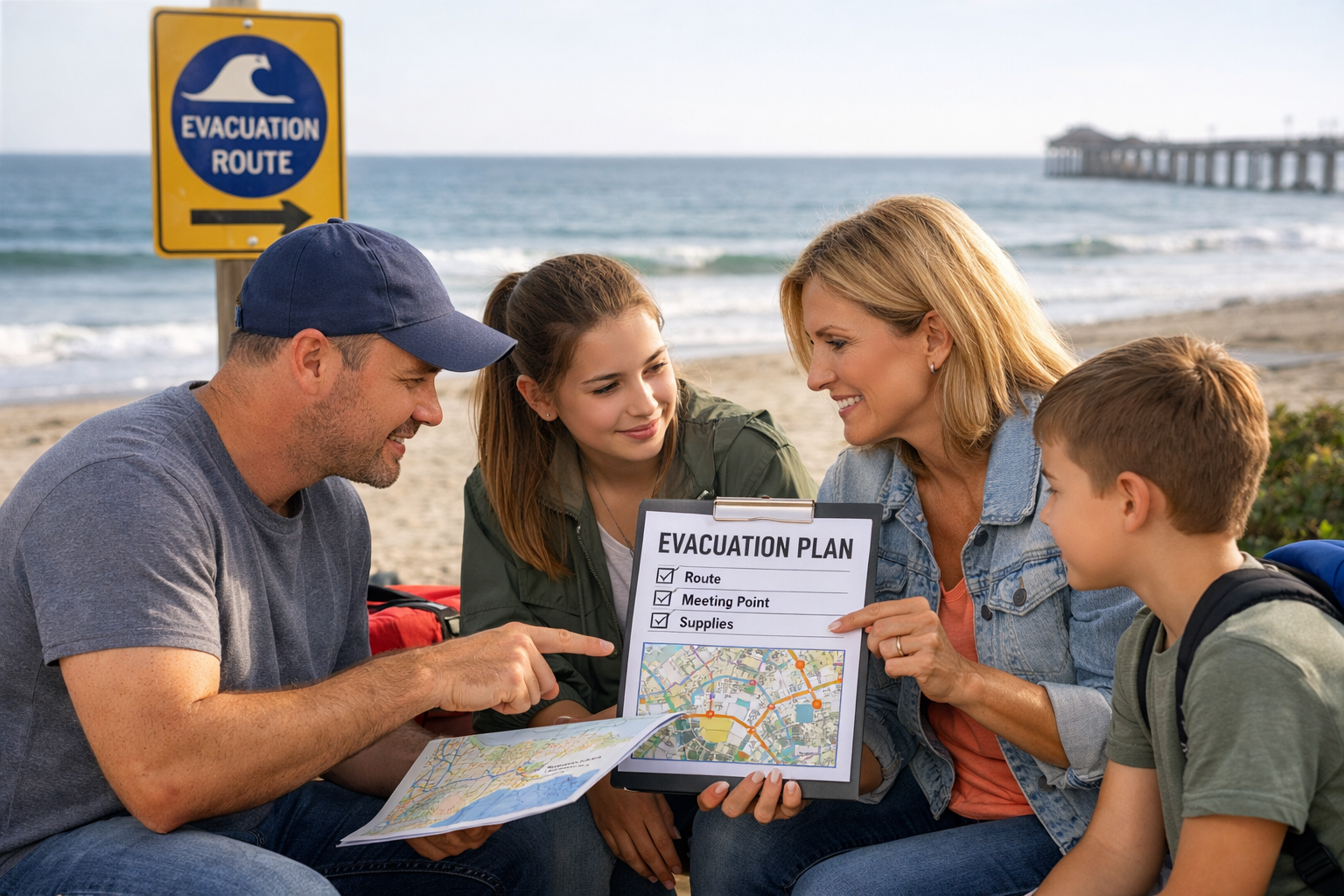
Being aware of your zone helps you prepare evacuation plans, know safe routes, and understand seasonal risks, which can occur in any season depending on the weather.
2. Financial Implications
Flood damage can be costly. Standard renters insurance policies do not cover flood damage. If you rent in an area prone to flooding, consider purchasing flood insurance through the National Flood Insurance Program (NFIP) or private providers. Even renters in lower risk zones can benefit because flooding may happen outside designated zones.
3. Responsibilities and Lease Terms
A lease should clearly outline responsibilities related to flood damage, especially in known flood zones. Questions to ask include:
Who is responsible for replacing belongings damaged by flooding?
What are the landlord’s duties for maintaining flood mitigation infrastructure (such as proper grading or drainage)?
Are there emergency plan requirements, and how will tenants be notified?
Key Questions Renters Should Ask Before Signing
1. Is the Property in a FEMA-Designated Flood Zone?
Ask your prospective landlord or property manager for a flood zone determination letter or check the address yourself using VFRIS or FEMA maps. Knowing the exact designation helps you understand risk levels and insurance implications.
2. Has the Property Ever Flooded?
Past flooding is one of the strongest indicators of future risk, especially in older buildings that have not been updated to meet flood elevation standards. Even if a property is not in a high flood zone, past history can signal vulnerability.
3. What Insurance Policies Are in Place?
Standard renters insurance does not cover flood damage. Ask if the landlord has coverage and what it includes, and strongly consider purchasing a separate flood insurance policy if you are in a flood-prone area. NFIP policies are available to renters and can protect your personal property.
4. What Emergency Protocols Does the Property Have?
Ensure the property has an established emergency plan, including evacuation procedures, communication plans, and safe assembly points in case of flooding.
5. Are Renters Required to Sign a Flood Risk Acknowledgment?
Some landlords include clauses acknowledging that a renter understands risk and waives certain claims. Read these carefully and consult legal advice if unclear.
How to Mitigate Flood Risk as a Renter
Understand Your Zone and Seasonal Patterns
Knowing the flood zone and risk helps you plan for storms and heavy rain seasons. Coastal Virginia’s tidal flooding can occur even without storms during high tides and strong winds.
Purchase Flood Insurance
You can buy flood insurance through the NFIP or private companies. This coverage is separate from standard renters insurance and helps cover your personal belongings.
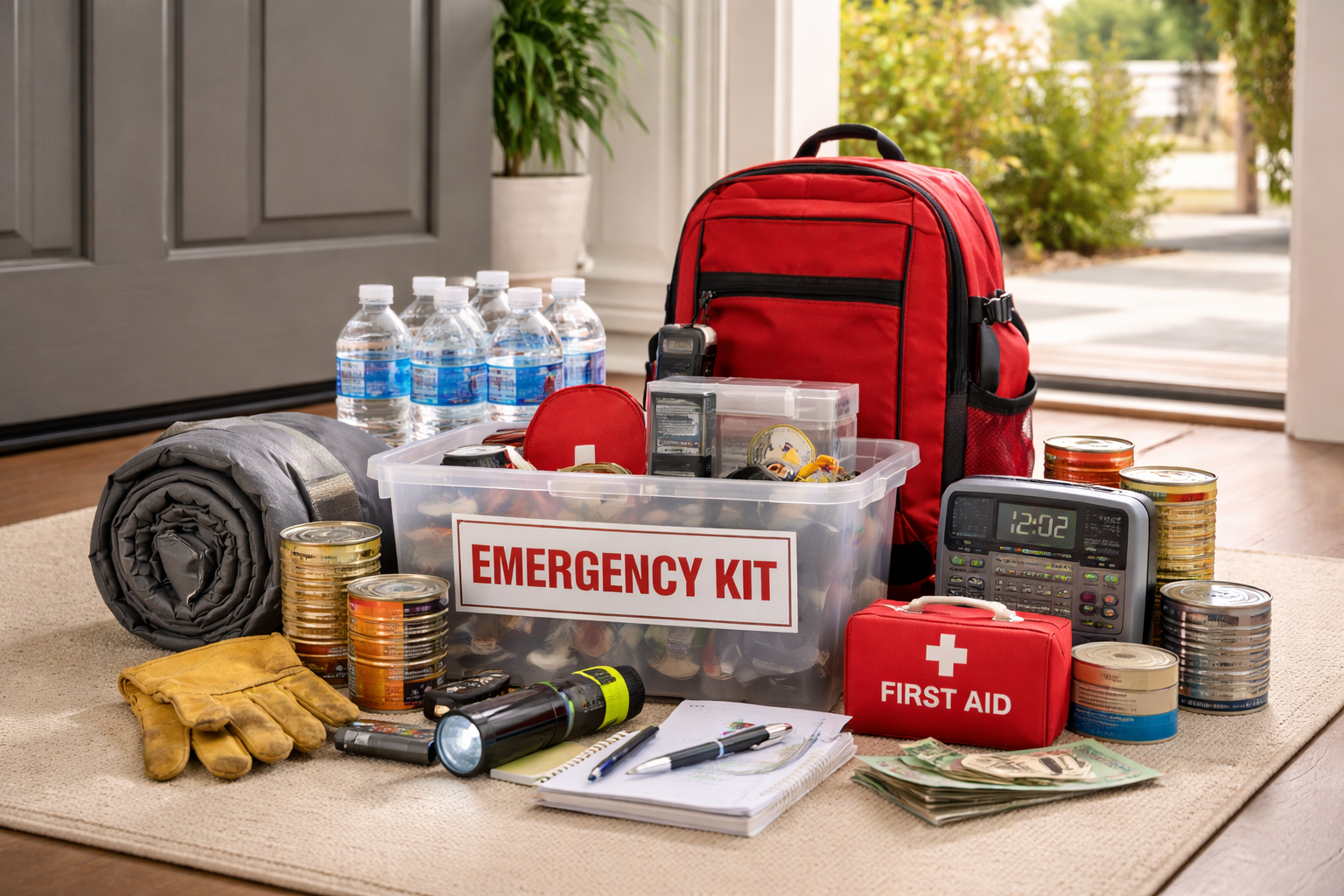
Prepare an Emergency Kit
Include water, non-perishable food, medications, important documents, and a battery-powered radio in case of power loss.
Develop an Evacuation Plan
Know your evacuation routes and have a plan for pets and transport ahead of time.
Keep Documents Safe and Accessible
Keep digital copies of your important documents—including your lease, insurance details, and flood zone information—in a secure location.
Local Perspectives: Examples From Coastal Cities
Norfolk
Norfolk’s flood zone information confirms a range of zone types from low to high flood risk. Higher risk areas require flood insurance and city planning encourages residents to understand and prepare for both coastal and rain-induced flooding.
Virginia Beach
Virginia Beach actively participates in the NFIP and provides floodplain management guidance. The city’s mapping and planning tools help renters identify risk and guide decisions about flooding and insurance.
Final Thoughts
Renters in coastal Virginia face real flood risks due to geography, weather patterns, and sea level changes. Understanding flood zones using FEMA maps and state tools like VFRIS empowers you to make informed choices before signing a lease.
Asking the right questions, reviewing your flood risk, and planning accordingly can protect both your belongings and your peace of mind. Don’t wait until water is at your doorstep—prepare now for a safer renting experience in Virginia’s dynamic coastal communities.