
Key Takeaways
Norfolk, Virginia is one of the most flood-prone cities on the U.S. East Coast due to sea level rise, coastal storms, and low elevation.
Many rental properties in Norfolk fall within FEMA Special Flood Hazard Areas where flood insurance may be required for financed properties.
Flooding risks are increasing due to rising sea levels and more frequent tidal flooding events along the Chesapeake Bay.
Landlords can reduce risk by understanding flood zones, carrying proper insurance, investing in mitigation improvements, and planning emergency procedures for tenants.
Norfolk is investing heavily in resilience infrastructure and flood management, but property owners still play a critical role in protecting rental investments.
Norfolk, Virginia has long been a city shaped by water. Located between the Chesapeake Bay and the Elizabeth River, it offers coastal views, strong rental demand, and proximity to military installations and shipping industries. However, that same waterfront geography also exposes rental properties to increasing flood risks.
For landlords, flooding is no longer just a rare weather event. It has become a critical factor in property planning, insurance costs, maintenance budgets, and tenant safety. Norfolk experiences flooding from several sources including coastal storm surge, heavy rainfall, tidal flooding, and long-term sea level rise.
Understanding how flooding impacts rental properties is essential for anyone investing in real estate in the Hampton Roads region. In this guide, we will explore the causes of flooding in Norfolk, how flood zones affect rental properties, insurance requirements, mitigation strategies, and practical steps landlords should take to protect their investments in 2026 and beyond.
Why Flood Risk Is a Major Issue in Norfolk
A City Surrounded by Water
Norfolk’s geography makes it particularly vulnerable to flooding. The city sits on low-lying coastal land and is bordered by numerous waterways, including the Elizabeth River and the Chesapeake Bay. In total, Norfolk contains more than 200 miles of shoreline.
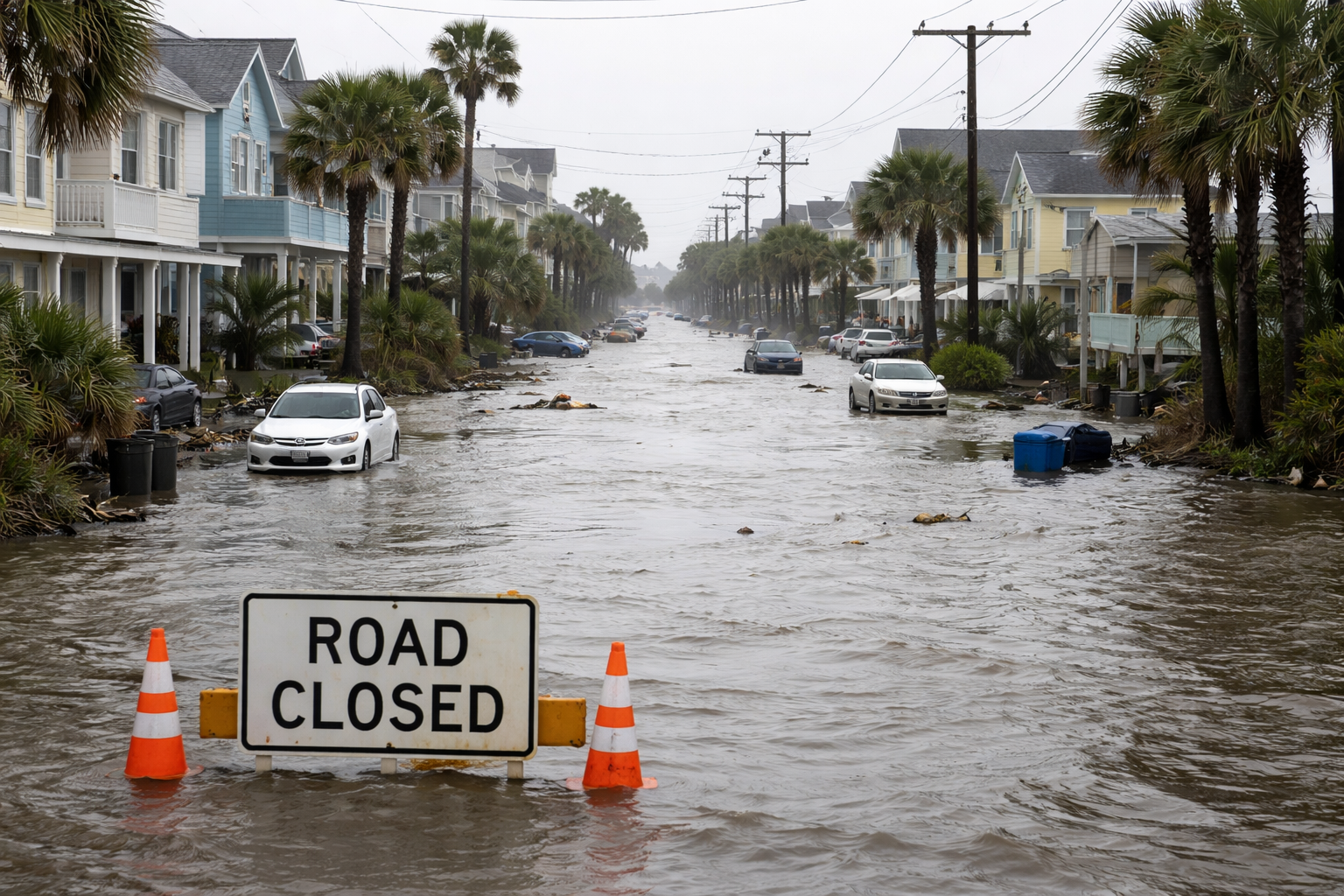
Because of this location, the area can experience flooding during heavy rainstorms, hurricanes, nor’easters, and even high-tide events. According to the City of Norfolk, flooding can occur from precipitation events as well as tidal inundation driven by wind and storm surge.
https://norfolk.gov/4832/Flooding
Unlike inland flooding, coastal flooding can happen even without a major storm. High tides alone can sometimes flood roads and neighborhoods in lower elevations.
Sea Level Rise in Coastal Virginia
Coastal Virginia has some of the fastest rates of sea level rise on the U.S. East Coast. Studies of the Hampton Roads region show sea levels have risen more than a foot over the past several decades, increasing the frequency of nuisance flooding events.
https://www.ucs.org/resources/sea-level-rise-and-tidal-flooding-norfolk-virginia
For landlords, this means flood risk is gradually increasing rather than remaining static. Areas that rarely flooded decades ago may now experience seasonal tidal flooding.
Projected Flood Risk in Norfolk
Modern flood risk modeling shows that some Norfolk neighborhoods face substantial flooding exposure over the next 30 years. For example, parts of downtown Norfolk already show severe long-term flood risk projections due to rising water levels and storm surge potential.
https://firststreet.org/neighborhood/downtown-norfolk-va/10225_fsid/flood/maps
These projections do not necessarily mean properties will flood every year, but they highlight how coastal flooding is becoming a long-term planning issue for real estate investors.
Understanding Flood Zones in Norfolk
What Is a Flood Zone?
Flood zones are geographic areas defined by the Federal Emergency Management Agency (FEMA) that indicate the likelihood of flooding. These zones appear on Flood Insurance Rate Maps, which lenders, insurers, and property owners use to determine risk levels.
The City of Norfolk provides access to FEMA flood maps that show which properties are located within flood-prone areas.
https://norfolk.gov/1949/Flood-Zones
Common Flood Zones in Norfolk
Some of the most common flood zones affecting rental properties in Norfolk include:
Zone AE
High-risk areas with a 1 percent annual chance of flooding, often called the “100-year floodplain.”
Zone VE
Coastal areas exposed to storm surge and wave action, often located near the Chesapeake Bay.
Zone X
Lower risk areas where flooding is possible but statistically less frequent.
Properties in Zones AE and VE are considered Special Flood Hazard Areas (SFHAs). These areas have the highest risk and typically require flood insurance for federally backed mortgages.
Why Flood Zones Matter for Landlords
Flood zones influence several key aspects of owning rental property:
Insurance requirements
Property valuation
Lending requirements
Building code compliance
Renovation restrictions
For example, if a rental property is located within a Special Flood Hazard Area, lenders usually require the owner to maintain flood insurance.
Flood Insurance and Rental Property Owners
The National Flood Insurance Program
Most flood insurance policies in the United States are issued through the National Flood Insurance Program (NFIP), which is administered by FEMA. The program was created to help property owners obtain flood coverage while also encouraging communities to reduce flood risks through land-use regulations.
https://www.floodsmart.gov
NFIP policies are widely used for rental properties located in coastal or flood-prone areas.
Insurance Requirements for Norfolk Rentals
Federal law generally requires flood insurance if:
The property is in a Special Flood Hazard Area
The mortgage is federally regulated or government backed
Even when insurance is not required, landlords may still want coverage. Approximately one quarter of flood insurance claims nationwide come from properties outside high-risk zones.
Local Insurance Discounts
Norfolk participates in FEMA’s Community Rating System (CRS), which rewards cities for implementing flood risk reduction measures. As a result, many local NFIP policyholders receive premium discounts.
Some properties in high-risk flood zones may qualify for discounts of up to 25 percent under this program. (FludZone)
This incentive helps offset some of the costs associated with flood insurance for landlords.
How Flooding Impacts Rental Property Operations
Flood risk affects much more than insurance premiums. It can influence nearly every aspect of managing rental housing.
Property Damage and Repair Costs
Flooding can damage:
Flooring and drywall
Electrical systems
HVAC equipment
Foundations
Appliances and furnishings
Even a few inches of water can cause tens of thousands of dollars in repairs.
Rental owners must also factor in additional cleanup expenses such as mold remediation and debris removal.
Tenant Safety and Liability
Landlords have a responsibility to maintain safe living conditions. If flooding creates hazardous conditions such as contaminated water or electrical hazards, tenants may need to evacuate temporarily.
Having an emergency plan and communicating flood risks clearly to tenants can help reduce liability.
Vacancy and Rental Income Loss
Flood damage may require units to remain vacant during repairs. This can lead to lost rental income while restoration work is completed.
For landlords with multiple properties in coastal areas, flooding can create operational disruptions across an entire portfolio.
How Norfolk Is Addressing Flooding
Resilient Norfolk Infrastructure Projects
The City of Norfolk has launched multiple initiatives aimed at reducing flood risk. These projects include drainage improvements, shoreline protection, and large-scale coastal storm management infrastructure.
City planners are also working with engineers and scientists to analyze flooding patterns and design solutions tailored to different neighborhoods.
https://norfolk.gov/3968/Flooding-Drainage
Coastal Storm Risk Management Program
One of the largest projects underway is the Coastal Storm Risk Management program. This effort includes floodwalls, storm surge barriers, and improved drainage systems designed to protect parts of the city from major storms.
These infrastructure improvements are intended to reduce damage during hurricanes, nor’easters, and extreme rain events.
Community Flood Planning
Norfolk also offers tools that allow residents and property owners to evaluate flood risks for specific addresses and neighborhoods. These interactive maps help landlords make more informed investment decisions.
Mitigation Strategies for Rental Property Owners
Even with city-wide infrastructure improvements, individual property owners should take proactive steps to reduce flood risks.
Elevating Mechanical Systems
Water heaters, electrical panels, HVAC units, and other mechanical systems should be elevated above expected flood levels when possible.
This simple improvement can significantly reduce repair costs after flooding.
Installing Flood Vents
Flood vents allow water to flow through foundation walls instead of building pressure against them. This reduces structural damage during flood events.
Improving Drainage
Landlords can improve property drainage by:
Installing French drains
Regrading landscaping
Maintaining gutters and downspouts
Adding permeable surfaces
These measures help redirect water away from buildings.
Using Flood-Resistant Materials
In flood-prone areas, consider using materials that tolerate moisture exposure such as:
Tile flooring
Pressure-treated lumber
Closed-cell insulation
These materials can make post-flood repairs faster and less expensive.
Planning for Future Flood Risk
Using Flood Prediction Tools
Several tools allow property owners to analyze potential future flooding. For example, the Virginia Institute of Marine Science provides interactive tools that model sea level rise and projected flooding scenarios across coastal Virginia.
https://www.vims.edu/ccrm/topics/flooding/future-flooding/
These tools allow landlords to explore how flooding patterns may change over time.
Evaluating Long-Term Investment Risk
When buying rental property in Norfolk, investors should consider:
Flood zone location
Elevation relative to nearby water
Historical flooding patterns
Insurance costs
Local resilience projects
Flood risk does not necessarily mean a property is a bad investment, but it should be carefully factored into financial planning.
Communicating With Tenants
Tenants should understand flood risks and evacuation procedures before a storm arrives. Providing tenants with basic emergency information can reduce confusion during severe weather events.
Landlords may want to provide guidance about:
Evacuation zones
Emergency contact numbers
Flood safety procedures
Renter’s insurance recommendations
Final Thoughts
Flood risk is now an essential part of real estate ownership in coastal Virginia. Landlords who proactively address flood risk are more likely to protect both their investments and their tenants.
Key steps include:
Reviewing FEMA flood maps before purchasing property
Carrying appropriate flood insurance coverage
Investing in flood mitigation improvements
Monitoring local resilience infrastructure projects
Preparing tenants for emergency situations
While flooding cannot be completely eliminated, thoughtful planning can significantly reduce financial losses and operational disruptions.
Norfolk continues to invest in resilience and flood protection, and these efforts may improve long-term property stability across many neighborhoods. However, individual property owners still play a critical role in managing risk.
For landlords, understanding flood exposure and planning ahead is no longer optional. It is a fundamental part of owning rental property in coastal Virginia.