
Key takeaways
Home prices in Coastal Virginia including the Hampton Roads area have risen in 2025, with the median home price in the region around $345,000. (Virginia REALTORS®)
The rental market remains strong, but many renters are “cost burdened,” spending a high share of their income on housing which may limit long-term wealth building. (Virginia Housing Alliance)
Monthly costs to buy in Coastal Virginia are often higher than rent, but buying builds equity long-term value depends on how long you stay in the home.
High demand and low inventory in many coastal markets (e.g. Virginia Beach) mean competition among buyers remains strong even in 2025. (vhc.virginia.gov)
Making the transition successfully requires careful financial planning: saving for a down payment, understanding all costs, and evaluating personal readiness for long-term commitment.
For many renters in Coastal Virginia, the idea of owning a home feels like a distant dream especially as rents rise and home prices keep climbing. But 2025 presents a unique moment: while challenges remain, there are still opportunities to shift from renting to owning. For tenants thinking about that transition, understanding current market dynamics, financial requirements, and practical steps can make the difference between feeling stuck and making a strategic move. This guide is tailored to renters in Coastal Virginia particularly in the Hampton Roads region and walks you through what you need to know to make a smart, informed transition from renting to buying.
The Coastal Virginia Housing Landscape in 2025
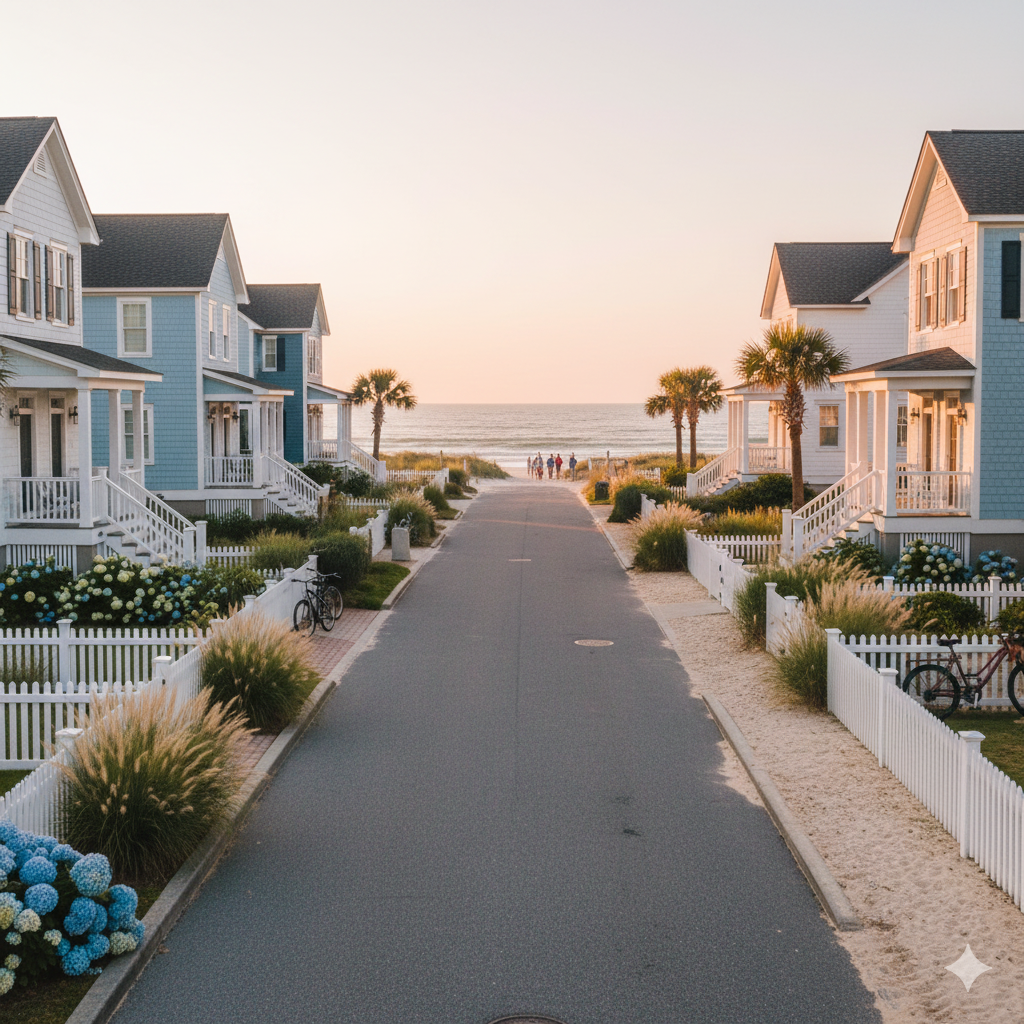
Current market snapshot
According to a 2025 market analysis, the median home price in the Hampton Roads region has risen to $345,000 up about $16,000 compared to 2024.
In the city of Virginia Beach, homes are selling quickly: recent data indicates a median sale price around $405,000, which marks a roughly 6.9% year-over-year increase.
At the same time, housing supply remains tight across Virginia. As of mid-2025 the statewide “months of supply” a measure of how long it would take to sell current inventory was only about 2.7 months, indicating a seller’s market.
What this means for renters
For renters, tight supply can translate to rising rents, fewer available units, and increased competition for leases. The imbalance between supply and demand is contributing to cost pressure across the board. (Virginia Housing Alliance)
Meanwhile, for prospective homebuyers, the limited supply means competition, faster sales cycles, and often needing to act quickly when a listing becomes available.
Rent vs. Buy: Costs, Tradeoffs, and Long-Term Considerations
The financial numbers
When deciding whether to rent or buy, it helps to compare monthly costs but that’s only part of the picture.
A recent 2025 analysis for Hampton Roads shows that the average monthly payment to buy a typical $400,000 home (using a VA loan at an assumed rate) is roughly $2,550 slightly above typical rents in the region. (myanchormortgage.com)
Rent may cost less upfront, but buying builds equity and long-term value. Renting yields no equity. As the 2025 comparison puts it: “buying is slightly higher monthly but the total cost is dramatically different.”
On the flip side, statewide data shows many renters are “cost burdened,” meaning they spend more than 30% of their income on housing, and in some cases more than 50%. (Habitat for Humanity)
Pros and cons of each option
Renting — Pros:
Lower up-front costs, no down payment, no property taxes, and less responsibility for maintenance.
Flexibility to move, rent different types of properties, or change neighborhoods without selling.
Suitable for people who may relocate for work, are not ready for long-term commitment, or want to wait for greater financial stability.
Renting — Cons:
No equity building or long-term investment.
Rent increases over time; in high-demand areas (like coastal cities), rent inflation can outpace wage growth.
Limited control over the property and restrictions (e.g. on modifications, pets).
Buying — Pros:
Ability to build equity and long-term wealth through property appreciation or paying down mortgage.
Predictable monthly housing payments (for fixed-rate mortgages), protection against rent inflation, and more control over your space.
Long-term stability, ideal for those planning to stay 5–7+ years or more.
Buying — Cons:
Higher up-front costs (down payment, closing costs, property taxes, homeowner insurance, maintenance).
Greater financial responsibility and fewer options for flexibility.
Market risk property values can fluctuate, and in high-demand coastal areas, competition can be steep.
Key Challenges in Coastal Virginia What Renters Should Know

Affordability and cost burden
Statewide data from 2025 show a significant portion of households are “cost burdened,” meaning they spend a large share of their income on housing. For renters especially, this can limit savings and ability to build toward a down payment.
Further, because home values have been rising and supply remains tight, many starter homes or entry-level properties are becoming less available which squeezes aspiring first-time buyers.
Rising home prices and competition
In Coastal Virginia, including Virginia Beach and Hampton Roads, increasingly competitive demand has driven up home values.
Low inventory compounds this issue with only a few months’ worth of supply on the market, buyers often compete against multiple offers and must act quickly when a property becomes available.
Upfront costs and long-term commitment
Buying a home requires significant upfront money: down payment, closing costs, inspections, potential repairs. For many renters, accumulating that amount while managing rent and cost-of-living can be challenging. Some households may qualify for a mortgage payment but lack savings for the upfront costs. (Virginia General Assembly)
Additionally, success depends on committing to living in the home long enough for the investment to pay off. Short stays or mobility (for jobs, lifestyle, etc.) may make homeownership less advantageous.
Preparing to Buy: A Step-by-Step Transition Plan for Renters
If you’re renting now in Coastal Virginia and seriously considering buying here is a suggested roadmap to help you transition successfully.
Assess your financial readiness
Review your monthly budget: Compare what you pay now in rent plus savings vs. what you could pay in mortgage, taxes, insurance, maintenance.
Start saving for down payment and closing costs. Even modest homes may require several thousands of dollars upfront.
Check your credit score and debt-to-income ratio. Strong credit makes mortgage approval easier.
Factor in other expenses: homeowner insurance, property taxes, maintenance, HOA fees if applicable.
Set goals short-term vs long-term
Decide how long you plan to stay in the area. Buying tends to pay off over 5–7+ years, especially when building equity.
Determine what kind of home fits your needs now and in the future (size, location, proximity to work/schools, commute).
Evaluate flexibility vs. stability: buying trades flexibility for long-term stability and investment in your future.
Research the local housing market carefully
Focus on areas in Coastal Virginia (e.g. Hampton Roads, Virginia Beach, nearby towns) where home values align with your budget. In 2025, median home values in Hampton Roads are ~$345,000.
Pay attention to market conditions low inventory, rising demand, and fast-moving sales. Be ready to act quickly when a good property appears.
Work with a reputable real estate agent who knows the local market and can advise on when to buy vs rent.
Understand financing and loan options
Investigate loan programs that benefit first-time buyers or certain professions (e.g. veterans). For example, a VA loan may offer favorable terms.
Pre-qualify or pre-approve for a mortgage to understand how much house you can afford.
Factor in all monthly costs not just mortgage payment to avoid surprises.
Make a plan for savings, contingency, and maintenance
Build an emergency fund to cover maintenance, repairs, property taxes, and unexpected costs.
Budget realistically owning a home means ongoing costs beyond the mortgage: maintenance, insurance, possible HOA fees.
Think long-term: homeownership can build wealth and stability, but only if managed responsibly.
When Buying Might (or Might Not) Make Sense for You
It might make sense when:
You have stable income, decent savings, and good credit.
You plan to stay in Coastal Virginia for many years.
You’re ready for the responsibilities of homeownership maintenance, taxes, long-term investment.
You value equity building, long-term stability, and see home as both shelter and investment.
It might not make sense when:
Your savings are limited and down payment/closing costs would strain your finances.
You expect to move within a few years (job changes, lifestyle changes, uncertainty).
You prefer flexibility or are unsure about long-term plans.
The local market is too competitive or overpriced relative to your budget.
Tips for Renters in Coastal Virginia Considering Ownership
Keep renting while you build savings and improve financial readiness. Being “cost burdened” as a renter may actually justify prioritizing savings over buying.
Monitor the local housing market. Right now, Coastal Virginia continues to see rising prices and tight supply.
Work with a knowledgeable local real estate professional who understands neighborhoods, property values, and the quirks of the Coastal Virginia market especially in areas like the Hampton Roads region.
Create a realistic budget that includes all homeownership costs (mortgage, insurance, taxes, maintenance) not just the sticker price.
Be patient and deliberate. The transition from renting to buying is a major financial and lifestyle decision rushing into it may backfire if you’re not financially ready.
Final Thoughts
Transitioning from renting to buying in Coastal Virginia in 2025 is both challenging and possible. With rising home prices and tight inventory, the market is competitive but for renters who prepare carefully, it's an opportunity to build long-term stability and equity.
If you are financially ready, understand the commitments, and envision staying for the foreseeable future, taking steps toward purchasing a home now could pay dividends in stability, control, and wealth building. If not, continuing to rent while you save and plan may be the smarter move.
At Abrams Realty, we understand the Coastal Virginia market deeply from rental dynamics to home sales trends. If you’re considering making the move from renting to buying, we can help you chart a path that fits your budget, timeline, and long-term goals.