
.jpg)
Key Takeaways
Vacancy rates in the region remain relatively low the multifamily vacancy rate in Hampton Roads dropped to about 5.8% in Q2 2025, signaling stable demand.
Rents continue trending upward: average asking rents reached roughly $1,644/month in mid-2025, marking a ~2.8% year-over-year increase.
New multifamily construction has slowed significantly across Virginia, tightening future supply, which may support further rent increases or at least sustain current levels. (Virginia REALTORS®)
Demand is supported by structural factors: high single-family home costs, elevated mortgage rates, a strong military presence, university students, and port-related employment all contributing to continued rental demand in Hampton Roads.
Affordable-housing shortage remains acute statewide. Many lower-income households remain severely cost burdened, indicating long-term rental demand especially for affordable or mid-range units will likely persist. (Virginia Housing Alliance)
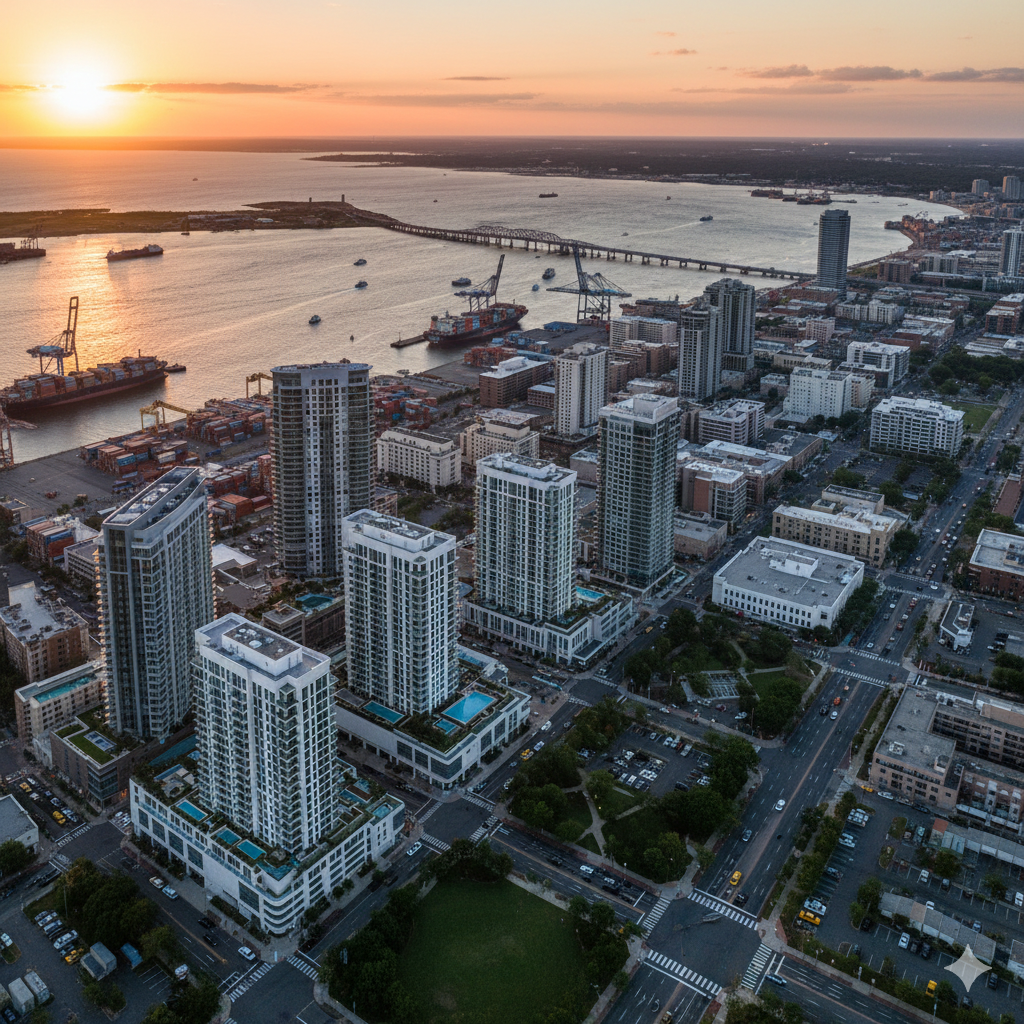
As a landlord operating in Hampton Roads whether in Virginia Beach, Norfolk, Chesapeake, Portsmouth, Suffolk, Newport News, or surrounding communities understanding current and upcoming trends in the rental market is crucial for making strategic decisions. The rental environment in 2025 is shaped by a confluence of supply constraints, demand drivers, and broader economic pressures. While the recent years saw a surge in multifamily construction to meet growing demand, 2025 appears to mark a transition: new supply is slowing, demand remains firm, and rents continue to rise, albeit at a more moderate pace. This blog dives into what the data says about the 2025 market, what landlords should expect going forward, and how to position properties and leasing strategies accordingly.
The State of the Rental Market in Virginia (Context for Hampton Roads)
Slowing Construction, Stabilizing Supply
According to the Q2 2025 report from Virginia REALTORS®, the pipeline of new multifamily units is shrinking. The number of multifamily units under construction dropped notably, with 21,854 units underway in Q2 almost 20 percent lower than the same time last year. Deliveries of new units also slowed, with only 2,024 delivered during the quarter roughly half of last year’s number.
This follows a broader statewide trend. In Q1 2025 there were 22,628 multifamily units under construction, and new deliveries had already tapered off.
With fewer new units coming online, the growth in rental inventory will likely flatten out. For landlords, this trend is important: reduced competition from new builds may help maintain occupancy and give more pricing power.
Statewide Vacancy and Rent Dynamics
As of Q1 2025, the average effective rent per unit across Virginia reached $1,802 a 3.4 percent increase year-over-year. Although vacancy rates are still elevated statewide (multifamily vacancy was 6.6 percent in Q1 2025) the highest since 2015 according to the Q4 2024 report the slowdown in new units provides reason to believe vacancy rates may stabilize or even decline.
Interestingly, while some markets in Virginia are experiencing rent growth modestly, other areas particularly smaller or less competitive metros see more pronounced increases.
What’s Happening in Hampton Roads (2025 Snapshot)
Healthy Demand, Tightening Vacancy
For Hampton Roads specifically, the picture in 2025 looks strong. According to a September 2025 report, during the first half of the year net absorption outpaced new deliveries by about 300 units meaning demand exceeded supply. As a result, vacancy rates fell to around 5.8 percent in Q2 2025, a modest drop from earlier quarters.
Several region-specific factors support this robust demand:
A significant military presence brings stable renters and reduces volatility.
Student populations and port-related jobs support demand for rental housing year-round.
High costs and interest rates for homeownership especially single-family homes make renting more attractive for many candidates who might otherwise buy. (Virginia Business)
Rising Rents and Lower Concessions
In line with strong demand, average asking rents in Hampton Roads climbed to about $1,644/month in mid-2025 a 2.8 percent increase from the previous year.
Additionally, statewide reports indicate that landlords are less frequently offering concessions such as temporary rent reductions or waived fees that had helped attract tenants during earlier phases of oversupply. In several metro areas including Hampton Roads, concessions have decreased compared with prior years.
That suggests that landlords who maintained or improved their properties without needing incentives may now be in a stronger position to command higher rents.
Broader Economic & Demographic Drivers
Homeownership Costs Keep Many Renters in the Market
Across Virginia, many renters and lower-income households face significant cost burdens. According to the 2025 report by Virginia Housing Alliance, approximately one in three Virginia households are cost burdened meaning they spend more than 30 percent of their income on housing. (Virginia Housing Alliance)
Meanwhile, the inventory of affordable rental homes remains insufficient to meet demand, especially for low- and moderate-income earners. For many households, renting remains the only financially viable option.
That structural reality bodes well for landlords holding affordable-to-midrange rental units: demand is unlikely to disappear anytime soon.
Market Cooling But Demand Pressures Persist
Some parts of Virginia especially in larger, more competitive metros are showing signs of market cooling. For example, absorption statewide is projected to drop: published estimates forecast about 9,823 units will be absorbed by the end of 2025, down from 13,078 units in 2024.
This slowdown is driven by weakened employment growth, reduced migration, and fewer new households forming, according to industry analysts.
However, in Hampton Roads these general statewide pressures appear to be tempered by local demand drivers: military personnel, port-related employment, students, and continued high home-ownership barriers. That may insulate the region from the full effects of statewide softening.
What This Means for Landlords in Hampton Roads Strategic Implications
Reduced Competition from New Construction Take Advantage
With fewer new multifamily units coming online, especially in 2025 and possibly beyond, existing landlords may face less pressure from new supply. That creates an opportunity to maintain or raise rents without risking a wave of competition.
If you manage older or garden-style apartments, this could be a good time to evaluate rent increases or rent-restructuring, particularly if you’ve kept maintenance and amenities up to par.
Rent Upward But Be Mindful of Tenant Affordability
Rents are rising, but a significant portion of renters in Virginia remain cost burdened. Overly aggressive rent increases may lead to turnover, longer vacancy periods, or tenant hardship.
Smart strategy: consider moderate increases, coupled with value-adds like maintenance plans, flexible lease terms (for soldiers or transient workers), or amenity upgrades. This balances profitability with tenant retention.
Focus on Stability Military, Students, Port Workers
Given that much of Hampton Roads’ rental demand comes from relatively stable tenant pools (military personnel, students, port-related workers), landlords should tailor marketing and lease terms to these groups.
For example: offer lease durations that match military or academic calendars, highlight proximity to bases, campuses, or port-employment zones, and perhaps offer furnished or semi-furnished units for transient occupants.
Consider Affordable / Mid-Range Units as Long-Term Value
Because many renters particularly lower- and moderate-income households are cost burdened and face a shortage of affordable units, there remains demand for well-priced, affordable rentals.
For landlords with smaller units or older buildings, keeping rents mid-range and marketing toward affordability could result in stable long-term occupancy and lower turnover.
Get Ahead of Possible Economic Headwinds
While local demand remains relatively strong, statewide economic forecasts point to slower absorption overall due to weaker employment growth and reduced migration.
Landlords should prepare for the possibility of softer demand by ensuring properties are well-maintained, diversifying their tenant base (military, students, families, workers), and being strategic with lease renewals and rent adjustments.
Actionable Recommendations for Landlords (Especially for Firms like Abrams Realty)
Conduct a rent-benchmark analysis: Compare your current rents to average asking rents in Hampton Roads. If you are below or at market, consider moderate increases to match rising market rates.
Segment your rental offerings: Have a mix of affordable/midrange units and higher-end units to appeal to different tenant demographics from cost-conscious renters to professionals.
Optimize lease terms for tenant types: Offer 9- to 12-month leases for students or military personnel, and flexible renewals this aligns with demand cycles and reduces vacancy risk.
Emphasize value-add amenities and services: Given rising rents and reduced concessions, quality maintenance, responsive management, and added perks (e.g., utilities concierge, filter delivery like what Abrams Realty offers) become differentiators.
Monitor local economic and job market conditions: Keep an eye on employment trends, port activity, military staffing levels, and migration to anticipate shifts in demand.
Risks and Challenges Ahead
Even with favorable current conditions, landlords should be mindful of potential headwinds:
Economic uncertainty may dampen demand. Slower job growth and reduced migration could affect occupancy in the medium term.
Affordability pressure: As rents rise, some renters may be stretched thin; this could lead to higher turnover or demand for smaller/cheaper units.
Competition from alternative housing types: Single-family rentals (SFR), condominiums, and other options may attract tenants seeking different living arrangements a trend amplified if mortgage rates or home prices ease.
Regulatory and housing-policy shifts: Virginia and local municipalities may respond to affordability concerns with policies that impact landlords (e.g. rent control proposals, tenant protection regulations).
Final Thoughts
For landlords in Hampton Roads in 2025, the market presents a cautiously optimistic landscape. With slowing new supply, stable to rising demand, and upward rent trends especially given continued affordability challenges for many renters conditions are generally landlord-friendly. However, a strategic and nuanced approach is critical: balancing rent increases with tenant affordability, tailoring offerings to key tenant segments (military, students, workers), and ensuring good property management morale will be key to sustaining occupancy and profitability.
For firms like Abrams Realty which already offer robust services (tenant screening, maintenance, owner/tenant portals, etc.) 2025 could be a great time to capitalize on the market dynamics. By leveraging your experience, service-first philosophy, and local knowledge, you can position your properties as among the most attractive in Hampton Roads.